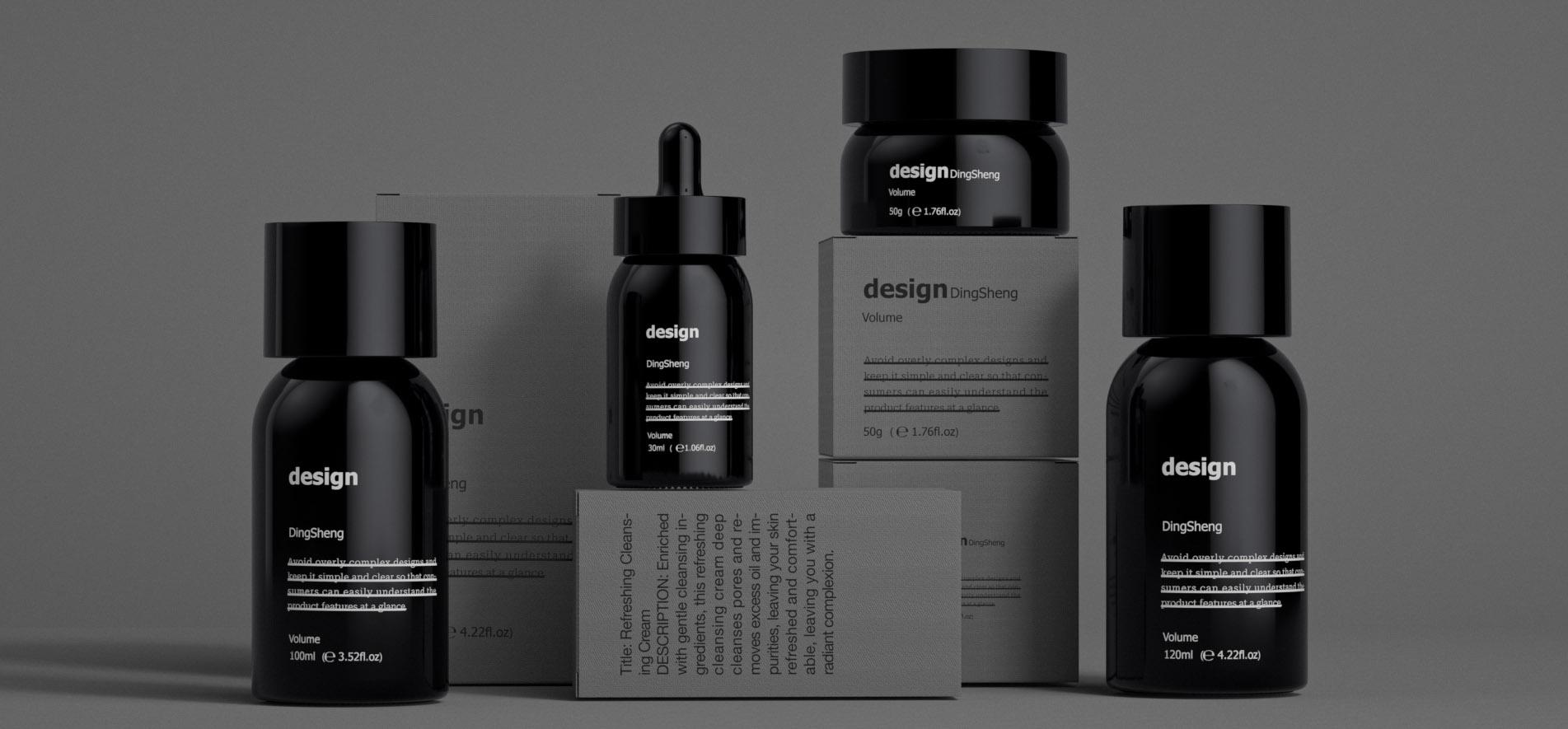
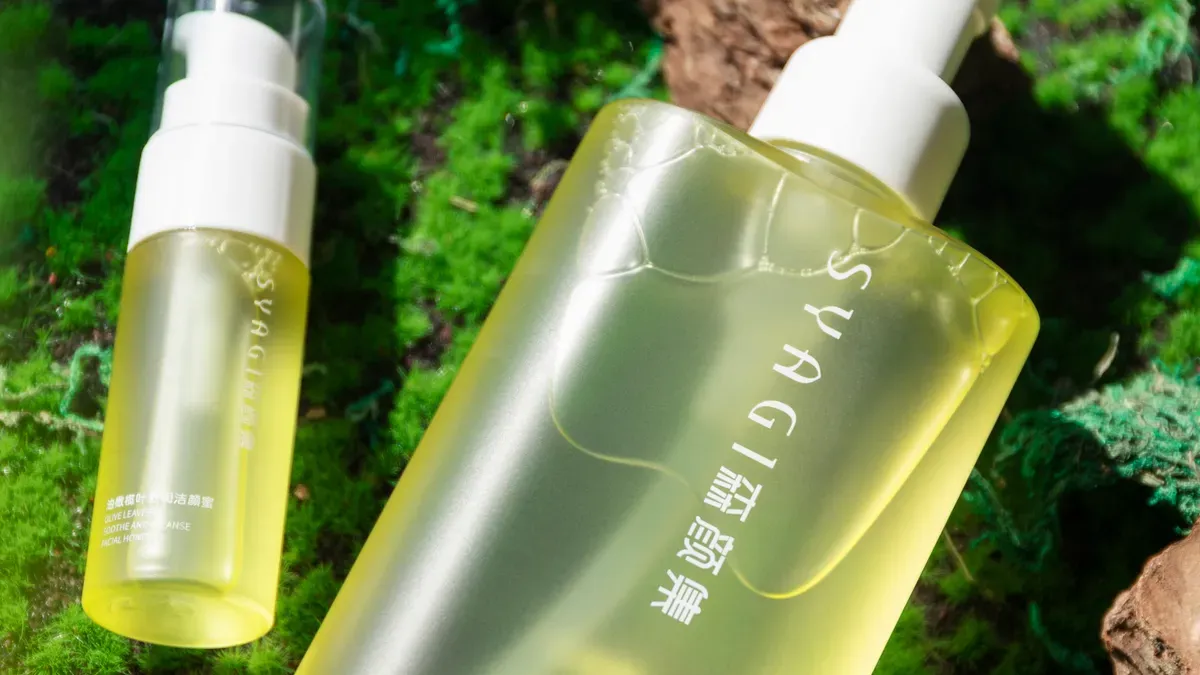
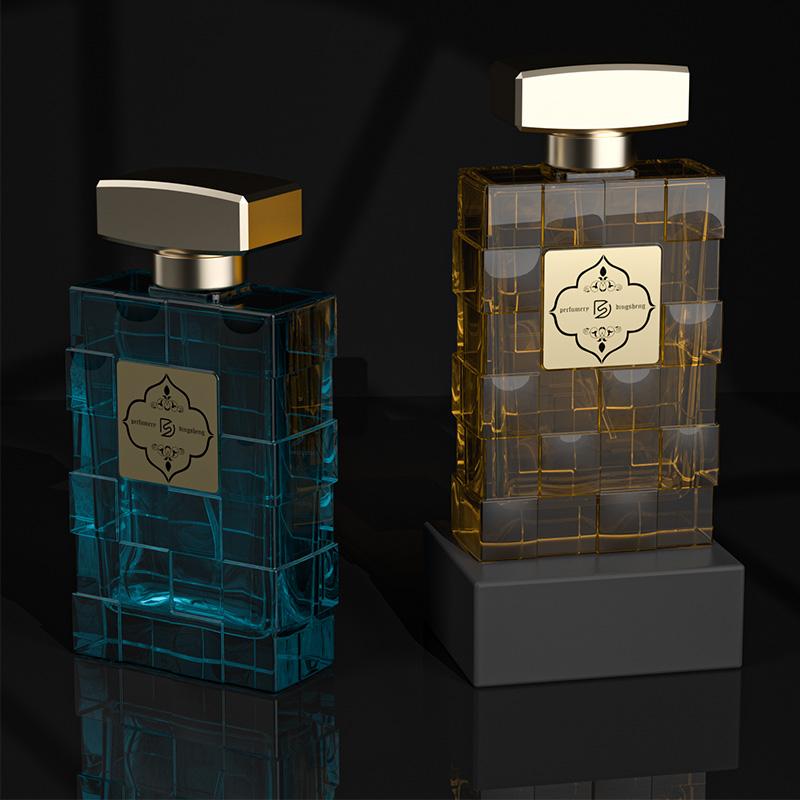
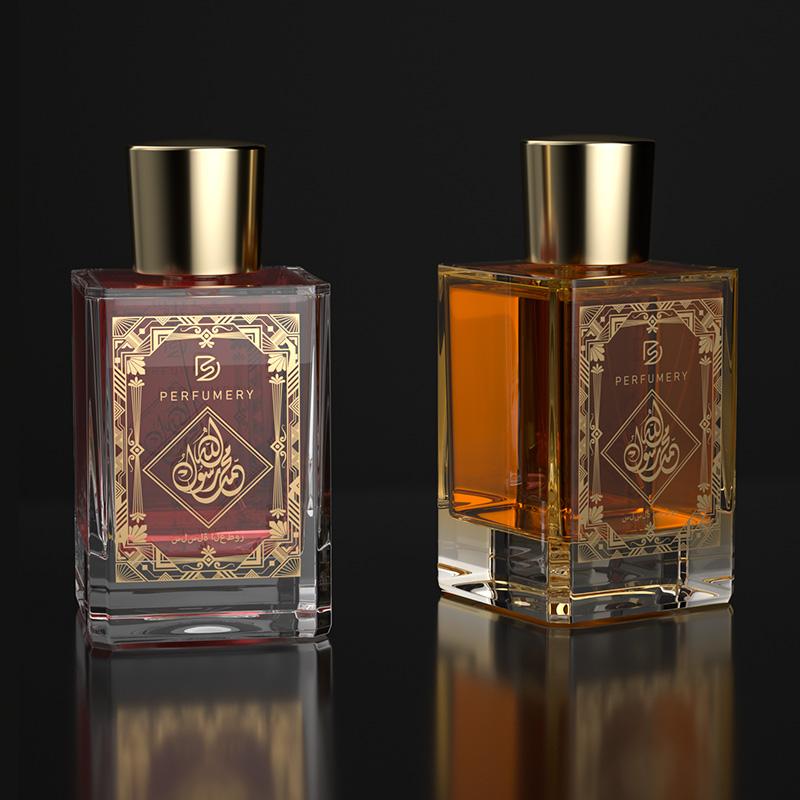
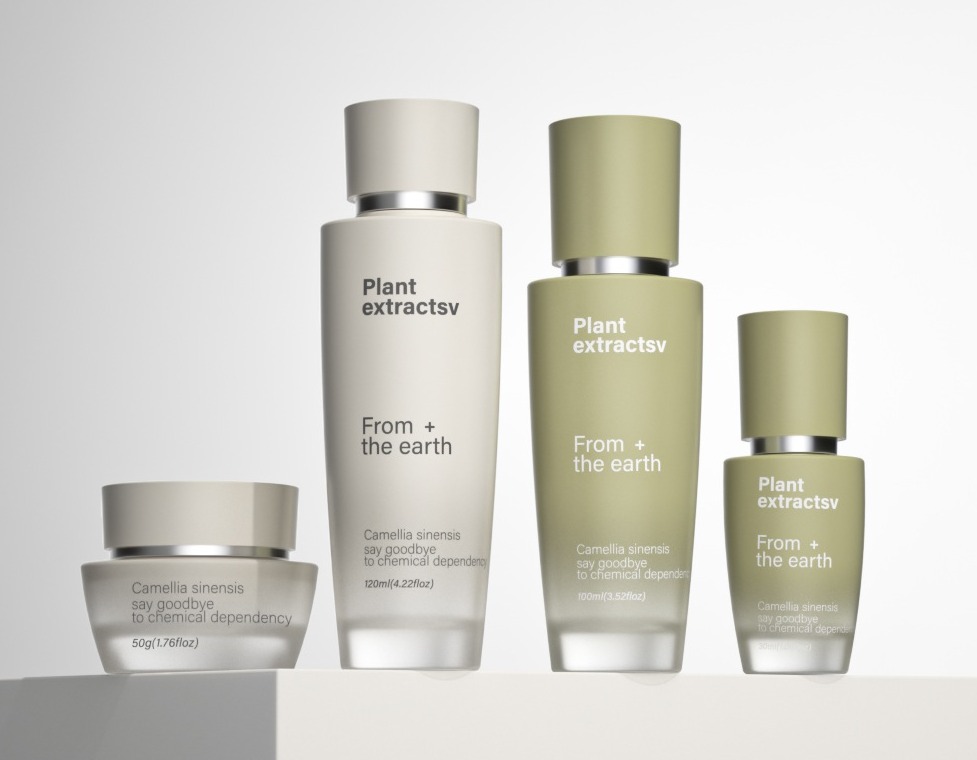
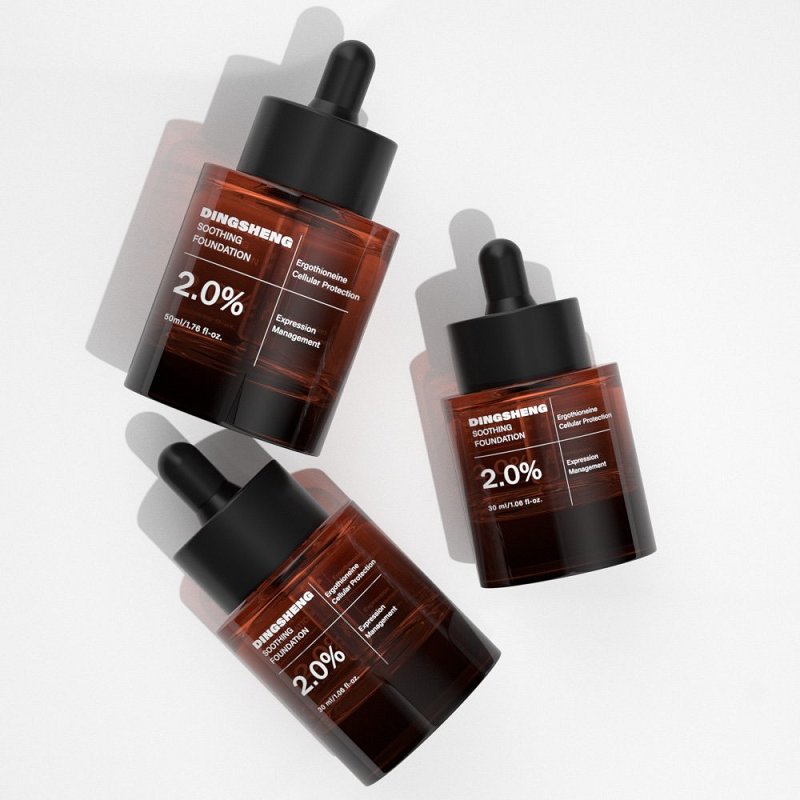
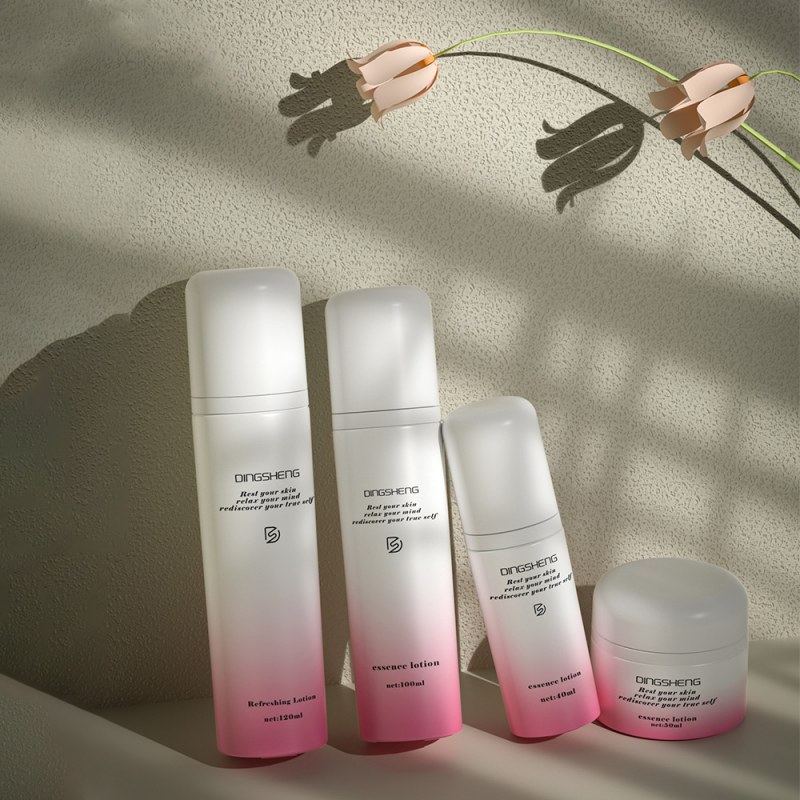
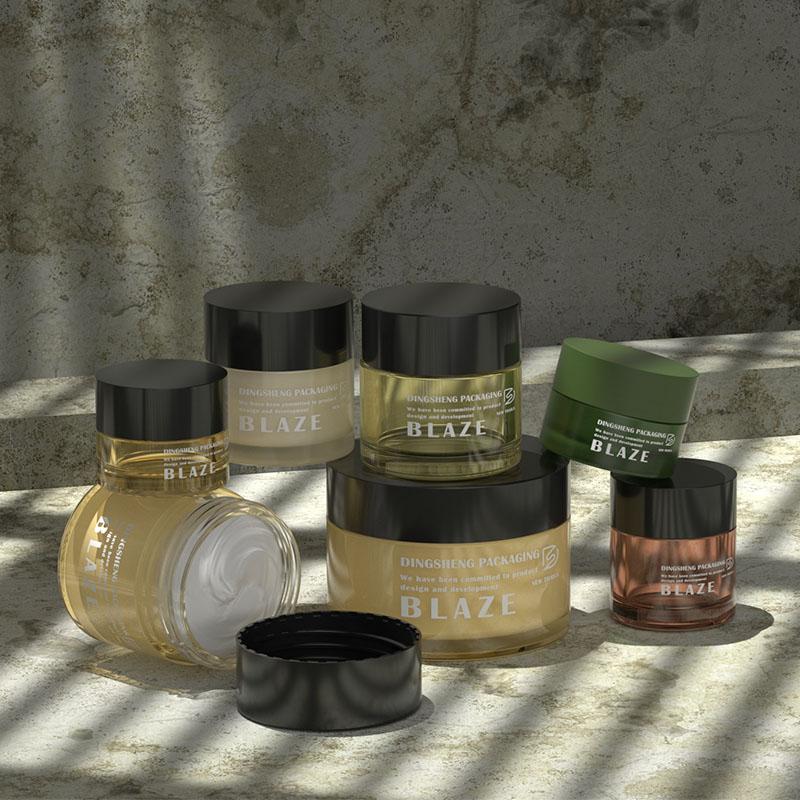
Thick Bottom Dropper Bottle

Knowledge

Home

Knowledge

  • The Aesthetic of Weight: Why Thick-Bottom Glass Elevates Skincare Brand Identity?
    The Aesthetic of Weight: Why Thick-Bottom Glass Elevates Skincare Brand Identity? Apr 24, 2026
    Pick up a $200 high-end serum and a $15 drugstore alternative. Before you read the label, before you check the ingredients, your brain has already made a judgment about their respective values. The primary trigger for this instant valuation isn't the graphic design—it is the physical weight of the container.   In the competitive beauty market, tactile experience dictates brand positioning. For brand founders and product developers sourcing Custom Cosmetic Glass Bottles, the structural design of the base is an easily overlooked detail that significantly impacts consumer perception. Specifically, the thick-bottom design (often referred to in the industry as a heavy-base or high-glass-weight base) serves as a silent, immediate communicator of premium quality.   Let's break down the physical, psychological, and manufacturing dynamics behind thick-bottom glass packaging and why it matters for your next product launch. The Haptic Psychology of Heavy Glass Haptic perception—how we understand objects through touch—plays a fundamental role in consumer psychology. Multiple retail studies demonstrate a direct correlation between the physical weight of a product and its perceived monetary value.   When a consumer holds a heavy glass bottle, their brain subconsciously registers terms like substance, permanence, and quality. A lightweight plastic or thin-walled glass bottle, conversely, triggers associations with cost-cutting and mass production.   This is an optical and tactile illusion working in tandem. The external footprint of a 30ml heavy-base bottle is notably larger than a standard 30ml bottle. It takes up more real estate on the vanity, feels substantial in the palm, and physically grounds the product.   Data Breakdown: Consumer Perception by Packaging Weight Based on industry haptic feedback testing for 30ml capacity containers. Container Type Average Empty Weight Base Glass Thickness Consumer "Premium" Rating (Out of 10) Expected Price Point Standard PET Plastic 12g - 18g N/A 3.5 Entry-level Standard Thin-Wall Glass 45g - 55g 2mm - 4mm 6.0 Mid-tier Heavy-Base Glass 85g - 120g+ 10mm - 25mm 9.2 Luxury / Prestige Notice how a seemingly small increase in base thickness doubles the empty weight of the container, driving a disproportionate increase in the consumer's perceived value.   Optical Refraction and the "Prism Effect" Beyond weight, thick-bottom glass physically alters how your skincare formula looks. Glass has a high refractive index. When a thick base is introduced, it acts as a subtle prism.   Light entering the bottle travels through the formula and then through the dense glass bottom. This creates a magnification effect. If your product is a lightly tinted oil, a suspended gel, or contains active beads, a heavy glass base catches retail lighting and bounces it back through the product. It gives the liquid a luminous, suspended appearance that thin-walled bottles simply cannot replicate.   This optical advantage is a primary reason why high-end Thick-Bottom Glass Dropper Bottles are the industry standard for premium vitamin C serums, face oils, and liquid highlighters. The base creates a visual separation between the surface the bottle sits on and the liquid itself, framing the formula like a piece of jewelry.   Manufacturing Realities: The Cost of "Heft" Understanding the physical benefits is only half the equation. Brand owners must also understand why this packaging commands a higher unit price from manufacturers. It is not merely the cost of raw silica and soda ash; the cost lies in the complex physics of the glass molding process.   The Annealing Challenge Glass bottles are formed by dropping a "gob" of molten glass into a mold and blowing it into shape. When you design a bottle with a 15mm thick solid glass base and 3mm thin side walls, you create a massive temperature disparity during the cooling phase. Uneven Cooling: The thin side walls lose heat rapidly. The thick, solid mass of glass at the bottom retains heat for a much longer period. Thermal Stress: If the bottle cools at this uneven rate without intervention, the physical stress between the shrinking cool walls and the expanding hot base will cause the glass to shatter. Extended Annealing: To prevent breakage, heavy-base bottles must travel through the annealing lehr (the cooling oven) at a significantly slower speed than standard bottles. The temperature must be reduced gradually so the thick base and thin walls cool uniformly.   This extended time on the manufacturing line reduces the total daily output of the factory, which directly translates to a higher cost per unit for the brand.   Production Line Stability Profile Metric Standard Glass Bottle Thick-Bottom Glass Bottle Center of Gravity Mid-to-high Extremely low Tipping Risk on Filling Line Moderate (requires pucks) Very low (highly stable) Material Distribution Even Asymmetrical (bottom-heavy) Cooling Cycle Time Fast Slow (Extended Annealing) This lower center of gravity is an operational asset. If you are running high-speed filling lines, bottles with a heavy base are far less likely to tip over on conveyor belts, reducing product waste and line downtime.   Strategic Application for Brand Owners While a thick glass base is a powerful tool for elevating a product, it requires strategic application. Upgrading to Wholesale Luxury Skincare Glass Packaging impacts your entire supply chain, from freight to secondary boxes. When to specify a thick-bottom design: Hero Products: Apply this to your flagship serums, luxury face oils, and high-margin nighttime treatments. The tactile weight justifies a premium retail price. Visual Formulas: Use it when your formulation has a distinct color, clarity, or suspension that will benefit from the light-refracting properties of dense glass. Shelf Presence: When you need a 30ml product to physically stand taller and look larger alongside competitors on a retail shelf without altering the actual liquid capacity.   When to reconsider: Travel or Mini Sizes: The added weight negates the purpose of portability. Aqueous Toners: High-volume, low-viscosity products (like 150ml toners) in heavy-base glass can become excessively heavy and physically difficult for the consumer to pour or handle daily.   Selecting the correct glass architecture is a balance of physics, manufacturing feasibility, and brand positioning. The weight of your bottle speaks to your customer long before the formulation touches their skin.
  • What should skincare brands consider when ordering custom bottles?
    What should skincare brands consider when ordering custom bottles? Apr 24, 2026
    For high-end skincare brands, the bottle is much more than a simple container; it is the physical manifestation of the brand’s promise. Every touchpoint, from the weight of the glass to the precision of the pump, communicates a message of quality and reliability to the end user. When developing a product line, selecting the right packaging architecture is a strategic decision that bridges the gap between scientific formulation and market positioning. Here is how professional skincare brands approach the integration of high-quality glass packaging into their product ecosystems.   1. Preserving Formula Integrity with Premium Materials The primary function of any professional housing is protection. For formulations containing volatile actives like Vitamin C, retinol, or botanical oils, glass remains the industry standard. Its inert nature ensures that there is no chemical interaction between the container and the product, maintaining the pH balance and potency of the contents over time. Integrating a Custom Glass Lotion Bottle into a collection provides a non-porous barrier that prevents oxygen from degrading the formula. This stability is essential for maintaining the long-term efficacy that professional brands are known for, ensuring that the last drop of product is as effective as the first.   2. Precision Engineering in Dispensing Systems In the professional skincare market, the user experience is defined by control. A high-performance formula requires a delivery system that can manage viscosity with absolute consistency. The mechanical feedback of a pump and the accuracy of the dosage are subtle indicators of a brand's engineering standards. A Custom Lotion Bottle for Skincare Brands that utilizes an optimized pump dispenser ensures a clean, measured application every time. By fine-tuning the closure and dip tube specifications, brands can eliminate common issues like oxidation and clogging. This level of functional reliability is what builds long-term trust and reinforces the professional identity of the brand.   3. Strategic Differentiation Through Aesthetic Innovation In a competitive global marketplace, visual identity serves as a silent ambassador. To stand out, professional brands often look beyond standard shapes to find packaging that reflects their unique heritage or technological edge. Customization allows for the creation of a signature silhouette that is instantly recognizable on any vanity or retail shelf.     High-end luxury lines often utilize sculptural elements to convey prestige. For instance, an Artistic Glass Serum Bottle with Artistic Fluid utilizes unconventional materials—such as marble-textured sphere caps and fluid-inspired glass molding—to transform a functional item into a brand statement. These distinctive design choices help elevate a serum from a standard topical treatment to a centerpiece of a premium skincare ritual.   4. Environmental Responsibility and Brand Longevity Sustainability is a core pillar of modern corporate strategy. Glass is one of the few materials that supports a truly circular economy, being 100% recyclable without any loss in purity. By prioritizing glass over single-use plastics, brands align themselves with global environmental standards and appeal to a demographic that values longevity and ethical sourcing. Moreover, the durability of high-quality glass encourages post-use repurposing. A well-crafted bottle often finds a second life as a decorative object, keeping the brand's logo and aesthetic present in the user's environment long after the product has been consumed.   5. The Sensory Architecture of Luxury The "hand-feel" of a product is a critical, albeit invisible, component of luxury branding. The thermal conductivity of glass, the specific sound of a cap clicking into place, and the grip of a frosted finish all contribute to a comprehensive sensory experience. These details are meticulously planned during the design phase to ensure that every physical interaction reinforces the premium nature of the brand. Strategic packaging is the intersection where formulation meets industrial design. By investing in custom, high-quality glass solutions, skincare brands protect their scientific investments while creating a lasting visual and tactile legacy.    
  • Why Is Glass the Preferred Material for Skincare Toner Bottles Over Plastic?
    Why Is Glass the Preferred Material for Skincare Toner Bottles Over Plastic? Apr 24, 2026
    Glass stands out as the preferred material for premium glass skincare bottles, especially toners. It does not absorb or react with formulas. This quality keeps sensitive ingredients safe from contamination. Users trust glass to maintain product purity. Manufacturers choose glass because it protects both the formula and the user. The material’s stability ensures the best experience for those who care about effective skincare.   Key Takeaways Glass toner bottles keep skincare formulas pure by preventing contamination and chemical reactions. Using glass packaging supports sustainability, as it is highly recyclable and reduces environmental impact. Glass protects sensitive ingredients from light and air, ensuring they remain effective and safe for users. Consumers prefer glass for its luxurious feel and eco-friendly image, enhancing brand perception. Despite being heavier and more fragile, the benefits of glass packaging outweigh its challenges in skincare.       Why Glass for Skincare Toner Bottles Nonporous and Chemically Stable Glass offers a unique advantage for Skincare Toner Bottles because it does not absorb or release substances. This nonporous quality means that air, moisture, and contaminants cannot pass through the material. As a result, the contents remain pure and stable throughout their shelf life. Glass also resists chemical reactions, even when exposed to active ingredients or essential oils. This stability prevents unwanted changes in the formula. Glass provides UV protection, which helps preserve the integrity of natural ingredients. It does not react with chemicals, so it prevents contamination of the toner. The material is impermeable, which means air cannot degrade active ingredients. Glass maintains its shape and protective qualities, even with temperature changes. The nonporous nature of glass also prevents several common issues found in other packaging materials:   Benefit Explanation Air infiltration Prevents oxidation of natural astringents. Volatile loss Ensures the toner’s fragrance and effectiveness stay intact. Bacterial contamination Allows for easy sterilization during the filling process.   These qualities make glass a reliable choice for maintaining the safety and effectiveness of skincare products.   Protecting Sensitive Ingredients Many skincare formulas contain delicate ingredients that require extra protection. Glass acts as a superior barrier against oxygen, which helps prevent oxidation of sensitive components. Amber and other colored glass types can filter harmful UV rays, shielding light-sensitive ingredients such as Vitamin C. Plastic packaging often needs extra additives to offer similar protection, but these may not work as well as glass’s natural properties. Glass provides a strong barrier against oxygen, which keeps ingredients from breaking down. Colored glass can block UV rays, protecting formulas that include light-sensitive elements. The material does not leach harmful substances, so it keeps the product pure. Preserving the quality of essential oils and serums is critical for both safety and effectiveness. The following table highlights why ingredient preservation matters in Skincare Toner Bottles:   Factor Importance in Preservation Light Exposure Prevents degradation of light-sensitive ingredients by using opaque or UV-protective packaging. Oxygen Permeability Reduces oxidation of ingredients, maintaining efficacy and preventing irritation with low-permeability packaging. Moisture Protects water-sensitive ingredients by using moisture barrier materials to prevent composition alteration. Chemical Compatibility Ensures no adverse reactions between packaging and ingredients, preserving stability and efficacy. Temperature Stability Protects against temperature fluctuations that can alter product consistency and effectiveness. Durability Maintains integrity of the formulation by using robust packaging materials. Preservative Needs May reduce the need for preservatives if antimicrobial packaging is used, enhancing product safety.   Glass packaging supports all these factors, making it the preferred material for those who want to keep their skincare formulas safe and effective.     Glass vs. Plastic Chemical Leaching Risks Many people choose glass for Skincare Toner Bottles because it does not react with skincare formulas. Glass remains chemically inert, so it does not release any substances into the product. In contrast, plastic containers can leach harmful chemicals, especially when they hold oil-based or alcohol-rich products. Some plastics may release phthalates or BPA, which can affect both the formula and the user’s health. Sensitive skin types benefit from glass packaging because it offers greater stability and safety. Glass does not interact with active ingredients or essential oils. Plastics may release unwanted chemicals, especially under heat or with certain formulations. Glass provides a safer option for those who want to avoid exposure to potential toxins.   Product Integrity and Safety The choice of cosmetic glass packaging plays a key role in protecting skincare toners from environmental threats. Glass shields the product from light, air, and microorganisms, which helps maintain the effectiveness of active ingredients. Proper packaging prevents contamination and keeps the formula stable over time. When manufacturers use inadequate packaging, the product may degrade, which can affect both safety and integrity. Glass packaging helps preserve the original quality of the toner. It reduces the risk of contamination by acting as a strong barrier. Regulations often restrict the use of certain chemicals in packaging, such as BPA and phthalates, to protect consumers. Accurate labeling and environmental claims are required by law, ensuring transparency and safety for users. Tip: Choosing glass packaging for skincare products can help users avoid unnecessary exposure to chemicals and maintain the quality of their skincare routine.   Benefits of Glass Packaging Sustainability and Recyclability Glass stands out as a sustainable choice in the cosmetics industry. It is one of the easiest materials to recycle. Most glass packaging contains recycled content, which supports environmental goals. Unlike plastic, glass can be recycled multiple times without losing quality. This process reduces the need for new raw materials and lowers energy consumption. The following table shows the recycling rates for glass and plastic packaging worldwide:   Material Recycling Rate (%) Glass 31.3 Plastic 29   These numbers show that glass has a higher recycling rate than plastic. This advantage helps reduce waste and supports a circular economy.   Reusability and Eco-Friendliness Many people reuse glass bottles because they remain strong and do not degrade after washing. Empty glass skincare containers can be cleaned and refilled, which extends their life and reduces waste. The environmental impact of reusing glass bottles is much lower than using single-use plastic bottles. The table below compares the two materials:   Aspect Glass Bottles Plastic Bottles Recyclability Can be recycled endlessly without loss Often made from mixed materials, difficult to recycle Environmental Impact Supports long-term sustainability goals Contributes to pollution and waste Product Protection Inert material, preserves product purity Can leach chemicals into products Consumer Perception Conveys luxury and sustainability Often seen as less premium   Glass packaging meets the demand for environmentally responsible options. It does not contribute to landfill waste or ocean pollution. Using glass also reduces the carbon footprint linked to new packaging production.   User Experience and Brand Perception Consumers often view glass packaging as more appealing because of its luxurious feel. The non-reactive nature of glass ensures product safety and maintains the integrity of skincare formulas. Many people prefer glass because it aligns with eco-friendly values. Research shows that glass packaging is popular in the skincare sector, especially for premium products. Its appearance enhances the user experience and creates a positive impression. Glass packaging enhances the perceived value of luxury skincare products and aligns with consumer preferences for eco-friendly materials. Its non-porous nature preserves product integrity, while its aesthetic appeal exudes luxury, allowing brands to stand out in a crowded market. People are increasingly aware of the environmental impact of their purchases. Glass packaging supports sustainability and offers a premium experience for users of Skincare Toner Bottles.     Practical Considerations Durability and Breakage Glass toner bottles offer excellent protection for skincare formulas, but they present some durability challenges. Several factors can affect the longevity and safety of these bottles: Metal caps may corrode when exposed to certain toner ingredients, which can weaken the seal and compromise product freshness. Soda-lime glass, a common material, sometimes leaches sodium oxide into acidic formulas, reducing the potency of the toner. Borosilicate glass provides greater stability and resists chemical reactions, helping to keep the toner fresh. Soda-lime glass is more likely to crack when exposed to rapid temperature changes, while borosilicate glass remains resilient due to its low coefficient of thermal expansion. The design of the bottle, especially the cap and neck, influences how well the bottle seals and how long it lasts. Breakage remains a concern during shipping and daily use. Glass toner bottles have a breakage risk of about 2-3%. In contrast, plastic bottles, especially those made from PET, rarely break. This difference affects logistics, costs, and consumer safety.   Weight and Portability Glass packaging weighs more than plastic, which impacts both shipping and everyday use. Heavier bottles increase shipping costs for brands and make products less convenient for consumers to carry. The fragility of glass also makes it less suitable for travel, as it can break more easily if dropped or mishandled. Higher production and shipping costs can influence the final price of the product.   Solutions for Brands and Consumers To address these challenges, packaging designers and consumers have adopted several strategies: Use of more stable glass types, such as borosilicate, to reduce chemical interaction and improve durability. Engineering improvements, including stronger caps and reinforced necks, help prevent leaks and extend bottle life. Protective packaging, such as custom boxes, partitions, and foam inserts, shields glass bottles during shipping. Design features like frosted glass protect light-sensitive ingredients and enhance perceived value. Thinner, tougher glass reduces weight, making bottles easier to carry and lowering shipping costs. UV-protective glass extends product shelf life by blocking harmful rays. Leak-proof caps and anti-drip features keep bottles clean and maintain serum integrity.   Design Feature Benefit Consumer Impact Frosted Glass Protects light-sensitive ingredients and enhances perceived value 68% of luxury skincare buyers associate frosted glass with premium quality Thinner, Tougher Glass Reduces weight for portability and lowers shipping costs More convenient for travel and daily use UV-Protective Glass Blocks harmful UV rays, extending product shelf life Ensures product integrity and longevity Leak-Proof Caps Prevents leaks and contamination, maintaining serum integrity Reduces product spoilage by 45%, building consumer trust Anti-Drip Features Keeps the bottle clean and protects serum from degradation Enhances user experience by preventing mess and maintaining product quality   Note: Consumers who value both product safety and sustainability often choose glass bottles with these advanced features, balancing the benefits of glass with practical needs.   Glass remains the top choice for Skincare Toner Bottles because it protects sensitive ingredients, supports sustainability, and enhances user experience. Studies show glass offers long-term recyclability and chemical stability, while consumers value its luxurious appeal and eco-friendly nature. Regulatory agencies recognize glass as chemically resistant, making it ideal for preserving product integrity. Although glass is heavier and more fragile, its benefits outweigh these challenges. When choosing skincare products, buyers should consider how packaging impacts both safety and the environment.   FAQ What makes glass safer for skincare toner bottles? Glass does not react with skincare ingredients. It prevents contamination and keeps formulas stable. Users trust glass because it protects sensitive skin from exposure to harmful chemicals. Can glass bottles be recycled easily? Glass bottles are highly recyclable. Most recycling centers accept glass. The material can be reused many times without losing quality. ♻️ Are glass toner bottles more expensive than plastic? Manufacturers often spend more on glass packaging. The higher cost comes from production and shipping. Consumers may pay a premium for glass bottles because they offer better protection and a luxury feel. How can users prevent glass bottles from breaking? Users can store bottles in padded containers. They should avoid dropping bottles and handle them with care. Protective packaging helps reduce breakage during shipping. Do glass bottles affect the shelf life of skincare toners? Glass bottles extend the shelf life of toners. They block air and light, which keeps ingredients fresh. Colored glass offers extra protection for light-sensitive formulas.  
  • How Glass Packaging Parameters Dictate Skincare Brand Authority?
    How Glass Packaging Parameters Dictate Skincare Brand Authority? Apr 10, 2026
    In the hyper-competitive beauty industry, packaging is far more than a mere vessel; it is a critical extension of the product’s formula. For premium brands, the selection of Bespoke Cosmetic Glass Bottles is a strategic decision rooted in material science and fluid dynamics. When a consumer holds a bottle, they are subconsciously evaluating the brand's reliability through its weight, thermal conductivity, and mechanical precision.   To move beyond generic aesthetics, brand managers must understand the technical specifications that differentiate a high-performance container from a standard one. I. The Engineering of Sealing: Threading Standards and Leak Prevention The most common point of failure for skincare products is the interface between the bottle neck and the dispensing component. This is not merely a matter of "tightening the cap" but a complex calculation of "Thread Pitch" and "T-dimension."   For a standard Premium 30ml Dropper Bottle, the industry benchmark is the 20/410 neck finish. The precision of this threading determines the "Seal Integrity." If the glass mold tolerances exceed ± 0.15mm, the risk of "cap backing off" during transit increases by 25%, leading to oxidation of the formula and devastating customer reviews.   Technical Parameter Impact on User Experience Premium Manufacturing Tolerance Bore Diameter Compatibility with dropper pipettes ± 0.10mm Neck Parallelism Prevents skewed pump assembly < 0.5° deviation Surface Flatness (Rim) Ensures airtight vacuum seal ≤ 0.2mm variance   II. Material Purity: The Optical Science of "High Flint" Glass Not all glass is created equal. In the luxury sector, the clarity of the Premium 30ml Dropper Bottle serves as a proxy for the purity of the ingredients inside. High Flint vs. Regular Flint: High Flint glass utilizes low-iron sand and specialized decolorizing agents (such as selenium or cobalt). This results in a higher "Refractive Index," allowing light to pass through with minimal distortion. The Trust Factor: In "Clean Beauty" marketing, transparency is literal. A bottle with a slight greenish tint (common in lower-grade glass) can subconsciously signal chemical impurity to the consumer, whereas high-clarity glass enhances the perceived vibrancy of the serum.   Beyond optics, the Weight-to-Volume Ratio is a silent communicator of value. High-density glass with a thicker base (Punt) provides a lower center of gravity, preventing accidental tips on marble vanity tops while conveying a sense of "Substantial Luxury" that lighter plastic alternatives fail to replicate.   III. Fluid Retention and Waste: The Geometry of the "Bottom Radius" One of the most overlooked metrics in skincare packaging is the "Product Residue Rate." High-viscosity emulsions, such as night creams or heavy serums, are subject to molecular adhesion against the glass walls.   From a physics perspective, the internal base of the bottle—the "Push-up" or "Punt"—must be engineered to guide the liquid toward the center of the dip tube. A flat-bottomed square bottle may look modern, but it can trap up to 10% of the product in the corners. Conversely, a bottle with a precision-engineered internal radius can reduce waste to less than 2%, significantly increasing the "Consumer Value Perception" and repurchase intent.   Furthermore, the Surface Energy of the glass can be modified through specialized treatments. By reducing the surface tension, brands can ensure that even the most "sticky" hyaluronic acid formulas slide off the walls effortlessly, ensuring the consumer gets every drop they paid for.   IV. Protective Coatings: Beyond the Aesthetic Surface Advanced formulations containing Retinol, Vitamin C, or Ferulic Acid require a barrier that goes beyond simple light blocking. The decoration of Sustainable Glass Packaging Container must serve a functional purpose:   UV-C Fine Spraying: While transparent glass is aesthetically pleasing, it offers zero protection against 200nm – 400nm radiation. Premium suppliers now utilize "UV-Absorbant Ceramic Spraying" which mimics the protective qualities of amber glass while maintaining any custom brand color. Internal Siliconization: For ultra-premium biological serums, glass bottles can undergo an internal "Gaseous Siliconization" process. This creates a hydrophobic barrier, preventing the formula from "wetting" the glass, ensuring every drop is dispensed smoothly.   This protective layer also acts as an anti-leaching shield. In medical-grade glass standards (Type I Borosilicate), the chemical stability ensures that the pH level of high-performance skincare remains constant throughout its shelf life, preventing the degradation of sensitive peptides.   Supply Chain Strategy: The Importance of Annealing and Stress Testing When sourcing glass from global manufacturers, the "Annealing Cycle" is the most critical quality gate. Glass that is cooled too quickly develops internal mechanical stress. Under a "Polariscope," these stress points appear as multicolored shadows, indicating potential shatter points during the high-pressure environment of an automated filling line.   Key Procurement Checklist: Thermal Shock Resistance: Must withstand a sudden temperature delta of Δ T 40°C. Hydrolytic Resistance: Class HC1 or HC2 to ensure the glass does not leach alkaline substances into the formula over time. Vertical Load Strength: Capacity to withstand at least 50kg of pressure during the capping process.   By mastering these technical nuances, a brand transforms its packaging from a simple cost center into a powerful tool for consumer retention and product efficacy. Precision in glass is, ultimately, precision in brand promise.
  • How to Choose the Right Skincare Dropper Bottle for Your Brand
    How to Choose the Right Skincare Dropper Bottle for Your Brand Apr 10, 2026
    Selecting a skincare dropper bottle shapes how customers view a product’s quality and the company’s reputation. Many consumers notice packaging first; in fact, research shows that 66% try new items because the packaging stands out. High-quality materials such as glass often signal sophistication and reliability to shoppers. Choosing the right dropper bottle affects not only presentation but also performance and safety. Brands should reflect on their product’s needs and target audience when choosing dropper bottles for their skincare lines.   Key Takeaways Choose glass for luxury skincare products. It signals quality and protects sensitive ingredients. Consider amber glass for UV protection. It preserves the potency of light-sensitive ingredients. Test packaging compatibility with formulas. This ensures safety and maintains product integrity. Select the right dropper size for your product. Popular sizes include 15ml for targeted treatments and 30ml for daily use. Incorporate child-resistant closures for safety. This prevents accidental access to harmful products.         Skincare Dropper Bottle Materials Glass vs. Plastic Brands often face a choice between glass and plastic when selecting material options for their skincare dropper bottle. Each material brings unique advantages and drawbacks that influence both product performance and brand perception. Glass offers a premium look and feel. Many luxury skincare brands prefer glass because it signals quality and protects sensitive formulations. Glass does not react with active ingredients, which helps maintain product integrity. Over 70% of prestige skincare brands at higher price points use glass packaging to build trust with consumers. Glass is also 100% recyclable and does not absorb odors or flavors. Plastic, on the other hand, appeals to mass-market brands due to its lightweight and durable nature. It is versatile and cost-effective, making it suitable for large-scale production. However, plastic can leach chemicals into the product and is not always recyclable. It also degrades during recycling and is non-biodegradable. Tip: Brands targeting a luxury market should consider glass for its high-end appeal and chemical stability. Mass-market brands may choose plastic for its affordability and durability, but must weigh the risks of chemical leaching.   Amber Glass and UV Protection Amber glass stands out among material options for its ability to protect sensitive skincare ingredients from harmful light. Studies show that UV exposure can degrade active ingredients like vitamin C and retinol by up to 60% within weeks. Amber glass blocks over 90% of UV rays, including both UVA and UVB, up to 450 nanometers. This protection helps preserve the potency and shelf life of light-sensitive products. Many brands use amber glass dropper bottles for serums and oils that contain delicate actives. Amber glass does not require additional coatings to filter out damaging light, making it a reliable choice for maintaining product efficacy. Amber glass provides superior UV protection. It helps preserve the potency of light-sensitive ingredients. It extends the shelf life of cosmetic products.   Material Compatibility and Safety Material compatibility plays a critical role in the safety and effectiveness of dropper bottles. Chemical compatibility ensures that the packaging does not react with the skincare formula. Signs of poor compatibility include discoloration or changes in odor. Biological compatibility prevents harmful substances from migrating from the packaging into the product, which can pose health risks. Physical compatibility addresses issues like cracking or dissolution, which can compromise the bottle’s integrity. Glass remains the preferred choice for most sensitive formulations because it is chemically inert and does not interact with active ingredients. Plastic may present risks such as leaching of plasticizers or other chemicals, especially with potent actives. Note: Brands should always test their formulas with chosen packaging to confirm compatibility and ensure consumer safety.   Dropper Bottles Mechanisms Standard and Bent Tip Droppers Dropper bottles come with different tip designs that affect how users dispense skincare products. Standard tip droppers feature a straight end, making them suitable for most liquid dispensing needs. They work well for general applications, such as serums and facial oils. Bent tip droppers have an angled design. This shape allows users to reach product in hard-to-access areas, such as the bottom corners of small bottles. Brands often select bent tip droppers for products that require precise application or when packaging comes in compact containers. The choice between standard and bent tip droppers depends on the intended use and the level of control needed during application.   Child-Resistant and Orifice Reducers Safety remains a top priority in skincare packaging. Child-resistant dropper mechanisms help prevent accidental access to potentially harmful products. These closures are designed to be difficult for children to open, reducing the risk of misuse. Many brands now use child-resistant caps, especially for products with hazardous ingredients. This trend has grown as younger generations show more interest in skincare. Orifice reducers also play a role in safety and user experience. They control the flow of liquid, preventing spills and allowing for precise dosing. Both features help ensure that dropper bottles meet safety standards and provide a secure experience for consumers. Tip: Brands should consider child-resistant closures for any product that could pose a risk if ingested or misused.   Matching Mechanism to Product Type Selecting the right dropper mechanism involves several important factors. Compatibility ensures the dropper fits the bottle and works with the product’s consistency. Material considerations affect durability and chemical resistance. Different product types, such as essential oils, serums, and pharmaceuticals, have unique dispensing needs. Essential oils often require droppers that allow for controlled flow rates, while cosmetics benefit from mechanisms that prevent overuse. Measured dosage droppers provide consistent dispensing, which is crucial for products that require accuracy. The type of thread and neck finish also affects how well the closure fits and maintains product integrity. Brands should always match the dropper mechanism to the specific requirements of their skincare formula to ensure safety, efficacy, and a positive user experience.   Choosing the Right Size Best Sizes for Serums and Oils Selecting the right size for glass dropper bottles for serums helps brands meet customer expectations and optimize product use. The most popular sizes for facial serums and oils include: 15ml bottles, which work well for concentrated treatments and targeted solutions. 30ml bottles, which serve as the standard for daily-use serums and oils. Smaller bottles, such as 5ml or 10ml, which are ideal for samples, travel kits, or trial products. Brands often choose 15ml bottles for products that require precise dosing, as users can control the amount applied with each use. The 30ml size remains a favorite for full-sized products because it balances value and convenience. Smaller sizes allow customers to test new formulas without committing to a larger purchase. Tip: Offering multiple sizes can help brands reach different market segments, from first-time buyers to loyal customers seeking value.   Impact on Product Efficacy and Shelf Life Bottle size plays a key role in maintaining product efficacy and extending shelf life. Glass dropper bottles provide an inert environment, which means they do not react with the skincare formula. This stability protects sensitive ingredients, such as vitamin C and retinol, from degradation. The airtight seal of a dropper bottle also limits air exposure, which helps preserve the potency of active ingredients over time. Smaller bottles reduce the risk of contamination and ensure that users finish the product before it loses effectiveness. Larger bottles may offer better value but can expose the formula to air and light for longer periods, which may impact stability. Brands should consider the shelf life of their formulations when choosing dropper bottles, especially for products with delicate actives.   Cap and Closure Options Leak Prevention and Security Skincare brands must prioritize leak prevention when selecting cap and closure options for dropper bottles. Leaks can damage packaging, waste product, and reduce consumer satisfaction. Different closure types offer varying levels of protection. Screw caps create an airtight seal, making them highly effective for oils, serums, and powders. Caps provide versatility and cost efficiency, working well for toners, essences, and products with high viscosity. Droppers allow controlled dispensing, which is essential for liquids that require precise dosing.   Closure Type Effectiveness in Preventing Leaks Best Uses Screw Caps Airtight and secure Oils, serums, and powders Caps Versatile and cost-efficient Toners, essences, oils, and high-viscosity products Droppers Controlled dispensing Liquids requiring precise dosing   Brands should test closure options with their formulas to ensure compatibility and prevent leaks during shipping and storage. Secure closures protect both the product and the brand’s reputation.   User Experience and Compliance Cap and closure design impacts user experience and regulatory compliance. Easy-to-open caps improve accessibility for all users, including those with limited dexterity. Child-resistant closures add safety, especially for products with active ingredients. Brands must follow regulations that require specific closure types for certain formulations. Leak-proof designs reduce mess and make daily routines more convenient. Compliance with safety standards builds trust and supports consumer satisfaction. Brands that invest in secure and user-friendly closures demonstrate commitment to quality and safety. Tip: Brands should consider both functionality and regulatory requirements when choosing cap and closure options.       Branding and Customization Labeling and Decoration Luxury skincare brands often use labeling and decoration to set their products apart from competitors. They choose sustainable custom packaging, minimalist design, and limited-edition artwork to create a sense of exclusivity. Many brands use clean lines and neutral palettes for understated elegance. Some offer interactive packaging or special editions to engage consumers. Functional innovation, such as ergonomic shapes or airless dispensers, also enhances usability. Storytelling through design helps brands communicate their values, such as ethical sourcing or cultural influences. These strategies show that labeling and branding considerations play a major role in shaping consumer perception.   Color, Finish, and Unique Designs Color and finish choices help brands reinforce their identity and attract target customers. Transparent bottles suggest honesty and purity, which appeals to natural skincare brands. Frosted finishes create a premium look and feel, often associated with luxury products. Opaque bottles protect light-sensitive formulas and give a clinical impression. Custom Pantone colors ensure consistency across product lines. Consumers prefer clean, modern designs with soft colors and simple shapes. Unique shapes and visual elements, such as custom labels, help products stand out on crowded shelves. Frosted glass not only looks sophisticated but also provides a tactile experience that signals quality packaging.   Aligning Packaging with Brand Identity Brands must align packaging with their overall identity to build recognition and loyalty. Mass-market brands often use bold colors and practical designs to attract a wide audience. Luxury brands focus on subtle details, high-end materials, and unique customization and design options. These choices reflect the brand’s values and target market. Consistent use of color, finish, and decoration across all products strengthens brand recognition. Custom skincare dropper bottles, featuring special shapes or finishes, help consumers remember and trust the brand. When packaging matches the brand’s story and values, it creates a lasting impression.   Regulatory and Practical Considerations Ingredient Compatibility Ingredient compatibility stands at the core of safe and effective skincare packaging. Brands must ensure that the dropper bottle system forms a perfect seal at every connection point, including the bulb-to-cap, cap-to-bottle, and pipette-to-cap areas. Any flaw or mismatch in these seals can allow air to enter, which may compromise the product’s integrity. The ISO 22715 standards highlight the need for packaging materials with low chemical reactivity and require migration tests to confirm that no harmful substances transfer into the skincare formula. By prioritizing compatibility, brands protect both the formula and the end user.   Safety and Quality Assurance Safety and quality assurance processes help brands deliver reliable products to consumers. Leading suppliers conduct several checks throughout production. These include raw material testing for purity, in-process inspections for defects, and final quality control for dimensional accuracy, strength, hygiene, and visual consistency. Compliance checks ensure that packaging meets global safety standards, such as FDA and EU REACH regulations. Brands must also follow regional labeling and packaging rules. For example, the EU requires details like the responsible person’s name, country of origin, and ingredient list, while the US mandates identity statements, net quantity, and warnings. These steps support customer safety and reinforce trust in the brand.   Supply Chain Reliability Reliable supply chains play a vital role in the availability of custom dropper bottles. Consistent production schedules allow brands to launch and restock products on time. Trusted suppliers maintain certifications and quality controls, which are essential for brands focused on product integrity. Supply chain reliability also supports sustainability goals, such as reducing single-use packaging and promoting recyclable or refillable solutions. By working with dependable partners, brands ensure that quality packaging reaches the market efficiently and meets both regulatory and consumer expectations.   Common Mistakes with Best Dropper Bottles Overlooking Material Compatibility Many brands make the mistake of ignoring material compatibility when selecting the best dropper bottles. This oversight can cause chemical reactions between the formula and the packaging. Problems such as corrosion and micro-leaks may develop, leading to contamination of the skincare product. Brands that skip compatibility testing risk damaging both product safety and shelf life. They should always test packaging with their formulas to ensure the dropper bottles protect the product and maintain quality. Overlooking compatibility can compromise packaging integrity. Corrosion and micro-leaks may result in product contamination. Compatibility testing is essential for safety.   Ignoring User Experience Some brands focus only on aesthetics or cost and forget about the user experience. Neglecting this aspect can create usability issues. For example, older consumers may struggle to open bottles, and some designs require two hands to operate. These challenges can alienate certain groups and increase the risk of contamination. When customers find dropper bottles difficult to use, they may lose trust in the brand and look for alternatives. A positive user experience helps build loyalty and supports long-term sales. Tip: Brands should test packaging with real users to identify and fix usability problems before launch.   Neglecting Branding Branding plays a critical role in the success of skincare products. Brands that neglect branding in their packaging choices often see a drop in perceived value. Customers may not trust products that lack strong visual identity or clear messaging. Effective branding and packaging attract attention and signal quality. Without these elements, even the best dropper bottles may fail to stand out in a crowded market. Diminished perceived value can hurt sales. Lack of trust leads to fewer repeat purchases. Strong branding helps products get noticed.   Missing Regulatory Requirements Some brands overlook important regulatory requirements when choosing dropper bottles. Incorrect packaging can lead to leakage, oxidation, and waste, which damages product quality and customer satisfaction. Failing to meet safety standards may also result in recalls or legal issues. Brands must ensure their packaging complies with all relevant regulations to protect both consumers and their reputation. Incorrect packaging can cause oxidation and contamination. Non-compliance may lead to legal problems. Meeting regulations supports brand credibility.     Choosing the best skincare dropper bottle involves careful consideration of material, dropper type, size, closure, branding, and supply chain. Brands benefit from consulting packaging experts who guide design and customization, helping products stand out. The right packaging improves product performance by allowing precise application and supports a strong brand image through unique design and functionality. Proper selection enhances user experience and brand recognition. Custom packaging attracts consumers and reflects brand values.   FAQ What is the best material for skincare dropper bottles? Glass remains the top choice for most skincare brands. It does not react with active ingredients and offers a premium look. Plastic works for mass-market products but may risk chemical leaching. How do brands choose the right dropper size? Brands select dropper sizes based on product type and usage. Serums and oils often use 15ml or 30ml bottles. Smaller sizes suit samples or travel kits. The right size helps maintain product freshness. Why is amber glass popular for skincare packaging? Amber glass blocks over 90% of UV rays. This protection helps preserve sensitive ingredients like vitamin C and retinol. Many brands use amber glass to extend shelf life and maintain product potency. Are child-resistant dropper caps necessary? Child-resistant caps add an extra layer of safety. Brands use them for products with active or potentially harmful ingredients. These caps help prevent accidental access by children. Can dropper bottles be customized for branding? Yes, brands can customize dropper bottles with unique colors, finishes, and labels. Customization helps products stand out and reinforces brand identity. Many luxury brands use special designs to attract attention.
  • How to Choose the Perfect Glass Packaging to Make Your Beauty Brand Shine?
    How to Choose the Perfect Glass Packaging to Make Your Beauty Brand Shine? Apr 07, 2026
    In the vibrant world of beauty and skincare, the first physical interaction a customer has with your brand isn't through the scent or texture of the cream, but through the vessel that holds it. For entrepreneurs just starting their journey, understanding the importance of a High Quality Glass Cosmetic Bottle is the first step toward building a premium market presence. Glass conveys an immediate sense of purity and weight that plastic simply cannot replicate, acting as a silent ambassador for the quality of the ingredients inside. When you choose glass, you aren't just picking a container; you are selecting a material that is chemically inert, ensuring that your carefully crafted formulas remain stable and uncontaminated from the factory to the consumer's vanity.   The modern consumer is increasingly drawn to products that offer a "ritualistic" experience rather than just a utility. This is where functional elegance becomes a major brand differentiator. If you are launching a liquid foundation or a high-end lotion, integrating a 30ml Foundation Glass Bottle with Pump into your lineup can significantly enhance the user experience. A high-quality pump mechanism provides a satisfying, smooth actuation that allows for precise dosage control while keeping the product sealed away from oxygen. This prevents the oxidation that often causes foundations to change color over time, ensuring your customers always get the exact shade they fell in love with.   Visual transparency has become a powerful language in the "Clean Beauty" movement, where honesty about ingredients is paramount. For brands focusing on potent serums, facial oils, or botanical extracts, a Clear Glass Dropper Bottle for Serums offers a professional, clinical aesthetic that resonates with today’s "skintellectual" audience. The clarity of the glass allows the natural hues of your oils to be part of the branding, while the dropper provides a sense of pharmaceutical precision. This tactile engagement—carefully counting out three drops of oil—creates a moment of mindfulness for the user, turning a daily chore into a self-care highlight.   For those new to the manufacturing side of beauty, the process of selecting glass should be viewed as an exciting creative project rather than a technical hurdle. High-quality glass undergoes rigorous annealing processes to ensure it is durable and resistant to thermal shock, making it safer for international shipping. You can play with various finishes such as frosted textures, silk-screen printing, or hot-stamping to give your bottles a unique personality. These decorative touches turn a standard bottle into a piece of art that consumers feel proud to display on their bathroom counters, encouraging organic social media sharing and word-of-mouth marketing.   Sustainability is no longer a niche requirement; it is a global expectation that can actually make your brand more lovable. Glass is one of the few materials that is infinitely recyclable without losing its quality or purity, making it a cornerstone of the circular economy. By highlighting your choice of glass packaging, you are telling a story of environmental respect that appeals to eco-conscious Gen Z and Millennial shoppers. This shared value creates a deeper emotional bond between the brand and the consumer, often leading to higher long-term loyalty and a more positive brand reputation in a crowded marketplace.   When consulting with packaging experts, don't be afraid to ask about the "hand-feel" of different bottle weights and shapes. Ergonomics play a subconscious role in how a customer perceives luxury; a bottle that feels substantial and fits comfortably in the palm of the hand is often associated with higher efficacy. Suppliers who specialize in the export market can provide valuable insights into global design trends, helping you avoid outdated styles and ensuring your brand feels fresh and relevant. They act as your partners in design, guiding you through the technicalities of neck sizes and closure compatibility with ease and clarity.   Customization is the secret weapon for small brands looking to compete with industry giants. Even with modest initial orders, modern glass manufacturers offer flexible decoration options that allow you to experiment with bold colors or elegant minimalist labels. This flexibility allows you to test market reactions with limited edition launches before committing to a full-scale production run. By iterating your design based on real-world feedback, you can refine your brand’s visual signature until it perfectly captures the heart of your target demographic, all while maintaining the professional standards expected of high-end cosmetic lines.   The journey of creating your beauty line flourishes when the packaging matches the passion of the formula. By focusing on the intersection of aesthetics and sustainability, you are building a resilient brand that can weather the changing tides of fashion. Glass packaging provides the stable foundation you need to launch with confidence, knowing that your product is protected and your brand identity is clearly defined. Let the light reflect off your beautifully crafted bottles and enjoy the process of seeing your vision come to life in the hands of happy, satisfied customers around the world.  
  • Why a Cohesive Cosmetic Glass Bottle Set is the Foundation of Skincare Brand Authority
    Why a Cohesive Cosmetic Glass Bottle Set is the Foundation of Skincare Brand Authority Apr 03, 2026
    In the high-stakes 2026 skincare market, the "unboxing experience" has shifted from a luxury add-on to a vital extension of the product formula itself. For procurement managers and brand founders, the decision to source a professionally curated Cosmetic Glass Bottle Set rather than individual components is a strategic move that addresses three critical areas: brand storytelling, mechanical compatibility, and logistical risk management.   When a consumer sees a matching set of toner, serum, and cream jars on their vanity, it triggers a psychological sense of "completeness" and professional authority. But beyond the aesthetics, the engineering behind these sets—the "Bio-Chemical Synergy"—is what ensures the long-term viability of your product line in an era where consumers demand both efficacy and luxury. I. Mechanical Synergy: The Engineering of the "Perfect Fit" One of the most common—and expensive—failures in skincare packaging is a mismatch between the bottle neck and the dispensing component. When sourcing a Luxury Cosmetic Glass Bottle Set, you are essentially buying an engineered system where the tolerances are pre-validated by the manufacturer. This precision is vital for maintaining the hermetic seal required for high-active formulas.   1. Neck Finish Standardization and Leakage Prevention A complete set ensures that the DIN standards (such as 18/410 for 30ml serums and 24/410 for 100ml lotions) are consistent across the entire production line. By sourcing from a single manufacturer, the "sealing dynamics" between the glass rim and the internal gasket of the pump are tested as a unitary system. This is critical for air-freight logistics, where pressure changes in cargo holds can cause "dropper leakage" in improperly fitted components.   2. Physical Performance Data Performance Metric Standard Economy Glass Premium Set Grade (2026) Impact on Brand Vertical Load Strength 1.0 - 1.2 kN 1.5 - 1.8 kN Prevents breakage in automated capping lines Thermal Shock Resistance ΔT = 35°C ΔT = 42°C Safe for rapid temperature shifts in global shipping Neck Thread Tolerance ± 0.25mm ± 0.12mm Ensures zero-leakage and airtight preservation   II. Visual Continuity and "Haptic" Branding Whether your brand identity is "Clean Beauty Minimalist" or "Luxury Medical Grade," the consistency of the finish is the silent communicator of your quality control standards. A Cosmetic Glass Bottle Set allows for uniform secondary processing, which is nearly impossible to replicate when sourcing from multiple vendors.   1. Advanced Surface Treatment Technologies Modern surface techniques have evolved to include multi-sensory experiences. Brands are now looking for "Tactile Differentiation" to stand out on crowded social media feeds: Matte Frosting (Acid Etching): Beyond aesthetics, frosting increases the "friction coefficient," making heavy glass bottles safer to handle in wet bathroom environments. Internal Color Spraying: By coating the inside of the glass, the formula is protected from direct light while the exterior retains a mesmerizing, luminous depth that plastic cannot mimic. PVD (Physical Vapor Deposition): This eco-friendly alternative to traditional electroplating creates a high-gloss metallic finish (like Rose Gold) that is more resistant to the essential oils found in premium skincare.   2. The Psychology of the "Glass Heel" In the prestige segment, weight is the ultimate psychological anchor for price. The "Glass Heel"—the thick, heavy base of a serum or cream jar—conveys stability and chemical purity. A 30ml serum in a heavy-base bottle can command a 25% higher retail price than the same volume in a lightweight alternative, as consumers subconsciously link "Thermal Mass" with ingredient potency.   III. Protecting Formula Integrity: The Inert Advantage High-performance skincare formulas containing Retinol, Vitamin C, or Peptides are hyper-sensitive to light and oxygen. Unlike plastic, which is gas-permeable on a molecular level, glass remains the superior material for these "Active" ingredients due to its zero gas permeability and chemical inertness.   Type III Soda-Lime Glass vs. Type I Borosilicate: While standard glass is excellent, top-tier brands often specify de-alkalized treatment for their Luxury Cosmetic Glass Bottle Set. This process removes alkali ions from the glass surface, ensuring that the pH of a sensitive serum remains stable for the duration of its 24-month shelf life. This technical detail is what separates "Clinical" results from standard over-the-counter products.   IV. Procurement Efficiency and Supply Chain Resilience Ordering a full series (30g, 50g, 30ml, 100ml, 150ml) from a single Custom Skincare Glass Bottle Wholesale partner drastically reduces the administrative and logistical burden on your procurement team. 1. Consolidated Shipping: By nesting different sizes in the same shipment, you can optimize container utilization by up to 15%, lowering the per-unit landed cost and reducing the carbon footprint of your inbound logistics. 2. Simplified Quality Control: Instead of managing three different AQL (Acceptable Quality Limit) reports from three different factories, you have a single source of truth. This ensures that the Rose Gold pump on the toner bottle is an exact color match to the Rose Gold lid on the face cream jar.   V. Sustainability 2026: Refillable Luxury Models As we move toward 2027 ESG mandates, glass is uniquely positioned. Modern manufacturing now utilizes "Light-weighting" technology—reducing glass weight by 15% without sacrificing strength. Furthermore, the durability of a Cosmetic Glass Bottle Set makes it the ideal candidate for the "Refillable" model. The high-quality glass outer shell can be kept for years, while the internal formula is replaced via bio-plastic or thin-glass inserts, reducing waste by up to 70% over the product lifecycle.   Finalizing Your Packaging Strategy The packaging is the "First Impression" for the eyes and the "Final Defense" for the formula. By investing in a high-performance Custom Skincare Glass Bottle Wholesale set, you are buying insurance for your R&D investment. In 2026, luxury is no longer defined by the logo on the glass—it is defined by the technical precision, environmental responsibility, and sensory satisfaction of the engineering within it.
  • How to Customize Your Own Cosmetic Glass Packaging?
    How to Customize Your Own Cosmetic Glass Packaging? Mar 20, 2026
    In the highly competitive beauty and skincare industry, your product’s packaging is much more than just a container—it is your silent salesperson. Before a customer ever feels the texture of your face cream or smells the fragrance of your serum, they interact with the visual and tactile elements of your packaging. For emerging beauty brands and established companies alike, selecting a cohesive Cosmetic glass bottle set is often the most critical initial decision in product development, as it establishes the physical foundation of your brand identity. However, buying off-the-shelf, blank glass bottles is rarely enough to capture consumer attention. To truly stand out on retail shelves and social media feeds, you need to transform these blank canvases into exclusive, branded assets. This comprehensive guide will walk you through the entire OEM/ODM private label customization process, exploring how advanced surface treatments can elevate a standard glass container into a bespoke packaging masterpiece.   Understanding the OEM and ODM Packaging Models Before diving into the design aspects, it is essential to understand how cosmetic packaging customization works at the manufacturing level. When sourcing from a factory, you will generally encounter two primary models: OEM and ODM. OEM (Original Equipment Manufacturer): In a strict OEM scenario, the brand provides a completely original 3D design for a new bottle shape. The factory then creates a custom steel mold specifically for this design. While this guarantees a 100% unique shape, it requires a significant upfront investment in mold fees, longer lead times for tooling, and much higher Minimum Order Quantities (MOQs). ODM (Original Design Manufacturer) & Private Labeling: This is the most popular and cost-effective route for the vast majority of skincare brands. Factories have hundreds of high-quality, pre-existing glass molds in various shapes (cylinders, squares, Boston rounds) and capacities. Brands choose an existing "blank" design and apply customized surface treatments and logos. Private labeling allows you to achieve a highly customized, exclusive look without the exorbitant costs of opening new molds, allowing you to allocate more budget toward premium surface decoration and product marketing.   The Step-by-Step Customization Journey Customizing your packaging is a collaborative process between your brand and the glass manufacturing facility. Here is what the typical journey looks like: Step 1: Selecting the Base Containers The first step is selecting the core physical containers that will house your formulations. This involves choosing the right capacities (e.g., 30ml for serums, 50g or 100g for creams, 120ml for toners) and the physical shape of the glass. The heavy-wall (thick bottom) glass is highly recommended as it provides structural durability and a substantial, luxurious weight in the hand. Step 2: Designing the Surface and Typography Once the physical bottles and jars are selected, your design team will work on the artwork. This includes logo placement, typography for product names, ingredient lists, and usage instructions. Factories require these designs in vector formats (such as Adobe Illustrator .AI or .EPS files) to ensure crisp, high-resolution printing on the curved glass surfaces. Step 3: Choosing Surface Treatments This is where the magic happens. The factory will apply various decorative techniques (detailed in the next section) to color, texture, and brand the glass according to your aesthetic goals. Step 4: Prototyping and Pre-Production Sampling Before mass production begins, a reputable supplier will create a physical pre-production sample (PPS). This allows you to hold the physical customized bottle, verify the exact color matching (usually referenced via Pantone codes), check the adhesion of the printed logo, and ensure the pump or dropper fits perfectly with no leakage. Step 5: Mass Production and Quality Control Upon your approval of the sample, the factory initiates mass production in cleanroom environments, ensuring every piece of the cosmetic glass packaging set matches the approved prototype in both visual fidelity and functional integrity   The Magic in the Details: Exploring Surface Treatments The true secret to customized private label packaging lies in the surface decoration. By combining different techniques, a factory can make the exact same base bottle look entirely different for two different brands. Here are the core surface treatment technologies you can utilize: 1. Color Spraying (Coating) Clear glass is beautiful, but sometimes your brand requires specific colors. Color spraying involves applying a fine mist of customized paint to the outside or inside of the glass container, followed by high-temperature baking or UV curing to ensure the color does not chip or scratch. Opaque Matte or Glossy: Perfect for light-sensitive ingredients (like Vitamin C or Retinol) that require UV protection. Gradient Spraying: A beautiful effect where the color fades from solid at the bottom to transparent at the top, highly popular in modern skincare lines. Translucent Coating: Adds a tint of color (like a soft amber or pale blue) while still allowing the consumer to see the product level inside. 2. Frosting (Acid Etching) Frosting gives the glass a sophisticated, cloudy, "sea-glass" appearance. This is typically achieved by dipping the glass into a specialized acid bath that microscopic-ally etches the surface. Frosted glass provides a beautiful soft-touch tactile experience, diffuses light elegantly, and has the added benefit of hiding fingerprints. 3. Electroplating and UV Metallization When maximum luxury is the goal, electroplating is the answer. This process deposits a thin layer of metal onto the glass surface, resulting in a highly reflective, mirror-like finish. For brands targeting the premium anti-aging or high-end market, full-body metallization can transform a basic container into a Luxury Rose Gold Glass Cosmetic Bottle Set, instantly commanding a higher retail price and communicating absolute exclusivity to the consumer. 4. Silk Screen Printing Silkscreening is the industry standard for applying your logo, text, and ingredient information directly onto the bottle. Ink is pressed through a fine mesh screen onto the glass, and then baked to fuse the ink with the surface. It provides clean, durable, and highly legible text. You can choose single-color or multi-color silk screening depending on your brand's artwork complexity. 5. Hot Stamping If you want your logo to truly shine, hot stamping is essential. This technique uses heat and pressure to transfer a layer of metallic foil (commonly gold, silver, rose gold, or copper) onto the glass. When combined with a matte or frosted background, a hot-stamped logo creates a striking visual contrast that screams premium quality. 6. Water Transfer Printing (Hydrographics) For brands looking for complex patterns—such as marble effects, wood grain, or intricate abstract art—water transfer printing allows for full-wrap designs to be applied flawlessly to the curved surfaces of glass bottles and jars.   Aligning Packaging with Your Brand Identity How do you choose the right combination of these techniques? It all comes down to your brand’s positioning and target demographic: Clinical and Dermatological Brands: Usually opt for clear or frosted amber glass with minimalist, one-color silk screen printing. The focus is on the science and the ingredients, so the packaging should look sterile, professional, and transparent. Luxury and Anti-Aging Brands: Frequently utilize heavy-wall glass, rich opaque colors (deep reds, midnight blues), electroplated metallic accents, and elegant gold hot stamping. The packaging must feel weighty and expensive. Clean Beauty and Sustainable Brands: The modern consumer is highly conscious of the environment. If your brand ethos revolves around sustainability and clean ingredients, opting for an unpainted, purely transparent or lightly frosted Eco-friendly cosmetic glass bottle with simple, single-color printing minimizes environmental impact while maximizing the highly sought-after minimalist aesthetic. Glass itself is infinitely recyclable, making it the perfect material choice for green brands.   Bring Your Vision to Life Customizing your cosmetic glass packaging is a strategic investment in your brand's future. It differentiates your product in a crowded market, protects your delicate formulations, and provides a tactile experience that delights your customers every time they perform their skincare routine. You do not need to be a manufacturing expert to achieve stunning results; you simply need the right packaging partner. Whether you envision a minimalist frosted set for your clean beauty line or a dazzling metallic collection for your luxury serums, the customization possibilities are virtually limitless. Ready to transform a blank glass canvas into your brand's signature look? Take the first step today. Send us your brand logo (in AI or PDF format) along with a brief description of your target market and preferred color scheme. Our team of experienced packaging engineers and designers will review your requirements, recommend the best surface treatment combinations, and provide a professional assessment to bring your unique vision to reality. Let’s build an unforgettable brand experience, together.  
1 2 3 4 5 6
A total of6pages

Sitemap Blog Xml Privacy Policy

Copyright @2024 Dingsheng (Guangdong) Glass Technology Co.Ltd. All Rights Reserved. Network Supported

leave a message

leave a message
If you are interested in our products and want to know more details,please leave a message here,we will reply you as soon as we can.
submit

home

products

WhatsApp

Contact Us