

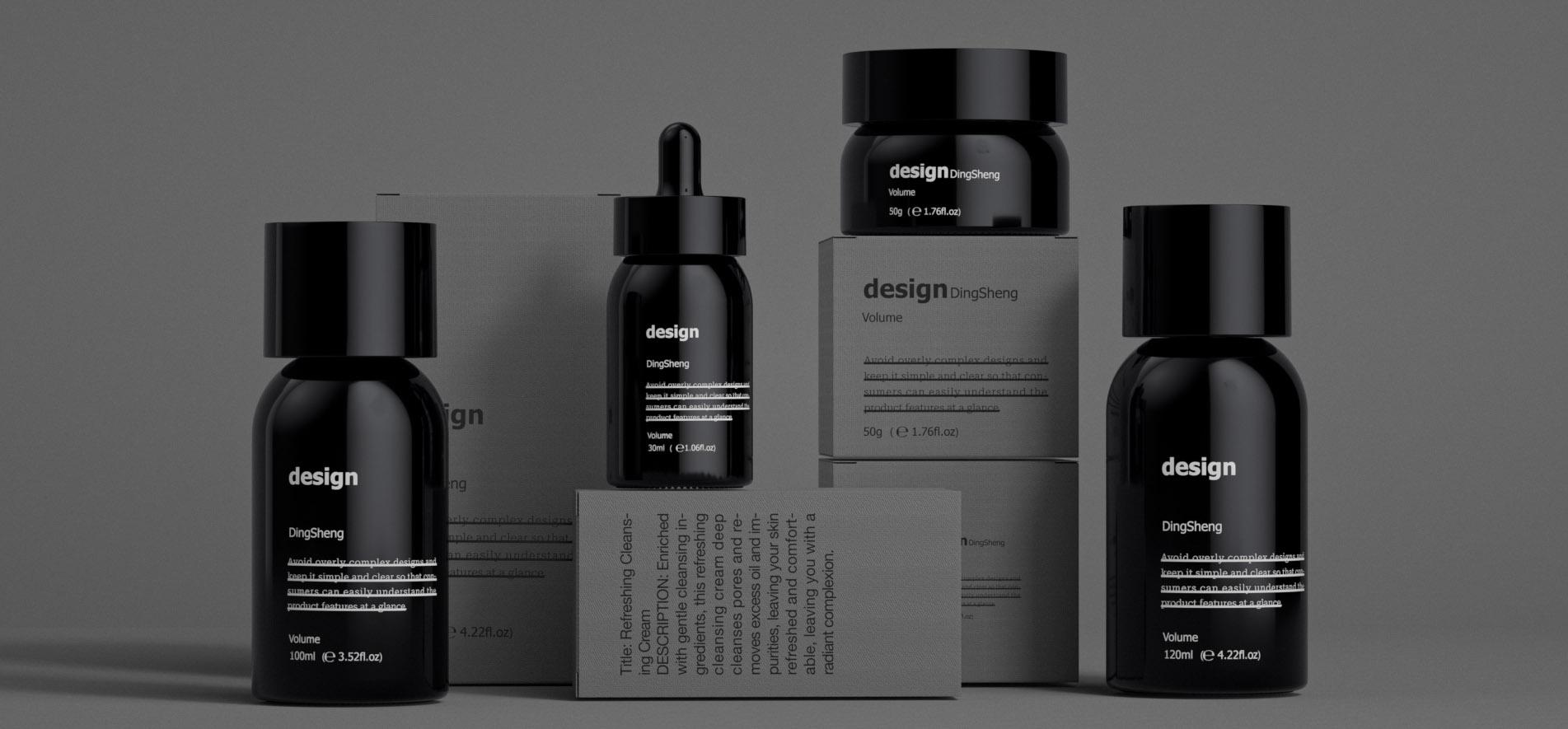
For skincare and beauty brands, packaging is not only a container. It controls how the customer sees the product, how safely the formula is stored, how smoothly the filling line runs, and how many complaints appear after shipping. A serum with a strong active ingredient may fail if the bottle allows too much light exposure. A liquid foundation may leak if the dropper and neck finish do not match well. A premium cream line may look ordinary if the jar and bottle set feels too light or inconsistent.
The best cosmetic glass packaging decision starts with the formula, not the catalog picture. Brand owners should look at viscosity, light sensitivity, dosage control, decoration method, shipping distance, and retail positioning before choosing a bottle. When these details are clear, the packaging becomes a practical tool for protecting product quality and improving customer trust.
This guide explains how to choose glass bottles and jars for serums, foundations, lotions, toners, creams, and essential oils with a more technical and buyer-friendly approach.
1. Match the Bottle to the Formula First
Different cosmetic formulas behave differently inside packaging. A thin toner flows quickly and usually works well with a pump, mist sprayer, or small-neck bottle. A serum may need a dropper for controlled dosage. A thicker liquid foundation needs a structure that prevents product buildup around the neck. Creams and masks usually work better in wide-mouth jars with inner liners or sealing discs.
If the packaging is selected only by appearance, the customer may experience dripping, contamination, product waste, or difficulty dispensing the right amount. These small problems can reduce repeat purchases even when the formula itself performs well.
| Formula Type | Best Packaging Direction | Main Risk If Wrong Packaging Is Used |
|---|---|---|
| Vitamin C serum | Opaque, amber, or UV-protective dropper bottle | Oxidation, color change, weaker formula performance |
| Retinol oil | Dark glass dropper with tight sealing system | Light degradation and leakage during transport |
| Liquid foundation | Frosted or clear glass dropper bottle with stopper | Messy neck, poor dosage control, product waste |
| Lotion | Glass pump bottle with compatible neck size | Pump failure, unstable output, filling line delays |
| Face cream | Glass cream jar with inner liner | Drying, contamination, poor sealing feel |
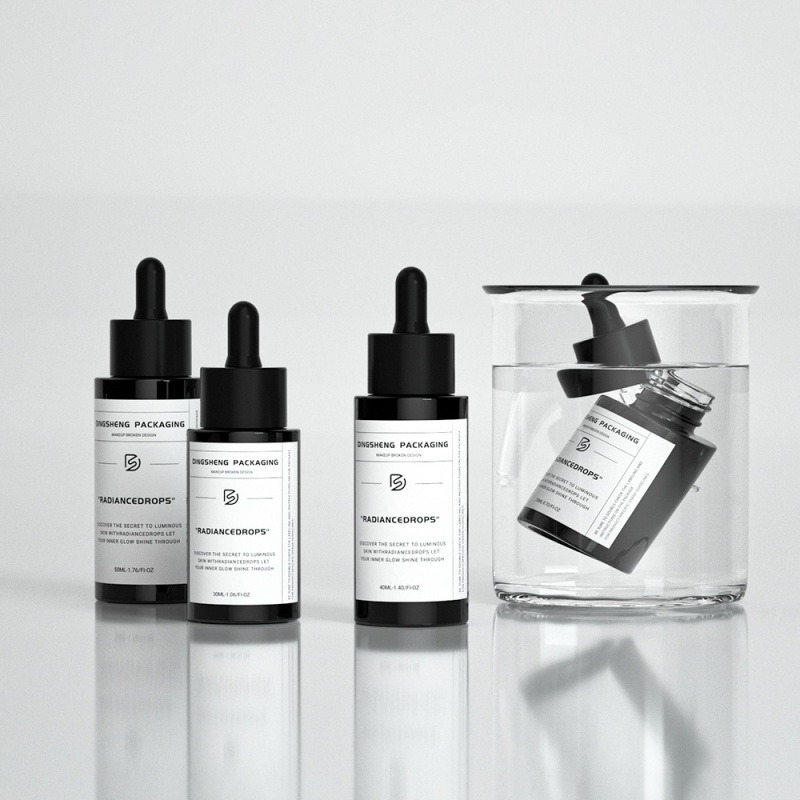
For brands working with active ingredients such as Vitamin C, retinol, peptides, and essential oils, UV Protection Glass Dropper Packaging can help reduce light exposure while keeping a clean, professional look for retail shelves and e-commerce product photos.
2. Understand Light Protection Before Choosing Color
Color is not just a branding choice. In cosmetic glass packaging, bottle color can influence formula stability. Clear glass is useful when the product color itself is part of the selling point, such as facial oils, shimmer drops, or transparent hydrating serums. Frosted glass gives a soft premium look and can slightly diffuse light. Amber, black, and opaque sprayed bottles are better for formulas that need stronger protection from visible light and UV exposure.
Many buyers ask whether they should choose clear, frosted, amber, or opaque glass. The answer depends on how sensitive the formula is and how long the product will stay in storage, transport, and customer use. A formula that spends months in a warehouse or bathroom cabinet needs more protection than a fast-moving sample product.
| Glass Finish | Visual Effect | Formula Protection | Best Use Case |
|---|---|---|---|
| Clear glass | Clean, transparent, ingredient-focused | Low light protection | Stable oils, color-display formulas, minimalist brands |
| Frosted glass | Soft matte, premium, modern | Medium light diffusion | Serums, foundations, toners, luxury skincare |
| Amber glass | Clinical, natural, apothecary style | High light protection | Essential oils, retinol, botanical extracts |
| Opaque sprayed glass | Bold, private-label friendly, high-end | Very high light blocking | Light-sensitive active formulas and premium serums |
3. Use Neck Size and Closure Fit as a Quality Control Point
A bottle body may look beautiful, but the neck finish decides whether the closure works. The neck must match the dropper, pump, sprayer, screw cap, or inner plug. If the fit is poor, the product may leak, the cap may feel loose, or the pump may fail during use. For a buyer, neck size is one of the most important technical details to confirm before mass production.
Common cosmetic neck finishes such as 18/410, 20/410, 24/410, and 28/410 are used to match different accessories. The first number refers to the approximate neck diameter, while the second number describes the thread style. A small serum bottle may use a smaller neck, while lotion bottles and toner bottles often require larger pump-compatible sizes.
| Neck Finish | Common Accessory | Typical Product | Buyer Checkpoint |
|---|---|---|---|
| 18/410 | Small dropper or cap | Sample serum, essential oil | Check pipette length and bulb fit |
| 20/410 | Dropper, pump, screw cap | 30ml serum, facial oil | Confirm sealing gasket and thread match |
| 24/410 | Lotion pump, mist sprayer | Toner, lotion, cleanser | Test pump output and dip tube length |
| 28/410 | Larger pump or cap | Body lotion, hair care, refill bottle | Check filling speed and closure torque |
Before approving a sample, brands should test the complete package: bottle, closure, inner plug, label, carton, and shipping box. Testing only the empty bottle is not enough.
4. Control Leakage With Structure, Not Hope
Leakage is one of the most expensive packaging problems because it can damage cartons, labels, outer boxes, and the customer’s trust. In glass dropper packaging, leakage often comes from poor thread matching, weak inner sealing, incorrect filling volume, or formula residue around the neck.
A good dropper bottle should support clean dispensing. Inner plugs or dropper stoppers can help wipe excess liquid from the pipette and reduce buildup around the neck. For foundations and oil-based products, this detail is especially valuable because customers notice messy packaging quickly.
| Leakage Cause | What It Looks Like | How to Reduce the Risk |
|---|---|---|
| Wrong closure match | Cap feels loose or uneven | Confirm neck finish, thread type, and torque range |
| Overfilling | Liquid enters cap area during shipping | Set correct fill level and headspace |
| No inner stopper | Product collects around bottle neck | Use wiper plug or dropper stopper structure |
| Low-quality gasket | Slow leakage after vibration | Test sealing materials with the real formula |
| Rough bottle mouth | Unstable seal surface | Inspect bottle mouth finish before packing |
For formulas that need both a premium matte look and controlled dispensing, a Wholesale Frosted Glass Dropper Bottle is a practical option for liquid foundation, active serum, facial oil, and other fluid cosmetic products that need a neat user experience.
5. Compare Decoration Methods by Durability and Brand Positioning
Decoration should be selected according to brand positioning, budget, and expected handling conditions. A label is flexible and cost-effective, but it may not feel as premium as silk screen printing or hot stamping. Spray painting gives strong color control and shelf impact, but it requires good surface adhesion and scratch resistance. Electroplating and 3D printing can create a luxury effect, but they should be tested for durability before bulk production.
| Decoration Method | Best For | Strength | Buyer Concern |
|---|---|---|---|
| Sticker label | Small batches, fast launches, multiple SKUs | Flexible and easy to update | Adhesion, edge lifting, water resistance |
| Silk screen printing | Clean logo and simple text | Professional and durable | Color accuracy and print alignment |
| Hot stamping | Luxury logo details | Metallic premium effect | Scratch resistance and foil consistency |
| Spray painting | Full-color bottle identity | Strong shelf recognition | Color matching and coating durability |
| 3D relief printing | Tactile branding | Memorable touch experience | Tooling accuracy and production cost |
6. Use Packaging Weight to Communicate Value
Consumers often judge product quality before they read the label. A heavier glass bottle or jar can create a stronger sense of value, especially in premium skincare. This does not mean every product needs the heaviest possible glass. Weight should match the price point, target customer, and shipping strategy.
For high-end skincare, heavy wall glass can make the product feel more stable, refined, and gift-worthy. For entry-level products or large e-commerce orders, very heavy packaging may raise freight cost and breakage risk. A balanced approach is better: choose enough glass weight to support brand value, then protect it with suitable cartons and inserts.
| Packaging Weight Strategy | Perceived Brand Level | Logistics Cost | Best Product Type |
|---|---|---|---|
| Lightweight glass | ██████ | ████ | Daily skincare, online bundles, refill products |
| Medium-weight glass | ████████ | ██████ | Serums, toners, lotions, mid-range beauty lines |
| Heavy wall glass | ██████████ | ████████ | Luxury skincare, gift sets, premium retail displays |
If a brand wants one visual language across toner, lotion, serum, and cream, a Custom Glass Cosmetic Bottle Set can make the whole product line look more consistent while improving shelf presence and customer recognition.
7. Build a Practical Testing Plan Before Bulk Orders
Packaging problems are much cheaper to fix before mass production. A professional sample test should include more than checking the appearance. The bottle should be filled with the real formula, stored in different positions, exposed to temperature changes, shaken, shipped, opened, closed, and used repeatedly.
| Test Item | Purpose | Recommended Check |
|---|---|---|
| Formula compatibility | Confirm no reaction with glass, coating, or gasket | Observe odor, color, separation, and cap condition |
| Leakage test | Check sealing under movement and pressure | Invert, shake, and carton-test filled samples |
| Drop test | Reduce shipping breakage risk | Test bottle plus inner box and master carton |
| Decoration adhesion | Confirm print and coating durability | Rub test, tape test, water exposure test |
| Pump or dropper output | Confirm dosage consistency | Measure output amount across repeated use |
| Labeling test | Check surface fit and label appearance | Apply label after filling and after temperature change |
8. A Buyer Checklist for Cosmetic Glass Bottle Projects
Before requesting a quote, prepare the main technical details. This helps the supplier recommend suitable bottles, closures, decoration options, and packing methods. It also reduces sample revisions and shortens the project timeline.
| Information to Prepare | Example | Why It Matters |
|---|---|---|
| Product formula | Vitamin C serum, foundation, toner, cream | Decides bottle color, closure, and sealing structure |
| Capacity | 15ml, 30ml, 50ml, 100ml, 120ml | Affects mold choice, filling line, and retail price |
| Closure type | Dropper, pump, sprayer, screw cap, inner liner | Controls user experience and leakage risk |
| Decoration | Frosting, spray painting, silk screen, hot stamping | Builds visual identity and shelf impact |
| Order quantity | Trial batch, 5,000 pcs, 10,000 pcs, larger order | Influences cost, lead time, and production method |
| Target market | Luxury retail, spa line, e-commerce, private label | Guides packaging weight and design direction |
| Shipping method | Air, sea, local warehouse, direct-to-brand | Determines carton strength and protection plan |
A cosmetic glass bottle should solve real product problems: protect active ingredients, prevent leakage, support clean dispensing, match the filling process, survive transport, and help the product look worth its price. When brands evaluate packaging this way, they avoid many common mistakes and make better purchasing decisions.
The right packaging choice is usually not the most decorative bottle in the catalog. It is the bottle that fits the formula, works with the closure, supports the brand story, and performs reliably after shipping. For skincare brands preparing a new serum, toner, foundation, or cream line, this practical approach can turn packaging from a cost item into a competitive advantage.


 Network Supported