How to Create a Signature Skincare Glass Bottle for Independent Brands
May 21, 2026
Design plays a powerful role in shaping consumer perception within the skincare industry. Market studies show that packaging acts as the 'salesman on the shelf,' capturing attention and often driving impulsive purchases. Brands that create a signature skincare glass bottle align visual and verbal elements with their core identity. They consider decoration techniques and material choices to match product needs and customer expectations. A unique Skincare Glass Bottle elevates product appeal and builds brand loyalty.
Key Takeaways
A strong brand story enhances packaging design. Use visual elements to communicate your brand's values and mission.
Understand your target audience's preferences. Focus on aesthetics, sustainability, and functionality to meet their needs.
Select the right size and shape for your product. Match the bottle design to the product's texture for optimal usability.
Invest in unique decoration techniques. Use methods like screen printing and embossing to add personality and appeal to your packaging.
Create a memorable unboxing experience. Thoughtful packaging enhances customer satisfaction and builds brand loyalty.
Brand Identity & Audience
Define Brand Story
A compelling brand story forms the foundation of any successful skincare line. Brands often communicate their values and mission through visual cues on their packaging. For example, minimalist typographic systems and muted color palettes can signal craftsmanship and attention to detail. Some brands highlight material-first luxury by choosing heavy glass and refined finishes, which enhance the tactile experience for customers. Others use subtle color accents to differentiate product types while maintaining a cohesive look. Labels and copy also play a role, with handwritten elements suggesting artisanal origins, while clean, clinical designs convey a sense of scientific precision.
Tip: Consistency in storytelling across all packaging elements helps reinforce brand recognition and trust.
Target Customer Insights
Understanding the target audience is essential when designing a skincare glass bottle. Customers in the beauty industry often seek packaging that preserves product quality and delivers a premium look and feel. Many buyers now prioritize sustainability, tracking recycled content and energy use in glass production. Decision drivers include total cost of ownership, lead times, and design flexibility. Large buyers may plan far in advance and co-develop custom bottles, while individual consumers value aesthetics, durability, and a sense of brand heritage. Motivations such as premiumization and environmental goals influence the choice of materials and finishes, including frosted surfaces or UV-protective amber glass for refill systems.
Design Direction
The design direction should reflect both the brand story and customer expectations. Brands can choose between handcrafted or clinical narratives, depending on their positioning. Material selection, color accents, and finish all contribute to the overall impression. For example, a skincare glass bottle with a frosted finish and minimalist label can appeal to customers seeking a modern, luxurious experience. Tailoring the design to specific industry needs, such as using UV-protective glass, can also improve shelf performance and product longevity. By aligning design choices with brand identity and audience insights, independent brands can create packaging that stands out and supports long-term growth.
Skincare Glass Bottle Functionality
Size & Shape Selection
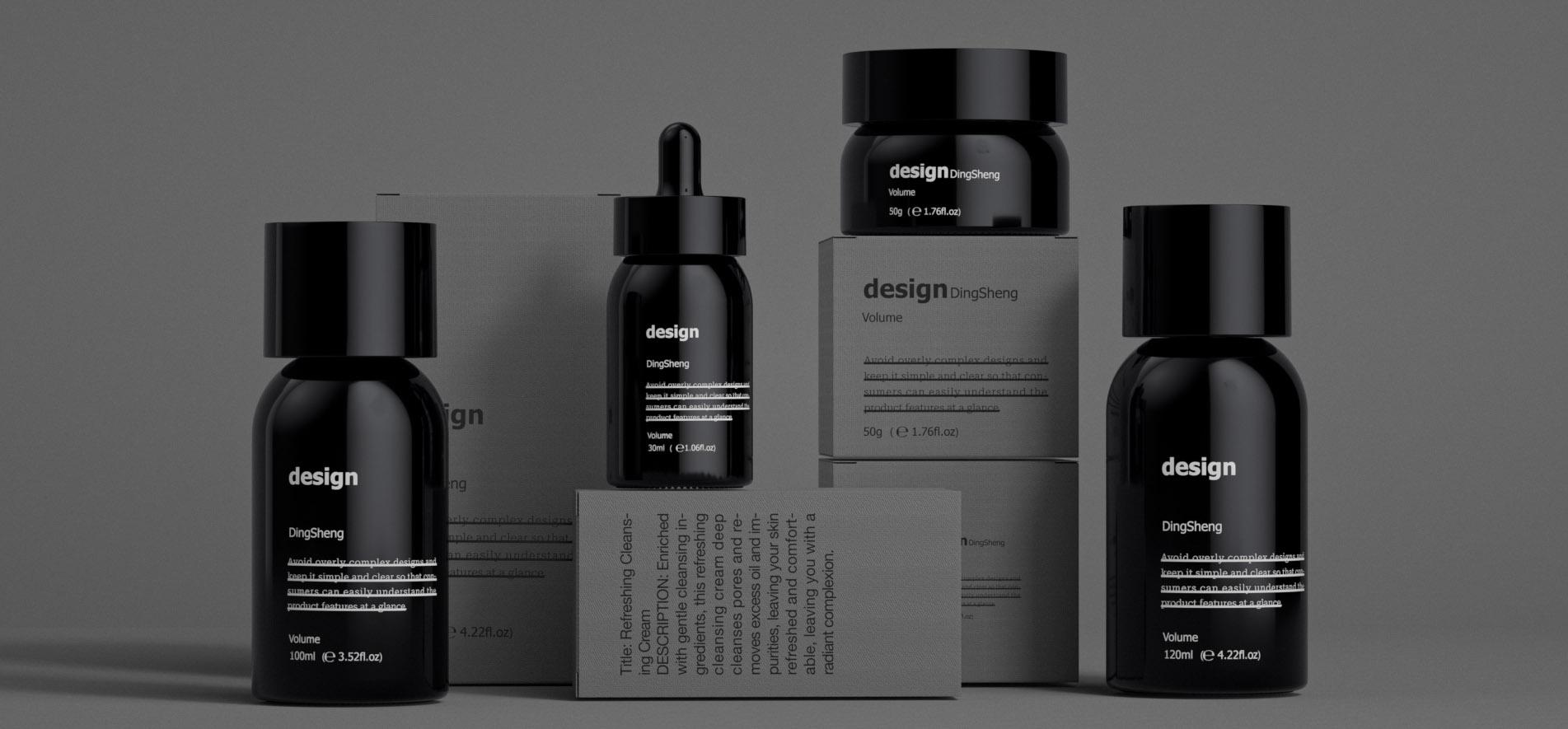
Selecting the right size and shape for a skincare glass bottle depends on the product type and its consistency. Thin serums often require dropper bottles, while thicker creams fit best in jars. Pump bottles work well for lotions, offering controlled dispensing and convenience. Brands consider sustainability when choosing glass, as it aligns with eco-friendly strategies and appeals to environmentally conscious consumers. Glass provides durability and a premium feel, making it a cost-effective choice over time. The size and shape also influence how easily users can handle and store the product.
Tip: Match the bottle design to the product’s texture and intended use for optimal functionality.
Closure Types
Closure types play a crucial role in preserving product quality and enhancing user experience. A tight seal prevents contamination from air or moisture, keeping the product fresh. Some closures protect against tampering, which builds consumer confidence in the safety of the contents. Usability improves when closures allow easy opening, closing, or dispensing. The appearance of the closure also affects the overall look of the bottle, shaping consumer perceptions. Glass bottles offer an inert and UV-resistant environment, which helps maintain the integrity of skincare formulas.
Product Compatibility
Compatibility between skincare formulations and glass bottle materials ensures product safety and effectiveness. Chemical compatibility prevents reactions that could cause discoloration or odor changes. Biological compatibility stops harmful substances from migrating into the product. Physical compatibility addresses issues like cracking, which could compromise the bottle’s integrity. Amber glass protects light-sensitive ingredients, such as Vitamin C, by blocking harmful UV rays. Glass acts as a strong barrier against oxygen, preventing oxidation of sensitive components. Multi-functional packaging can further enhance product protection and user convenience.
Design & Customization
Bottle Shape & Color
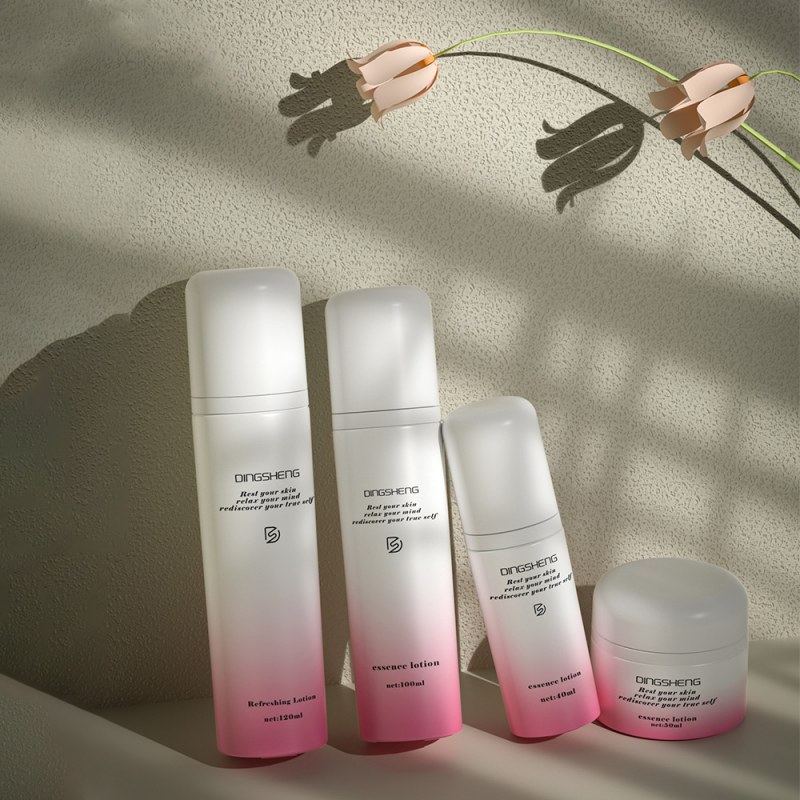
The shape and color of a skincare glass bottle play a major role in how consumers perceive a product. Brands often select shapes that reflect their identity and help products stand out on shelves. Frosted glass bottles with soft colors create a premium look and feel, while opaque bottles in neutral palettes protect light-sensitive formulas and give a clinical impression. Many brands now use recyclable materials with clean visuals to support sustainability and enhance the unboxing experience.
Bottle Shape
Color
Description
Frosted Glass
Soft Colors
Creates a premium look and feel, often associated with luxury products.
Opaque Bottles
Neutral Palettes
Protects light-sensitive formulas and gives a clinical impression.
Recyclable Materials
Clean Visuals
Eco-friendly options that enhance the unboxing experience and support sustainability.
Consumers prefer clean, modern designs with soft colors. Unique shapes and visual elements help products attract attention. Frosted finishes remain popular for their sophisticated appearance. Amber dropper bottles also offer protection for sensitive ingredients and add a touch of elegance.
Minimalist vs. Luxury Design
Minimalist and luxury design choices both influence brand trust and customer loyalty. Minimalist packaging uses clean lines, simple typography, and uncluttered labels. This approach conveys sophistication and authenticity, which can enhance trust. Luxury designs use premium materials and sophisticated aesthetics to create a sense of exclusivity and trustworthiness.
Design Type
Characteristics
Impact on Brand Trust and Loyalty
Minimalist
Clean lines, simple typography, uncluttered labels
Conveys sophistication and authenticity, enhancing trust
Luxury
Premium materials, sophisticated aesthetics
Creates a sense of exclusivity and trustworthiness
Minimalist packaging often reduces costs and shipping expenses because it uses fewer materials and is lighter. Many consumers associate minimalist designs with authenticity and quality. Luxury designs, on the other hand, use heavier glass and refined finishes to signal value. Both approaches can build strong emotional connections with customers.
Note: Multi-functional packaging, such as bottles that combine dropper and pump features, improves user experience and encourages repeat purchases by building brand loyalty.
Decoration Techniques
Decoration techniques add personality and visual appeal to a skincare glass bottle. Spray frosting offers clean, minimal designs that reflect transparency and purity. This method replaces older, wasteful techniques and adds texture to the glass surface. Screen printing applies intricate details without cluttering the design, making it ideal for both sample and full-size containers. Digital printing enables high-resolution, full-color designs, allowing brands to quickly launch seasonal or limited-edition products.
Other techniques include:
Embossing and textured surfaces, which improve user experience and add a premium look.
Color collections, which group items visually across product lines for a cohesive appearance.
Spray painting, which customizes glass packaging with sleek matte finishes or vibrant colors.
These decoration methods help brands convey their identity and differentiate their products in a crowded market.
Labeling & Custom Features
Custom labeling and features play a critical role in product differentiation. Packaging serves as the first point of contact with consumers, making it essential for attracting attention and influencing purchase decisions. Effective labeling on a Custom Skincare Glass Bottle communicates brand values and quality before the product is even opened. Trust in skincare products often depends on the design and clarity of the packaging.
Custom packaging strategies include:
Unique label shapes and materials that reflect the brand story.
Embossed or metallic accents for a luxury touch.
Interactive elements, such as QR codes or textured labels, to engage consumers.
Multi-functional packaging, like refillable bottles or dual-purpose applicators, not only improves user experience but also builds emotional connections with consumers. This approach fosters brand loyalty and encourages repeat purchases, which are vital for long-term success in the skincare industry.
Tip: Investing in thoughtful design and customization for a skincare glass bottle can significantly boost brand recognition and customer satisfaction.
Materials & Supplier Selection
Sustainable Glass Options
Brands select sustainable glass options to reduce environmental impact and appeal to eco-conscious consumers. Glass can be recycled repeatedly without losing quality, making it a preferred material for skincare packaging. Unlike plastic, a Luxury Skincare Glass Bottle maintains its integrity and does not degrade over time. Lightweight glass designs help minimize transportation emissions, and innovative manufacturing methods continue to reduce the weight of packaging. Glass also acts as an inert material, ensuring that product formulations remain stable and uncontaminated.
Glass is perceived as a premium option by consumers, offering both sustainability and product safety.
Supplier Vetting
Independent brands must carefully vet suppliers to ensure reliability and quality. They research and compare suppliers, looking for positive reviews and testimonials. Brands check for compliance with industry standards and certifications, such as ISO, to guarantee safety and consistent quality. Responsive customer service enhances communication and builds trust between brands and suppliers.
Brands request samples to evaluate clarity, strength, and finish.
They inspect for scratches, defects, and uniform thickness.
Certifications confirm that suppliers meet industry requirements.
Sample Requests & Credentials
Requesting samples and checking credentials are essential steps before bulk production. Brands approve filled packs, component fit, decoration proof, and packing methods to ensure quality. They define formula, closure system, decoration, and packing specifications for accurate supplier quotes. Reviewing quotes helps brands avoid hidden costs and delays.
Criteria
Details
Sample Approval
Brands approve filled pack, component fit, decoration proof, and packing method.
Specification Details
Brands define formula, closure system, decoration, and packing.
Quote Review Points
Brands check quantity route, included components, sample revisions, and packing/shipment details.
Cost & MOQ Considerations
Cost and minimum order quantity (MOQ) influence decision-making for independent brands. Traditional MOQs ranged from 3,000 to 10,000 units per SKU, requiring substantial working capital. New low MOQ options allow brands to start with 100–1,000 units, reducing upfront investment and enabling market testing. Brands assess pricing structures, evaluate MOQs, and balance cost-effectiveness with market demand.
The introduction of low MOQ models has transformed the landscape for new brands, allowing them to innovate and respond to feedback without high financial risk.
A Skincare Glass Bottle sourced from a reliable supplier supports both brand sustainability and product quality.
User Experience & Brand Story
Usability Testing
Brands conduct usability testing to ensure packaging meets customer needs. They observe how users interact with the Skincare Glass Bottle, noting ease of opening, dispensing, and handling. Testing reveals issues such as leaks or difficulty in use. Brands adjust design features based on feedback. They prioritize intuitive closures and ergonomic shapes. Usability testing helps brands create packaging that feels comfortable and functional. This process improves satisfaction and reduces product returns.
Unboxing Experience
The unboxing experience shapes customer satisfaction and brand perception. Packaging protects products and enhances brand value. It serves as a critical touchpoint that influences loyalty and online reviews. Brands focus on creating memorable unboxing moments that excite and build trust. Positive experiences lead to repeat purchases, while poor packaging can deter future buyers. The unboxing moment creates excitement and strengthens emotional connections.
Packaging protects products and enhances brand perception.
The unboxing experience is a vital touchpoint for customer satisfaction.
Positive unboxing moments increase loyalty and improve reviews.
Packaging shapes customer perception and prevents cognitive dissonance.
Effective packaging enhances the customer journey.
The unboxing moment creates excitement and trust.
Packaging Storytelling
Packaging storytelling communicates brand values and builds emotional connections. Brands use visual design, colors, and graphics to reflect their identity. Materials convey quality and sustainability. Unique shapes and thoughtful details create memorable packaging. Personalized notes and eco-friendly materials enhance the emotional bond with consumers. Interactive tools, such as AR storytelling and gamified interactions, engage users and differentiate brands.
Interactive Packaging Example
Benefit to User Engagement
AR Storytelling
Engages users with immersive narratives about the product.
Gamified Interactions
Encourages playful engagement, increasing brand recall.
Digital Unlocks
Creates excitement and anticipation through interactive features.
Virtual Try-On
Enhances confidence in purchasing decisions.
Personalized marketing strategies transform transactional interactions into emotional relationships. Brands recognize customers personally and customize products to meet individual needs. AI-powered skin assessments and personalized tips foster deeper connections. Memorable unboxing experiences and emotional engagement through storytelling build loyalty and satisfaction.
Tip: Brands that invest in user experience and storytelling through packaging stand out in the competitive skincare market.
Designing a signature skincare glass bottle involves several key steps:
Prioritize functionality to protect and showcase the product.
Align design elements with brand identity, using color and typography.
Embrace sustainability through eco-friendly materials and refillable options.
Unique packaging acts as the first touchpoint, attracting attention and building trust. By integrating storytelling and sensory design, brands create memorable experiences that foster loyalty. Independent brands that invest in creative, functional, and authentic packaging can stand out and achieve lasting success.
FAQ
What makes glass bottles ideal for skincare products?
Glass bottles offer strong protection against air and light. They help preserve active ingredients. Glass does not react with most skincare formulas. Many consumers also see glass as a premium and eco-friendly choice.
How can brands customize glass bottles for their products?
Brands can select unique shapes, colors, and finishes. Decoration techniques like screen printing or embossing add visual appeal. Custom labels and closures further enhance the bottle’s identity and function.
Are glass bottles environmentally friendly?
Glass is 100% recyclable and can be reused many times. It does not degrade in quality after recycling. Lightweight glass options also help reduce transportation emissions.
What closure types work best for skincare glass bottles?
Dropper caps, pumps, and screw tops are common choices. The best closure depends on the product’s texture and use. Secure closures help prevent leaks and contamination.
How does packaging influence customer perception?
Attractive and functional packaging builds trust and encourages repeat purchases. A well-designed bottle signals quality and care. The unboxing experience can create a lasting impression and boost brand loyalty.




 Network Supported