What Makes a High-Quality Glass Dropper Bottle for Cosmetic Packaging?
May 28, 2026
A high-quality glass dropper bottle protects cosmetic formulas from external contaminants and preserves their effectiveness. Packaging plays a critical role in maintaining product purity and extending shelf life.
Glass materials prevent the degradation of active ingredients.
Airtight sealing reduces oxidation, which helps retain sensitive components like vitamin C.
Amber glass offers UV protection for ingredients sensitive to light.Glass dropper bottles often represent the premium segment in the cosmetic industry, where consumer trust and product quality go hand in hand.
Key Takeaways
High-quality glass dropper bottles protect cosmetic formulas from contamination and preserve their effectiveness.
Amber glass provides essential UV protection, blocking up to 99% of harmful rays to maintain product potency.
Precision dispensing ensures users apply the right amount of product, enhancing effectiveness and preventing waste.
Customizable designs allow brands to create unique packaging that enhances product appeal and builds consumer trust.
Choosing glass dropper bottles supports sustainability, as they are fully recyclable and reduce plastic waste.
Key Features of High-Quality Glass Dropper Bottles
Material Purity and Safety
A high-quality glass dropper bottle starts with material purity and safety. When manufacturing BPA-free cosmetic glass dropper containers, non-toxic materials are prioritized to protect sensitive formulas. This ensures the packaging does not leach chemicals into the product, which is essential for maintaining purity. The pipette often consists of borosilicate or soda-lime glass, both known for their chemical inertness. The bulb uses specialized materials like TPE or nitrile rubber, which resist degradation and help preserve the formula. Secure closures, such as tamper-evident seals and child-resistant caps, add another layer of safety. These features ensure that the packaging maintains product integrity and consumer trust.
Glass is chemically inert, so it does not react with active ingredients.
Pipettes made from high-quality glass prevent contamination.
Secure closures keep the product safe from tampering and accidental spills.
Chemical Resistance and Inertness
Glass dropper bottles offer strong chemical resistance, which is vital for storing active cosmetic ingredients. High-quality glass meets Hydrolytic Class 1–2 standards, minimizing alkali release when in contact with water-based formulas. This prevents unwanted pH changes and ingredient breakdown. Glass resists alcohol, oils, acids, and alkaline substances, making it suitable for a wide range of cosmetic products. Unlike plastic, glass does not interact with the contents, ensuring the formula remains pure and stable throughout its shelf life. Testing formulas with the chosen packaging confirms compatibility and guarantees consumer safety.
Tip: Always test new cosmetic formulations with the selected dropper bottle packaging to ensure long-term stability and safety.
Precision Dispensing
Precision dispensing is a hallmark of a high-quality glass dropper bottle. This feature allows users to apply the exact amount of serum or oil needed for each application. Accurate dosing is crucial for products with high concentrations of active ingredients. It helps prevent over-application, which can irritate the skin, and under-application, which may reduce effectiveness. The design of the dropper assembly ensures consistent and reliable dispensing, enhancing the user experience and supporting the product’s quality.
Light Protection with Amber Glass
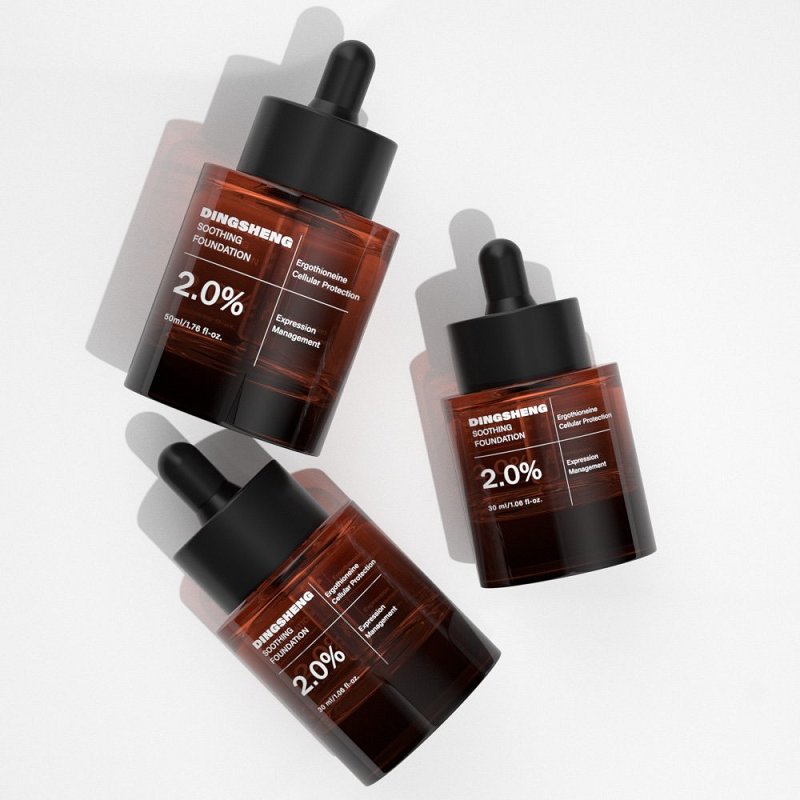
Light-sensitive cosmetic ingredients require protection from harmful UV rays. Using UV resistant amber glass dropper bottles provides superior light shielding, blocking about 90 to 95% of harmful rays due to their unique composition. It filters out wavelengths between 470 and 500 nm, reducing photodegradation by up to 83% compared to clear glass. Amber glass can block nearly 99% of UV-B and UV-A rays, which helps preserve the potency and texture of the product.
Packaging Type
UV Light Blocking
Active Ingredient Degradation
Texture Change
Amber Glass
Blocks up to 99% of UV light below 450 nm
3% decrease
Stable
Plastic
N/A
20% decrease
Thinner
This level of protection extends the shelf life of cosmetics and maintains their effectiveness.
Customizable Design Options
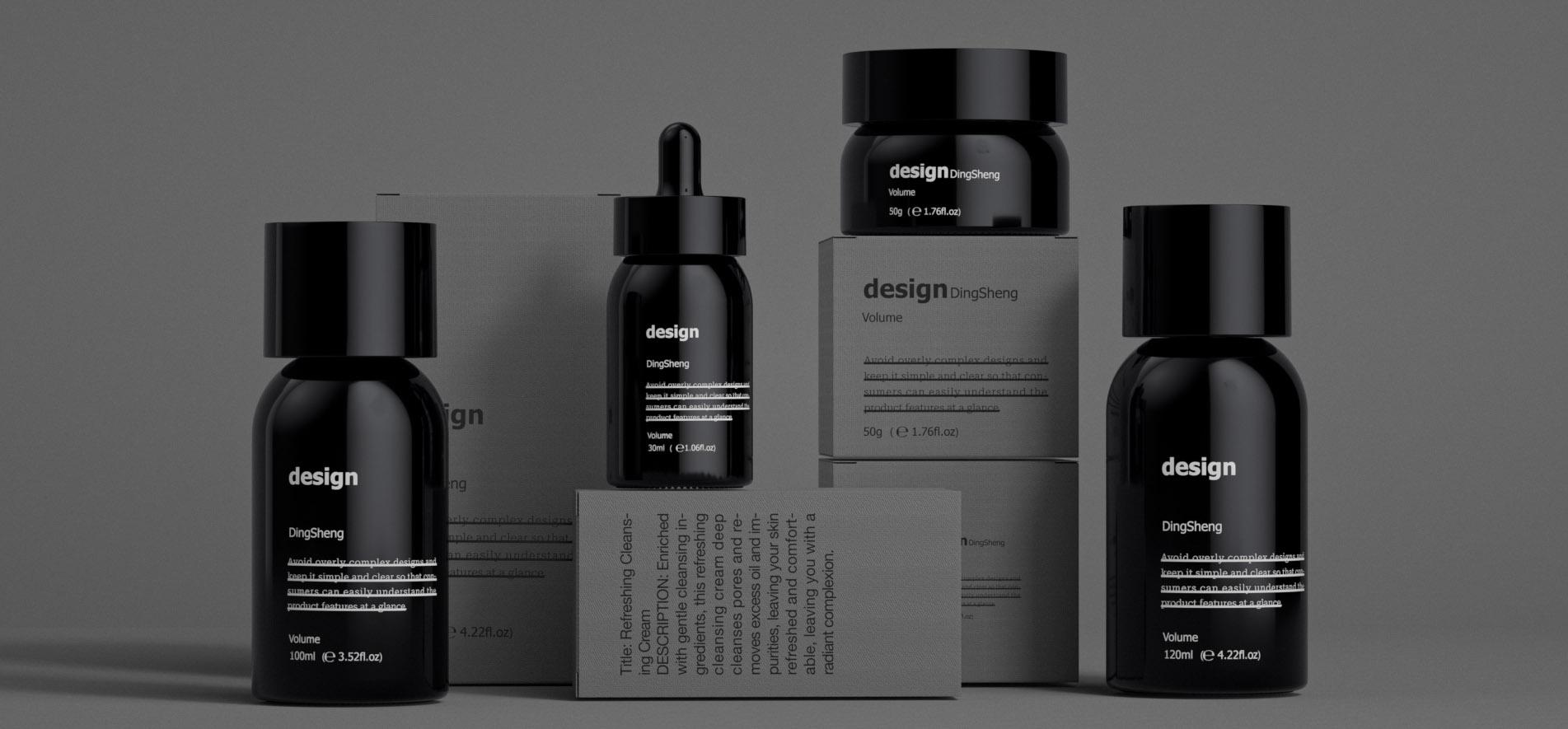
Cosmetic brands often seek customizable design options for glass dropper bottles to enhance product presentation and brand identity. Custom shapes, colors, and sizes allow brands to create a unique look that stands out on shelves. Adjustable pipette sizes and custom dropper mechanisms ensure compatibility with different product viscosities. Child-resistant options add safety for households with children. Customization also includes specific bottle heights and capacities tailored to product needs.
Custom designs communicate brand positioning and influence purchasing decisions.
Packaging aesthetics, such as color and labeling, attract consumers before they read product claims.
Consistent design across a product line builds a recognizable brand world and strengthens consumer relationships.
A well-designed high-quality glass dropper bottle not only protects the formula but also elevates the perceived value of the cosmetic product.
Benefits of Glass Dropper Bottles in Cosmetics
Product Integrity and Longevity
Glass dropper bottles protect product integrity in cosmetics by providing a non-reactive barrier. Glass does not interact with sensitive ingredients, which helps maintain consistent quality in high-quality cosmetics. Many skincare brands choose glass for anti-aging serums and essential oils because it preserves formula integrity over time. Specialized glass types, such as amber and violet, shield skin care products from light and oxygen. A chemical analysis showed that rosewater stored in violet glass maintained its quality for two months, while amber glass allowed some degradation. This demonstrates the superior protection glass offers for natural cosmetics. Clear glass dropper bottles also allow users to monitor the product’s condition, supporting precision in usage and storage.
Property
Glass Bottles
Plastic Bottles
Non-reactive
Does not interact with ingredients
Can react with certain formulations
Superior Barrier
Protects against oxygen and moisture
Less effective barrier properties
Eco-Friendly
Recyclable endlessly
Limited recyclability
Chemical Resistance
Ideal for sensitive formulations
May leach chemicals
Glass maintains product integrity, extends shelf life, and supports precision in dispensing.
Aesthetic and Premium Appeal
Glass dropper bottles elevate the aesthetic appeal of cosmetics. Consumers often associate glass packaging with luxury and sophistication. The transparency of clear glass dropper bottles allows users to see the product inside, which builds trust and confidence in quality. The elegant design of glass dropper bottles enhances the perceived value of skincare and cosmetic products. Minimal color palettes, matte finishes, and refined shapes contribute to a premium look. Heavier glass containers feel more valuable and create a sense of exclusivity. Limited edition packaging and luxury finishing techniques further distinguish high-quality cosmetics. The aesthetic qualities of glass packaging influence purchasing decisions and brand loyalty.
Glass dropper bottles offer clean and sophisticated appearance.
Clear glass dropper bottles foster trust by showing the product inside.
Premium packaging creates a sense of value and exclusivity.
Environmental Sustainability
Glass stands out for its recyclability and durability in cosmetics packaging. Unlike plastic, glass can be recycled endlessly without losing quality. Many cosmetic brands use glass bottles with screw caps or spray pumps to reduce environmental impact. Plastic waste from cosmetic packaging remains a major challenge, as traditional containers rely on virgin plastics and contribute to resource depletion. Glass packaging, while heavier and more energy-intensive to produce, offers greater recyclability and supports sustainability goals. The use of bio-based materials and plant-based plastics is growing, but glass remains a widely used sustainable option. Consumers seeking eco-friendly skincare and cosmetics often prefer glass dropper bottles for their environmental benefits.
Note: Choosing glass dropper bottles supports sustainability and reduces plastic waste in the cosmetics industry.
Choosing Dropper Bottle Packaging for Cosmetics
Volume and Size Selection
Selecting the right volume and size for dropper bottle packaging impacts both consumer experience and product preservation. Small bottles, such as 5ml or 10ml, work well for samples and travel kits. These sizes reduce contamination risk and encourage users to finish the product before expiration. Standard sizes like 15ml and 30ml suit concentrated treatments and daily-use serums, balancing value and convenience. Large bottles, such as 60ml, are ideal for mixing multiple liquid varieties. The most common sizes in the cosmetic market include 0.5 oz (15ml), 1 oz (30ml), and 2 oz (60ml). Choosing the best dropper bottle size ensures precise dosing and supports ease of use for different applications.
Compatibility with Cosmetic Formulations
Compatibility between dropper bottle packaging and cosmetic formulations is essential for maintaining quality. Aggressive ingredients can cause rubber bulbs to swell or dissolve, leading to leaks and contamination. Nitrile droppers may leach plasticizers into formulas, affecting purity. Manufacturers conduct compatibility testing by filling bottles with the actual product and storing them under different conditions, such as heat and light, for several weeks. This process helps identify any changes in the packaging or product. Brands should specify every component, including bulb material, to ensure consistent performance and safety.
Dropper Types and Functionality
Dropper bottle packaging offers several types of droppers, each with unique features. Dropper pipettes, made from glass or plastic, suit thick oils and allow for precise placement. Dropper inserts, mainly plastic, work best for thin liquids and do not degrade with essential oil exposure. Pump dispensers deliver consistent volumes per application, while droppers provide more control for targeted treatments. Many skincare products require accurate dosing, which improves user results and reduces waste. Ease of use depends on the dropper type, with pumps favored by beginners and droppers preferred for precision.
Many skincare products have active ingredients that need precise dispensing for better results. The correct dosage and measurement help users avoid waste and improve product use.
Branding and Customization
Packaging plays a vital role in brand recognition and customer loyalty. Custom color options, unique shapes, and decoration techniques such as hot stamping or soft-touch coatings enhance product differentiation. Investing in custom frosted glass cosmetic dropper packaging creates a premium look while offering an extra layer of protection for sensitive ingredients. Consistent design across a product line builds a strong visual identity, making the brand instantly recognizable. Using outer packaging, like paperboard containers, provides more space for custom artwork and key product details. Aligning packaging with consumer values, such as sustainability, strengthens trust and emotional connections.
Custom packaging enhances visual identity and fosters loyalty.
Consistent design encourages repeat purchases and reinforces brand identity.
High-quality glass dropper bottles offer an impermeable barrier that preserves sensitive cosmetic products and prevents oxidation. Amber glass protects against UV rays, while durable, recyclable materials support sustainability. These bottles maintain chemical stability and reinforce a premium brand image. Cosmetic brands should focus on packaging that reflects their identity, ensures product safety, and meets regulatory standards. Choosing glass dropper bottles helps brands deliver purity, effectiveness, and long-term value to consumers.
FAQ
What makes glass dropper bottles safer than plastic for cosmetics?
Glass dropper bottles do not leach chemicals into cosmetic formulas. They resist reactions with active ingredients. This property helps maintain product purity and safety for users.
How does amber glass protect cosmetic products?
Amber glass blocks most UV rays. It shields light-sensitive ingredients from degradation. This protection helps preserve the effectiveness and shelf life of cosmetics.
Can glass dropper bottles be recycled?
Glass dropper bottles are fully recyclable. They retain quality through multiple recycling cycles. Many cosmetic brands choose glass to support sustainability and reduce environmental impact.
What sizes are common for cosmetic glass dropper bottles?
Cosmetic glass dropper bottles often come in 15ml, 30ml, and 60ml sizes. These volumes suit serums, oils, and concentrated treatments. Smaller bottles work well for samples and travel kits.
Are glass dropper bottles suitable for all cosmetic formulations?
Glass dropper bottles suit most cosmetic formulas. They resist acids, oils, and alcohols. Compatibility testing ensures the packaging does not affect product quality or safety.




 Network Supported