How Frosting and Coating Techniques Enhance the Ergonomics of Skincare Glass Bottles?
Jan 29, 2026
In the highly competitive world of premium beauty, the physical vessel of a product is far more than a simple container; it is the silent ambassador of a brand’s commitment to quality. While visual aesthetics often capture the consumer's eye on a digital screen or retail shelf, it is the "Tactile Experience" that defines the relationship during daily use. As brands increasingly look for a comprehensive Cosmetic Glass Bottle Set to represent their entire product line, the focus has shifted toward how specialized surface treatments like frosting and coating can redefine user ergonomics and product perceived value.
1. Engineering Grip Stability through Surface Friction
Ergonomics in glass packaging begins with security and handling safety. Standard high-gloss glass has a remarkably low coefficient of friction. In the typical environment where skincare is applied—the bathroom—this poses a significant functional risk. Humidity, steam from showers, and the residue of oils or water-based serums transform a smooth glass surface into a slippery hazard. This is particularly dangerous for glass packaging, where a single drop can lead to breakage and product loss.
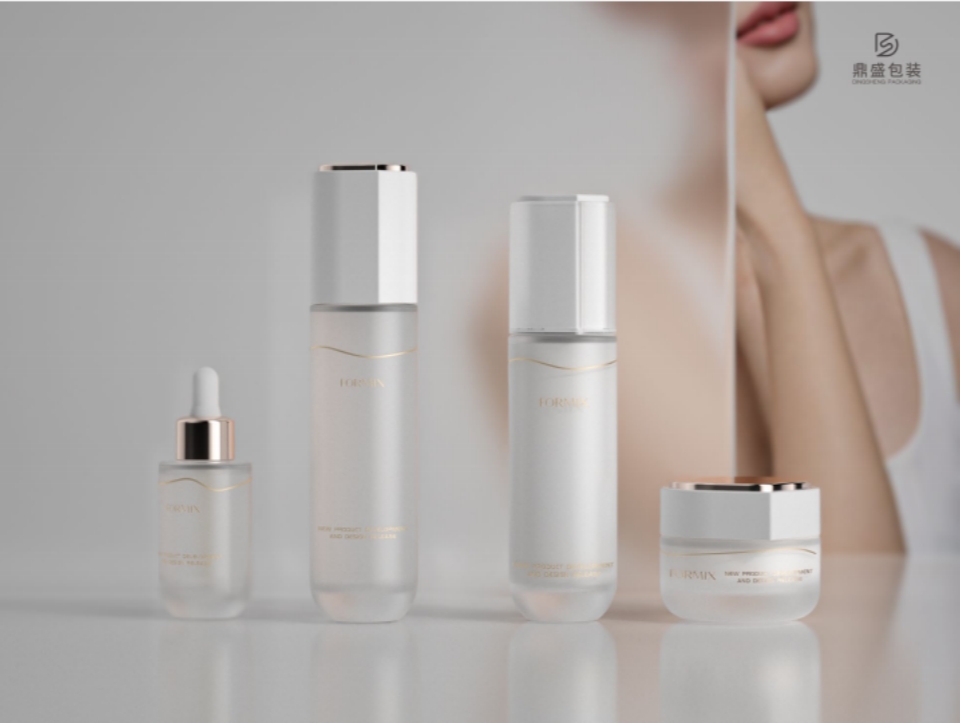
Frosting, achieved through precision acid etching or sandblasting, creates a micro-textured surface that drastically increases the friction between the user's skin and the glass. This intervention allows for a much more stable grip even when hands are damp or oily. For high-potency treatments, a Frosted Essence Liquid Bottle is often the preferred choice among dermatological brands. The texture provides the user with the confidence to handle the product precisely, ensuring that every drop of the expensive formula is dispensed safely without the fear of the bottle slipping from their fingers.
2. Thermal Perception and the Psychological "Warmth" of Glass
As an inorganic material, glass is naturally a high conductor of heat. This means it often feels cold and "mechanical" to the touch, which can sometimes disrupt the intimate, sensory ritual of skincare. In the psychology of luxury, coldness is often associated with clinical detachment, whereas warmth is associated with care and organic quality.
Advanced spray coatings, such as soft-touch or matte finishes, act as a subtle thermal barrier. These coatings dampen the immediate heat transfer from the user's fingertips to the glass, giving the bottle a more "organic" and warmer sensation. This is especially vital when a consumer picks up a Glass Bottle For Skincare Toner in the morning; the transition from a cold object to a body-temperature-neutral surface makes the application ritual feel more luxurious and comforting. This micro-interaction suggests a level of sophisticated engineering that resonates deeply with high-end consumers.
Surface Treatment Technical Comparison Matrix
Performance Metric
Clear Polished Glass
Acid Frosted Glass
Soft-Touch Coating
Grip Friction (Wet)
2/10 (Low)
9/10 (Superior)
8/10 (Excellent)
Thermal Touch
Cold/Clinical
Neutral/Soft
Warm/Organic
Fingerprint Visibility
High
Low
Zero
Smudge Resistance
Low
High
Excellent
3. Maintaining Aesthetic Integrity: The Battle Against Fingerprints
One of the persistent challenges with premium glass bottles is the "smudge effect." High-gloss surfaces are notorious for picking up fingerprints and residue from skin oils almost immediately upon contact. This buildup not only obscures the brand's logo and design but can also make the bottle feel sticky or unhygienic over the months of use.
By opting for frosted finishes or specialized oleophobic (oil-repellent) coatings, brands ensure that the tactile experience remains clean and consistent. These advanced treatments create a surface that is naturally resistant to human oils. When a consumer uses a coordinated cosmetic glass bottle set, they expect a uniform level of cleanliness across all their products. Frosting hides minor imperfections and oil marks, ensuring that the packaging remains as pristine on the user's vanity as it was on the day of purchase.
4. Weight Dynamics: A Non-Verbal Quality Indicator
In the ergonomics of high-end skincare, weight distribution is a critical factor. Human beings are evolutionarily hardwired to associate weight with substance, durability, and value. A bottom-heavy glass bottle is not just a structural necessity for stability; it is a psychological signal of quality. Manufacturers achieve this by engineering bottles with a significant base thickness.
This stability is a silent form of ergonomics. When a user feels the "heft" of a well-balanced bottle, their brain translates that physical weight into a perception of the formula's concentration and efficacy. Combined with a frosted or coated texture, this creates a sensory profile of "steadiness" and "trust." It is a psychological feedback loop that significantly boosts consumer satisfaction and repeat purchase intent, as the act of handling the bottle becomes a satisfying part of the luxury experience.
5. Durability and Long-term Resilience of Surface Finishes
Every tactile enhancement must be as durable as it is beautiful. Advanced frosting and coatings are subjected to rigorous laboratory testing to ensure they can withstand the harsh realities of daily use. Skincare formulas often contain volatile essential oils, alcohols, and high-activity active ingredients that can act as solvents. Premium glass finishes must be chemically resistant to ensure they do not peel, flake, or discolor over time.
Adhesion Testing (Cross-Cut): Ensuring the frosted or coated layer is molecularly bonded to the glass to prevent peeling under mechanical stress.
Chemical Exposure Resistance: Testing the bottle surface against 95% ethanol and concentrated essential oils to guarantee the finish remains intact.
Abrasion Resistance: Simulating thousands of finger touches to ensure the texture and coating do not wear down during the product's typical lifecycle.
The tactile evolution of glass packaging proves that functional design and luxury are not mutually exclusive. By focusing on the ergonomic benefits of frosting and advanced coatings, brands can elevate their packaging from a mere commodity to a cherished part of the consumer's lifestyle. Whether it is a high-performance serum or a refreshing toner, the way a bottle feels in the hand is the ultimate differentiator in today’s discerning market.




 Network Supported