

Knowledge
Choosing the Right Cosmetic Glass Bottle Set Packaging shapes the first impression consumers have of any beauty product. A well-chosen bottle aligns with both the product's needs and the brand's image, creating a sense of luxury and craftsmanship. Customers often respond to packaging through tactile and visual cues.
Luxury packaging increases perceived value and price acceptance.
The feel and look of glass enhance the unboxing experience.
Beautiful design generates anticipation and a sense of quality.
Choose glass bottles that match your product's needs. Consider viscosity and sensitivity to ensure proper dispensing and preservation.
Select colors wisely. Darker glass protects light-sensitive products, while clear glass enhances visual appeal.
Prioritize sustainability. Glass is recyclable and eco-friendly, appealing to consumers who value environmental responsibility.
Customize your packaging. Unique designs and closures enhance brand identity and improve user experience.
Conduct thorough quality checks. Ensure your suppliers meet high standards to maintain product integrity and safety.
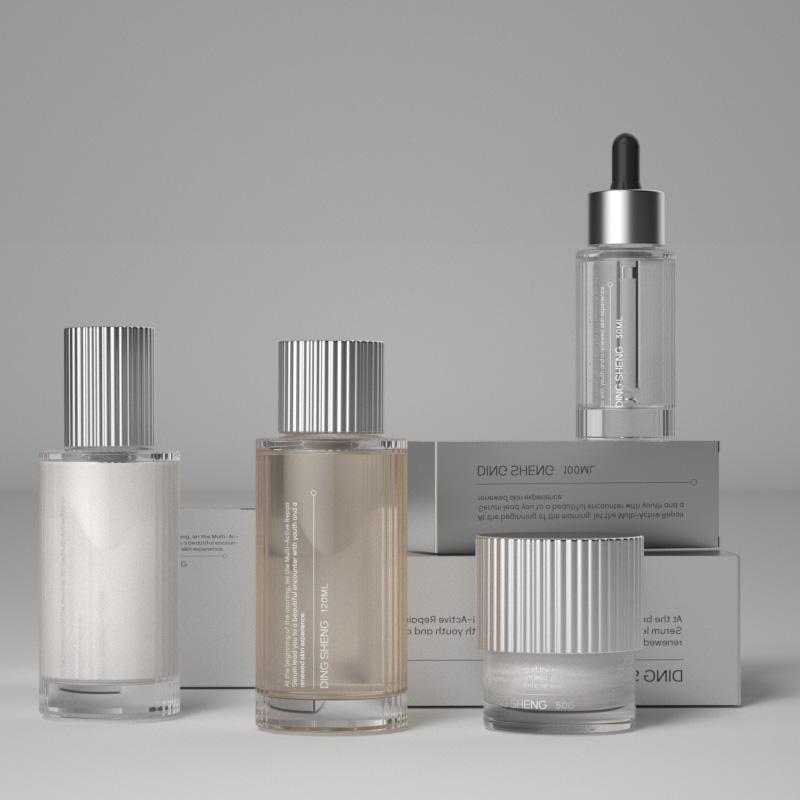
Selecting the optimal packaging begins with a thorough assessment of product characteristics. Beauty formulations vary in viscosity, sensitivity, and chemical composition. Liquids, powders, and pastes each demand specific packaging solutions. For example, high-viscosity creams require wide-neck bottles for easy dispensing, while serums and oils benefit from droppers or pumps. The acidity or oiliness of a product can influence compatibility with glass, as glass remains chemically inert and does not interact with most cosmetic ingredients. This property preserves product integrity and extends shelf life.
Tip: Always match the dispensing mechanism to the product's texture and application method to enhance user experience.
Glass bottles shield contents from external threats such as light and oxygen. Proper sealing prevents contamination and leakage, maintaining stability and effectiveness. Brands must consider whether their formulations are light-sensitive or prone to oxidation. Glass excels in protecting delicate ingredients, making it a preferred choice for premium beauty lines.
Key Product Characteristics for Choosing the Right Glass Bottle Set:
|
Characteristic |
Description |
|---|---|
|
Shape and Size |
Choose a shape that complements your brand and the type of product. Consider size based on the amount of product being offered. |
|
Color |
Darker colors protect light-sensitive products, while clear glass offers a premium look. |
|
Dispensing Mechanism |
Depending on the product, choose between pumps, droppers, or sprays. |
|
Sealing |
Ensure that the bottle has a secure seal to prevent leakage and contamination. |
|
Material Variety |
Cosmetic glass bottles are typically made from various types of glass, including frosted, clear, and colored options. |
|
Sustainability |
Glass is a recyclable material, making cosmetic glass bottles an eco-friendly choice for packaging compared to plastic alternatives. |
|
Preservation of Product Integrity |
Glass containers are non-reactive, ensuring that the contents maintain their quality and effectiveness without leaching harmful chemicals. |
|
Customizability |
Cosmetic glass bottles can be easily customized in terms of shape, size, and design, allowing brands to create unique packaging. |
The size and shape of a bottle influence both usability and shelf presence. Ergonomic designs improve ease of handling and application, which increases customer satisfaction. Unique shapes help products stand out on crowded retail shelves, supporting brand recognition. The chosen size must align with the intended use, minimizing waste and meeting consumer expectations.
Beauty brands often select from several standard bottle types:
|
Bottle Type |
Features and Applications |
|---|---|
|
Round/Cylindrical Bottles |
Straight body panels, consistent diameter; used for shampoos, soaps, lotions, powders, face creams, and beauty essences. |
|
Square/Rectangular Bottles |
Flat sides, clean geometric shapes; ideal for storage, labeling, and branding in cosmetics and pharmaceuticals. |
|
Oval/Flattened Oval Bottles |
Distinct elliptical shape; suitable for lotions, face creams, essences, essential oils, and facial cleansers. |
Note: Combination sets offer versatility, allowing brands to package a range of products with different specifications and functions.
Choosing the Right Glass Bottle Set involves balancing aesthetics with practicality. Brands should select shapes that reflect their identity while ensuring the bottles remain functional for everyday use.
Material selection plays a critical role in product preservation. Glass offers a smooth, easy-to-clean surface that resists contamination. For light-sensitive formulations, the color of the glass becomes essential. Amber glass blocks up to 99% of UV light below 450 nm, making it ideal for vitamins, antioxidants, and photosensitive cosmetics. Cobalt blue glass provides moderate protection, absorbing some UV rays and visible light, which helps slow down degradation.
Comparison of UV Protection in Cosmetic Glass Bottles:
|
Feature |
Cobalt Blue Glass Bottles |
Amber Cosmetic Glass Bottles |
|---|---|---|
|
UV Protection Range |
Blocks UV rays below 450nm |
Blocks UV rays below 500nm |
|
Light Transmission |
Moderate |
Low |
|
Ideal For |
Light-sensitive cosmetic products |
Vitamins, antioxidants, and photosensitive cosmetics |
Amber glass bottles block more than 99% of UV light below 450 nm, offering superior protection for sensitive products.
Cobalt blue glass bottles block 90–95% of UV light below 450 nm, providing less comprehensive protection.
Choosing the Right Glass Bottle Set requires careful consideration of material and color to ensure product safety and longevity. Brands must evaluate whether their formulations need maximum UV protection or if a premium clear glass look better suits their image.
Tip: For products prone to photodegradation, always opt for amber glass to maximize shelf life and maintain efficacy.
Choosing the Right Glass Bottle Set means aligning product needs, usability, and protection with brand goals. This approach ensures that every bottle not only preserves the product but also elevates the customer experience.
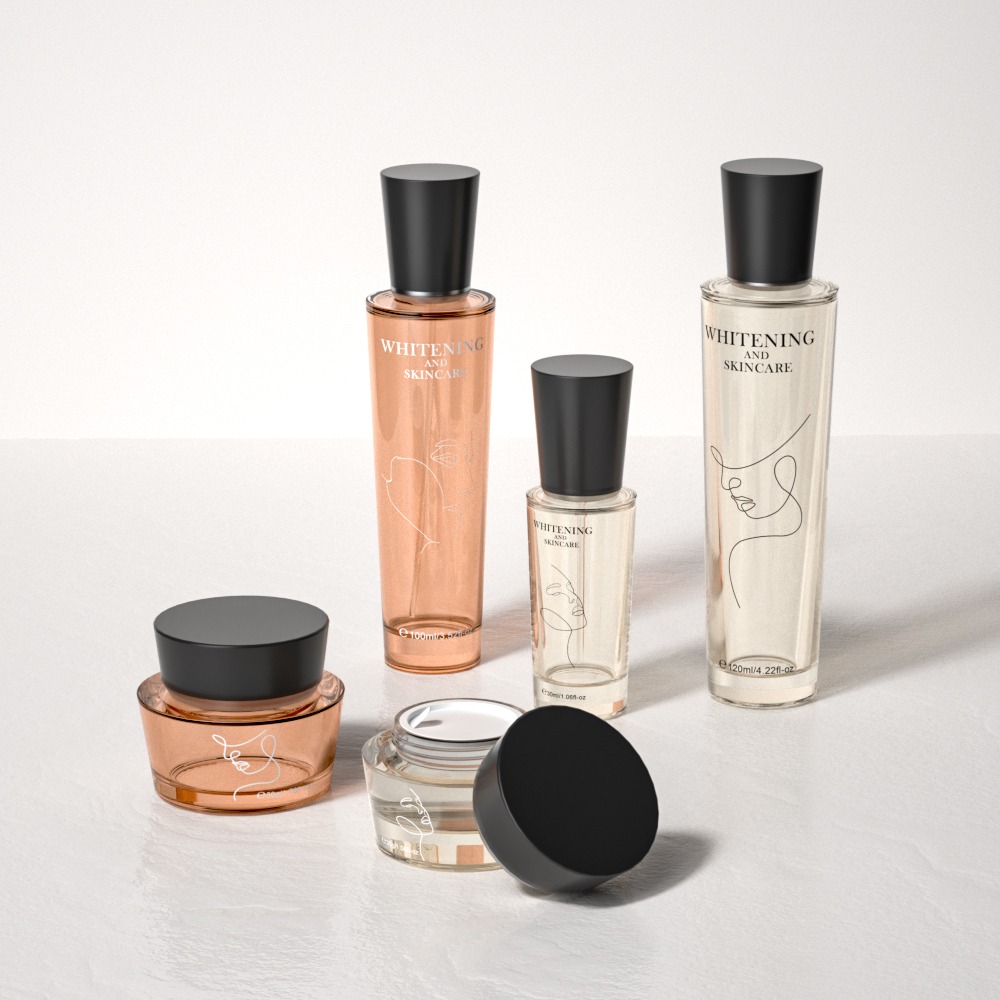
Luxury skincare glass packaging bottles often create the first point of contact between a beauty brand and its customers. A well-crafted bottle reflects the brand’s values and commitment to quality. Luxury designs suggest elegance, while eco-friendly options indicate sustainability. These choices enhance brand storytelling and help products stand out in a competitive market.
Glass bottle design serves as the initial interaction point between brands and customers.
A well-crafted bottle reflects the brand's values and commitment to quality.
Luxury designs suggest elegance, while eco-friendly options indicate sustainability, both enhancing brand storytelling.
Current design trends in the beauty industry include sustainability, color innovation, and unique finishes. Many consumers prefer eco-friendly packaging, which drives the use of sustainable materials. Soft pastels and bold hues cater to both minimalist and vibrant brand identities. Holographic and iridescent finishes add visual appeal, though they may affect production efficiency. Brands must balance eye-catching designs with user-friendliness to ensure customer satisfaction.
Customization allows beauty brands to develop custom cosmetic glass bottle sets that align with their identity and appeal to their target audience. The following table highlights popular customization options for glass bottles:
|
Customization Option |
Description |
|---|---|
|
Color Personalization |
Offers a range of colors from minimalist frosted to bold lacquers, including various glass types. |
|
Decorative Finishes |
Includes effects like frosted, glossy, matte, and more, enhancing visual appeal and texture. |
|
Closure Options |
Various functional closures such as metal caps, sprayers, and droppers to suit different products. |
|
Logo Embossing/Debossing |
Creates tactile brand elements that enhance the unboxing experience and reinforce brand identity. |
Custom-printed or embossed glass bottles provide a tactile experience that consumers associate with quality and luxury. Embossed features reinforce brand identity through physical design elements, enhancing perceived value. The multi-sensory experience created by these bottles strengthens brand recognition and communicates quality.
Closures and dispensing systems play a critical role in product usability and preservation. The choice of closure impacts functionality, safety, and emotional resonance. Dropper pipettes suit thin liquids like serums, offering precise dispensing and minimizing contamination. Jar pump assemblies work best for creams and balms, ensuring nearly complete product usage and reducing contamination risk. Treatment pumps deliver metered doses for viscous products, ideal for targeted applications. Screw caps provide a secure seal for creams and lotions, preventing leakage. Snap-on caps offer quick access for daily use products. Dispensing closures allow for controlled delivery, minimizing waste and maintaining hygiene. Tamper-evident closures reassure consumers about product integrity, while child-resistant closures ensure safety for products with potent ingredients.
Closure design influences user satisfaction and product integrity. Tactile feedback, such as the sound and feel of closures, enhances user confidence in product safety. Choosing the Right Glass Bottle Set means selecting closures and dispensing systems that match the product’s formulation and elevate the customer experience.
Beauty brands must prioritize rigorous quality control when selecting glass bottles. Proactive strategies protect brand reputation and ensure product safety. Manufacturers source pure raw materials to minimize defects. Dimensional accuracy guarantees compatibility with closures and dispensing systems. Visual inspections catch imperfections that could affect shelf appeal. Durability testing simulates transport conditions to confirm resilience. Barrier protection ensures formulas remain unaffected by environmental factors. Automated systems and expert inspectors work together to detect flaws. Collaboration with reputable manufacturers strengthens quality assurance. Brands extend these measures to closures and decorative elements for a flawless final product.
|
Quality Control Measure |
Description |
|---|---|
|
Proactive Strategy |
Quality control should be a proactive approach for brand protection. |
|
Material Sourcing |
Source the purest raw materials to minimize defects. |
|
Dimensional Accuracy |
Ensure precise dimensions for functionality and compatibility. |
|
Visual Inspection |
Control visual imperfections to maintain aesthetic appeal. |
|
Durability Testing |
Conduct rigorous tests to ensure resilience during transport. |
|
Barrier Protection |
Verify the glass bottle's ability to protect product formulas from environmental factors. |
|
Automated and Expert Inspection |
Combine automated systems with human inspection for comprehensive flaw detection. |
|
Manufacturer Collaboration |
Partner with reputable manufacturers who share a commitment to quality. |
|
Closure and Decoration Quality Control |
Extend quality control measures to closures and decorations for a flawless final product. |
Wall thickness and air bubbles directly impact durability and safety. Inconsistent thickness increases breakage risk during filling and shipping. Air bubbles weaken structural integrity, making bottles prone to cracks.
|
Factor |
Impact on Durability and Safety |
|---|---|
|
Wall Thickness Variations |
Inconsistent thickness increases the likelihood of breakage during filling and transportation. |
|
Air Bubbles |
Weaken the structural integrity, making bottles more prone to cracks and breaks. |
Sustainable glass bottles offer eco-friendly solutions for beauty brands. These bottles are fully recyclable and preserve sensitive formulas. They provide a luxurious appearance and allow customization in shape, size, and color. Durability and reusability further enhance their value.
Eco-friendly and fully recyclable
Preserves the integrity of sensitive formulas
Luxurious and premium appearance
Customizable shape, size, and color
Durable and reusable
Brands increasingly choose recycled glass to reduce environmental impact. Recycled glass is 100% recyclable and retains quality through multiple cycles. Using post-consumer recycled glass lowers energy consumption and conserves raw materials. Brands that adopt recycled glass strengthen their ethical image and attract environmentally conscious consumers.
Surge in consumer interest for sustainable products
Glass bottles are popular for their recyclability and aesthetic appeal
Recycled glass can be recycled indefinitely without losing quality
Reduces energy use and raw material consumption
Enhances ethical positioning and appeals to eco-minded buyers
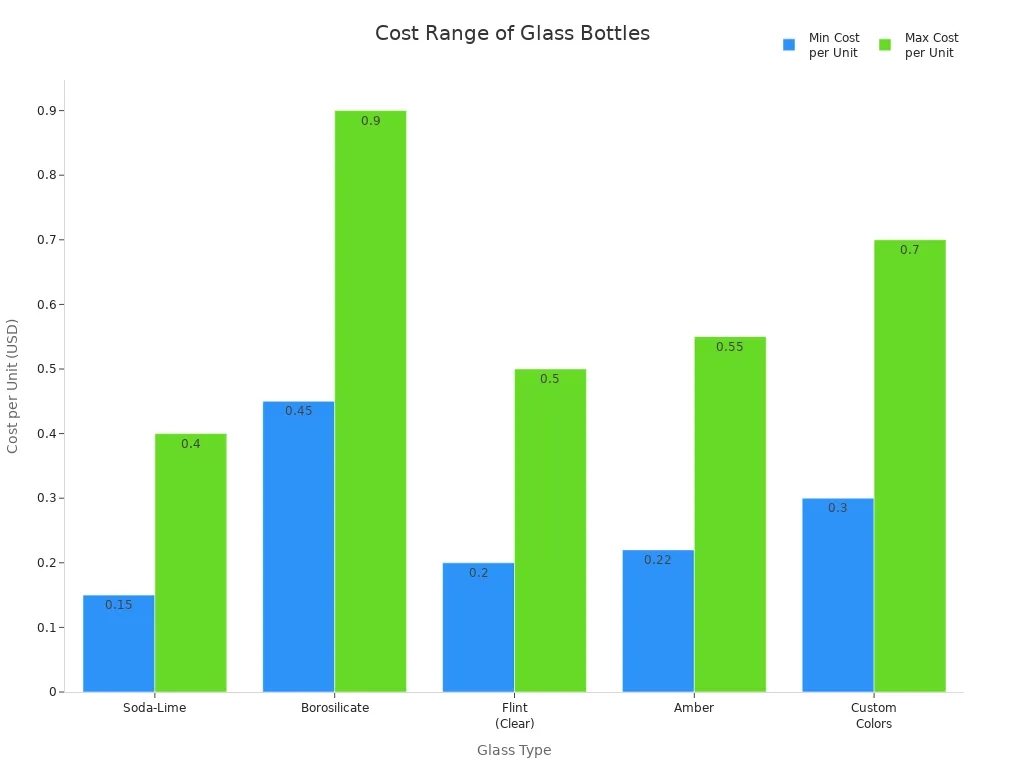
Cost remains a critical factor in packaging decisions. High-quality glass bottles vary in price depending on material and customization. The following table outlines typical cost ranges:
|
Glass Type |
Average Cost Range (per Unit) |
|---|---|
|
Soda-Lime |
$0.15-$0.40 |
|
Borosilicate |
$0.45-$0.90 |
|
Flint (Clear) |
$0.20-$0.50 |
|
Amber |
$0.22-$0.55 |
|
Custom Colors |
$0.30-$0.70 |
Brands can balance quality and budget by ordering in bulk, which reduces per-unit costs by 15-30% for orders over 1,000 units. Longer production runs help amortize setup expenses. Building strong relationships with manufacturers often leads to better pricing. Simplifying bottle design and timing orders for off-season discounts also control costs.
Order in bulk to leverage economies of scale
Commit to long-term supplier relationships for better pricing
Simplify design to minimize extra costs
Time orders strategically for seasonal discounts
Beauty brands that focus on quality, sustainability, and cost efficiency create packaging that supports both product integrity and brand growth.
Beauty brands face many challenges when sourcing glass bottles. They must evaluate suppliers based on production capacity, material selection, and customization options. Reliable suppliers provide quality certifications such as ISO 9001 and SGS, which indicate stable quality systems. Brands should request material reports and performance tests to confirm durability and safety. Inspection ratios reveal how often suppliers check for defects, helping brands gauge output stability.
|
Criteria |
Description |
|---|---|
|
Quality Certifications |
Suppliers should hold certifications like ISO9001 and SGS to ensure stable quality systems. |
|
Production Capacity |
Evaluate the supplier's ability to meet your production needs efficiently. |
|
Material Reports |
Reliable suppliers provide documentation on material quality and performance tests. |
|
Customization Options |
Check for a variety of molds and the ability to create custom designs tailored to your brand. |
|
Inspection Ratio |
Understand the supplier's inspection practices to gauge the stability of their output. |
Brands should also review supplier track records. Certifications such as ISO 9001 and FDA compliance demonstrate a commitment to quality and safety. These credentials help prevent harmful chemical leaching and ensure regulatory compliance.
Tip: Request samples and documentation before committing to large orders. This step helps avoid costly mistakes and ensures product compatibility.
Sample testing plays a vital role in the selection process. Brands assess clarity, color consistency, and sealing performance. They verify material durability, including heat resistance and recyclability. Compliance with FDA, REACH, or EU Cosmetic Directive standards remains essential.
Testing methods include dimensional analysis, wall thickness inspection, and internal pressure testing. Brands also conduct vertical load strength and impact resistance tests to simulate shipping conditions. Chemical durability tests confirm that no harmful substances leach into the product.
|
Test Name |
Purpose |
Relevance to Packaging Safety |
|---|---|---|
|
Hydrolytic Resistance |
Measures resistance to water attack. |
Preserves product stability. |
|
Acid/Alkali Resistance |
Determines resistance to strong acids or bases. |
Prevents container degradation and contamination. |
|
Heavy Metal Leaching |
Tests for leachable heavy metals like lead and cadmium. |
Ensures no toxic substances migrate into the product. |
Mechanical integrity and thermal shock testing ensure bottles withstand high-speed filling and temperature changes. These tests help brands identify potential compatibility or quality issues before full-scale production.
Glass bottles require careful handling during shipping. Brands use the double boxing method for extra cushioning and select sturdy boxes at least six inches larger than the original. Expandable foam and bubble wrap provide maximum protection. Limiting empty space prevents movement and reduces breakage risk.
Use sturdy corrugated cardboard boxes, preferably double-walled for added strength.
Incorporate cushioning materials like foam inserts or air cushions.
Add dividers to separate multiple glass items and prevent collisions.
Logistics providers specializing in fragile goods offer secure packaging, expedited shipping, and customized protective solutions. Climate-controlled storage maintains product quality for skin care items. Brands should test packaging to ensure it withstands transportation challenges.
Choosing the Right Glass Bottle Set involves not only selecting the best design but also ensuring safe delivery and reliable supplier partnerships. These practical steps help beauty brands maintain product integrity and customer satisfaction.
Selecting the right glass bottle set involves careful evaluation of material, design, safety, and sustainability. Brands should:
Prioritize product protection and storage.
Align packaging with brand image and user experience.
Embrace sustainable practices, as most consumers value eco-friendly packaging.
Choosing sustainable glass bottles, such as cobalt blue, builds a narrative of environmental stewardship and luxury.
A simple checklist—confirming hydrolytic class, neck finish, and sample testing—ensures quality. Brands can track success through metrics like customer retention, repeat purchase rate, and Net Promoter Score, reflecting improved satisfaction and loyalty.
Amber glass provides the highest level of UV protection. Brands often select amber bottles for formulas containing antioxidants or vitamins. Cobalt blue offers moderate protection and a premium look.
Brands should request samples and conduct tests for wall thickness, clarity, and sealing. They can review supplier certifications, such as ISO 9001, to confirm quality standards.
Dropper pipettes deliver precise dosing for serums and oils. They minimize contamination and enhance user experience. Brands often choose droppers for products requiring controlled application.
Glass bottles are fully recyclable and reusable. Many beauty brands prefer glass for its eco-friendly properties and premium appearance. Using recycled glass further reduces environmental impact.
|
Glass Type |
Cost per Unit |
|---|---|
|
Soda-Lime |
$0.15–$0.40 |
|
Borosilicate |
$0.45–$0.90 |
|
Amber |
$0.22–$0.55 |
Costs vary by material, customization, and order volume.


Sitemap Blog Xml Privacy Policy
Copyright @2024 Dingsheng (Guangdong) Glass Technology Co.Ltd. All Rights Reserved.  Network Supported