How to Choose a Reliable Glass Cosmetic Bottle Manufacturer in China
Mar 12, 2026
Selecting a reliable glass cosmetic bottle manufacturer in China requires careful evaluation of several factors. Buyers often face challenges such as difficulty in identifying genuine factories, limited customization experience, high minimum order quantities, and communication barriers. Manufacturers in China offer large-scale production, skilled labor, and lower costs compared to many other countries:
Key Differences
China Manufacturers
Other Countries' Manufacturers
Production Scale
Large-scale operations with multiple plants
Varies, often smaller scale
Resource Availability
Rich in skilled labor and established supply chains
May lack similar resources
Labor Costs
Generally lower labor costs
Typically higher labor costs
Quality Control Measures
Stringent quality control throughout production
Varies widely, may not be as rigorous
Technical expertise, strict compliance with industry standards, and robust quality assurance remain crucial when sourcing glass cosmetic bottle solutions.
Key Takeaways
Identify your specific needs for glass cosmetic bottles, including material, design, and compliance with safety standards.
Evaluate manufacturers based on their technical expertise, production capacity, and industry reputation to ensure quality and reliability.
Request samples and verify certifications like ISO and FDA to confirm the safety and quality of the bottles before placing large orders.
Consider customization options to enhance your brand identity, including unique shapes, colors, and labeling techniques.
Utilize B2B platforms, trade shows, or sourcing agents to find trustworthy manufacturers and streamline the sourcing process.
Define Your Glass Cosmetic Bottle Needs
Product Type and Specifications
Before reaching out to manufacturers, buyers should identify the exact type of glass cosmetic bottle required. They need to consider the material, design, dispensing mechanism, and compliance with safety standards. The following table highlights key specifications that help buyers communicate their needs clearly:
Specification Type
Details
Material Types
Borosilicate glass for resilience and premium aesthetic.
Design Styles
Options for luxury essence oils and high-end skin care preparations.
Dispensing Mechanisms
Various mechanisms to suit different product types.
Compliance with Standards
Adherence to quality standards for safety and effectiveness.
Buyers should also think about the shape, size, color, and finish of the bottle. Compatibility between the cosmetic formula and the bottle material ensures product stability. Environmental impact matters, so sustainable materials are increasingly popular.
Order Quantity and Budget
Order quantity plays a major role when sourcing bulk skin care glass packaging. High-volume orders often unlock more competitive pricing and advanced surface treatment options.
Minimum Order Quantity
Customization Options
Phased Deliveries
300,000 pcs
Yes
Yes
Buyers must balance quality with affordability. They should set a clear budget and confirm if phased deliveries are possible. Reliable suppliers help maintain quality control and timely delivery.
Customization and Branding
Manufacturers in China provide extensive customization and branding options for glass cosmetic bottle orders. Buyers can personalize bottles through:
Custom shapes, cap colors, and labeling techniques such as silk screening or etching.
Frosted or colored glass for UV protection and premium appearance.
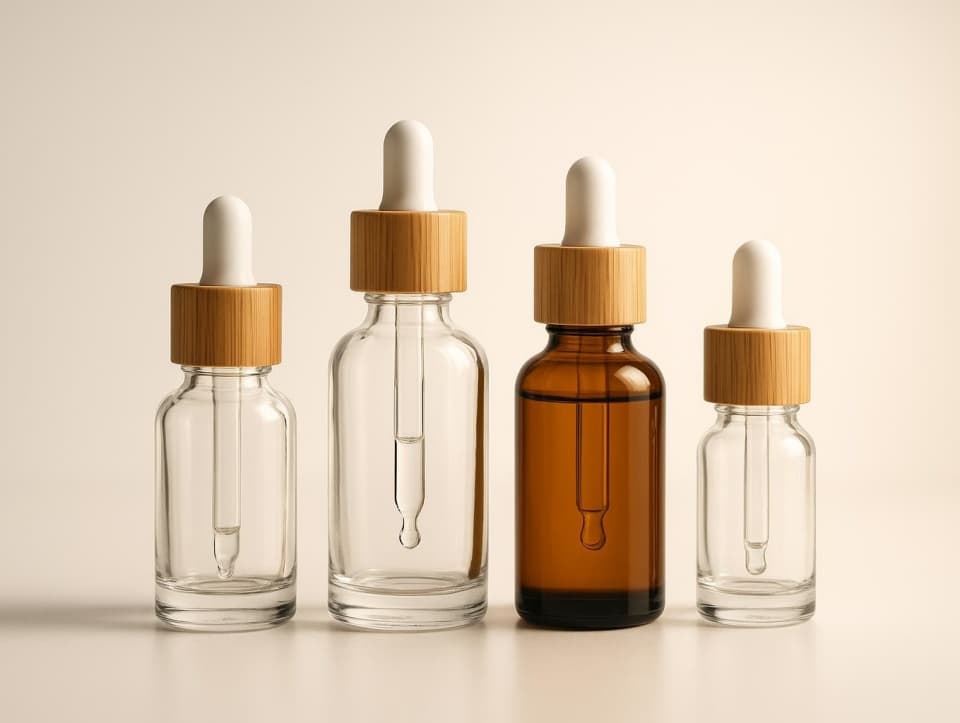
Eco-friendly closures like bamboo lids and cork stoppers for artisanal brands.
Custom labeling, embossing, and engraving for unique brand identities.
Comprehensive personalization with various shapes, color selections, and custom closures.
Advanced mold-making technologies for unique shapes tailored to brand aesthetics.
Multiple printing methods for different design complexities and durability.
Buyers should clarify their requirements, propose design ideas, and confirm product drawings before finalizing mold designs. Clear communication ensures that everything from slim lotion bottles to custom cosmetic glass jars for creams matches the brand’s vision and specific functional requirements.
Evaluating Cosmetic Bottle Suppliers in China
Technical Expertise and Team
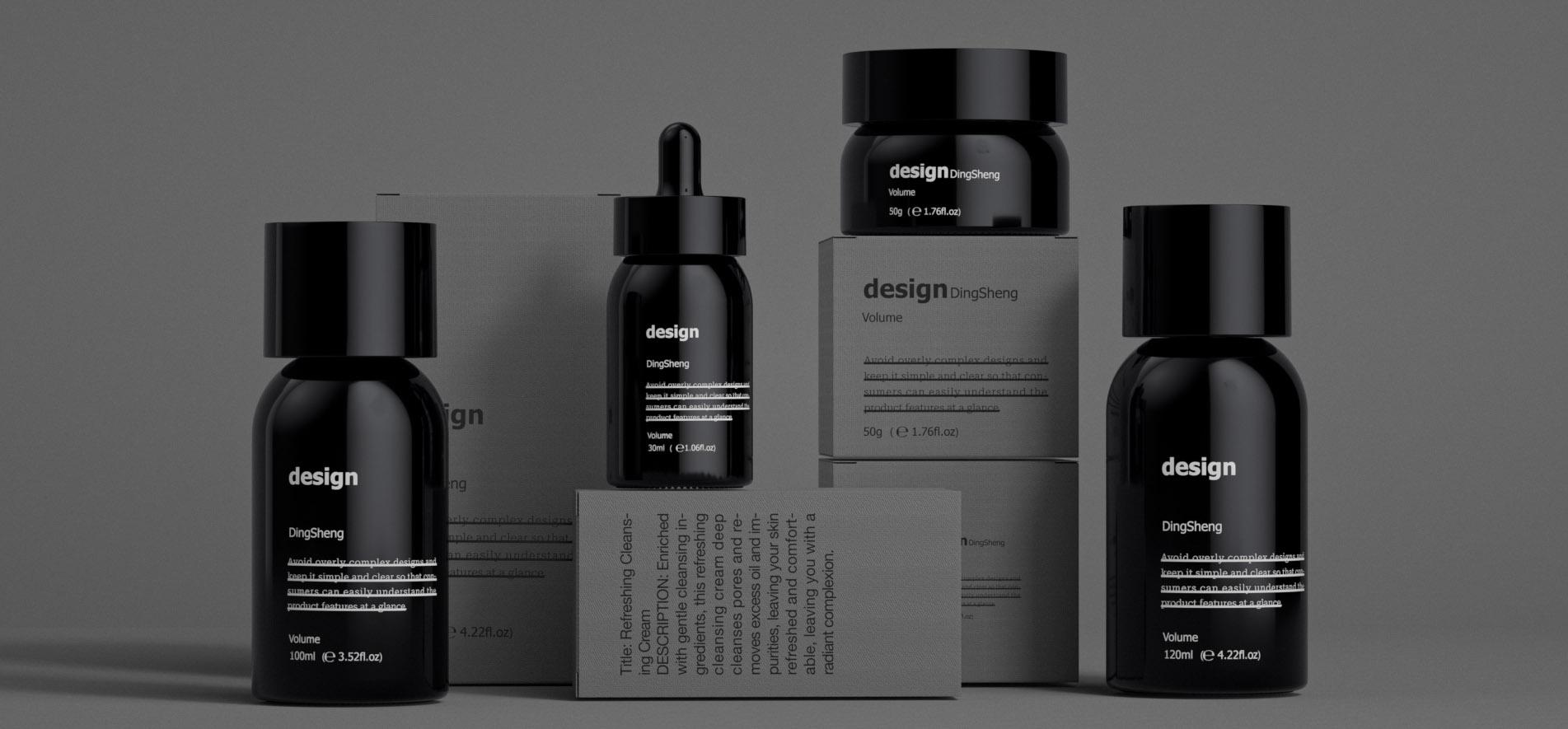
When evaluating cosmetic bottle manufacturers, buyers should examine the technical expertise of the supplier’s team. A skilled team ensures that the manufacturer can handle complex customization requests and maintain high-quality standards. Leading cosmetic bottle suppliers in China, such as Dingsheng (Guangdong) Glass Technology Co., Ltd., demonstrate their expertise through certifications like ROHS, REACH, CE, and ISO. With years of deep industry experience, Dingsheng offers advanced customization options for various bottle types, including serum, wholesale glass dropper bottles, and lotion bottles. High-quality manufacturing standards reflect a supplier’s commitment to excellence. Buyers should also verify the supplier’s ability to ensure material quality, sealing precision, and structural robustness.
Supplier Name
Specialization
Certifications
Experience / Inventory
Dingsheng (Guangdong) Glass
Wholesale glass dropper bottles & High-end cosmetic packaging
ISO 9001, FDA, ROHS, CE
Specialized in 30ml-100ml dropper series
Industry Standard
General cosmetic glass bottles
ISO-certified
Varies by manufacturer
Production Capacity
Production capacity plays a critical role in selecting cosmetic bottle manufacturers. Larger manufacturers can handle bulk orders and offer reliable delivery schedules. For example, Dingsheng (Guangdong) Glass Technology Co., Ltd. offers flexible production scales to accommodate various client needs, ranging from small-batch bulk skin care glass packaging for startups to large-scale supply chains for global brands. Our advanced facilities ensure consistent quality across all order volumes. These cosmetic bottle suppliers support startups, boutique brands, and global cosmetic companies. Advanced production capabilities allow manufacturers to maintain consistent quality and meet tight deadlines. Buyers should confirm that the supplier’s capacity aligns with their order volume and delivery expectations.
Industry Reputation
Industry reputation provides insight into the reliability of cosmetic bottle suppliers. Buyers should review metrics such as factory scale, responsiveness, delivery reliability, and market reputation. High on-time delivery rates and positive review scores indicate trustworthy cosmetic bottle manufacturers. Many buyers return to reputable suppliers, as shown by high reorder rates. Consistent communication and strong online revenue also reflect a supplier’s standing in the industry.
Tip: Selecting dependable cosmetic bottle suppliers in China helps maintain product quality, ensures cost efficiency, and supports long-term supply stability.
Evaluating these factors helps buyers choose cosmetic bottle manufacturers that meet their technical, production, and reliability needs.
Quality and Certification Standards
Selecting a glass cosmetic bottle manufacturer in China requires a strong focus on quality and adherence to recognized standards. Buyers should always verify that suppliers meet international requirements and maintain certified quality throughout production. This section explains the most important standards, quality control systems, and testing procedures that ensure safe and reliable cosmetic packaging.
ISO, FDA, and GMP Compliance
Manufacturers that follow ISO, FDA, and GMP standards demonstrate a commitment to quality and safety. ISO 9001, ISO 22716, and ISO 15378 are some of the most important certifications for glass cosmetic bottle production. These standards cover quality management, good manufacturing practices, and packaging for medicinal products. FDA and CFDA certifications show that the manufacturer meets strict safety and health requirements for cosmetic packaging. GMP compliance ensures that every step of the production process follows strict hygiene and quality rules.
Compliance Standard
Impact on Export Potential
FDA
Ensures safety and consumer trust, enhancing competitiveness in global markets.
EU REACH
Facilitates market access by meeting safety requirements for cosmetic products.
ISO 9001
Indicates quality management, improving brand reputation and market positioning.
Manufacturers that achieve certified standards compliance can access more markets and build trust with international buyers. Tightening environmental regulations and energy standards have increased compliance costs, but these investments help maintain high quality and global competitiveness.
Quality Control Processes
A reliable manufacturer uses strict quality control systems to guarantee product safety and consistency. Certified quality and material safety are crucial, especially for packaging that comes into contact with cosmetics. Manufacturers use food-grade glass and test for harmful substances like lead and cadmium. Dedicated inspection departments check every batch for defects and ensure that all bottles meet dimensional and durability requirements.
Key quality control processes include:
Compliance with international standards certification, such as FDA, ISO 9001, CE Marking, and RoHS.
Material quality checks to confirm the use of safe, food-grade glass.
Rigorous inspection systems that involve 100% inspection for size, shape, and durability.
Quality Control Process
Description
Compliance with International Certifications
Adherence to FDA, ISO 9001, CE Marking, RoHS, and third-party testing reports ensures safety and quality.
Material Quality
Ensures the use of food-grade glass and tests for harmful substances like lead and cadmium.
Rigorous Inspection Systems
All products undergo 100% inspection for dimensional consistency and durability.
Strict quality control helps manufacturers deliver consistent results and maintain a strong reputation in the industry. Buyers should always ask about these systems before placing an order.
Sample Testing and Reports
Before making a final decision, buyers should request product samples and review detailed testing reports. Testing helps confirm that the bottles meet all quality and safety standards. Manufacturers should provide third-party test results for lead content, durability, and chemical resistance. Sample testing allows buyers to check the appearance, weight, and performance of the bottles before committing to a large order.
Tip: Always review sample testing results and certification documents before signing a contract. This step protects your brand and ensures that the final product meets all required standards.
Testing and certified quality reports give buyers confidence in the supplier’s ability to deliver safe and reliable glass cosmetic bottles. By following these steps, buyers can avoid costly mistakes and ensure that their products meet both local and international standards.
Service and Customization Options
OEM and ODM Services
Many glass cosmetic bottle manufacturers in China offer both OEM and ODM services. These services allow brands to choose the best approach for their product development. OEM services let clients provide their own designs and specifications. The manufacturer then produces bottles according to these requirements. ODM services give clients access to the manufacturer's existing designs, which they can modify and brand as their own. Some suppliers also support custom projects, including unique branding through custom molds and 3D modeling. This process covers everything from design to production.
Service Type
Description
OEM
The client provides specifications and designs, and the manufacturer produces accordingly.
ODM
The manufacturer offers its own designs, which clients can modify and brand.
Custom Projects
Development of unique branding through custom molds and 3D modeling, with full design support.
These options give brands flexibility and control over customization, helping them stand out in the competitive cosmetics market.
After-Sales Support
Reliable after-sales support is essential for long-term business relationships. Leading manufacturers in China provide comprehensive post-sale services. They offer product warranties, technical assistance, and quick resolution of any issues. Clients receive help with challenges related to product use or quality. Manufacturers often supply spare parts and extended technical assistance to ensure smooth operations.
Service Type
Description
Post-Sale Services
Comprehensive support after the sale to ensure customer satisfaction.
Product Warranty
Assurance of product quality with a commitment to resolve issues quickly.
Technical Assistance
Expert help available for any challenges encountered with the products.
Spare Parts
Supplies necessary components to maintain product functionality over time.
Quick Resolution
Addresses defects or quality problems promptly, providing replacements or compensation.
Strong after-sales support builds trust and encourages repeat business.
Communication and Responsiveness
Effective communication plays a key role in successful partnerships. Manufacturers with clear and responsive communication help clients manage orders and resolve concerns quickly. They answer questions about customization, production timelines, and logistics. Fast responses reduce misunderstandings and keep projects on track. Good communication also supports smooth customization processes, making it easier for brands to achieve their desired results.
Tip: Brands should choose manufacturers who respond promptly and provide clear updates throughout the order process.
Sourcing Channels for Glass Cosmetic Bottles
Choosing the right sourcing channel helps brands find a reliable manufacturer and supplier in China. Each channel offers unique benefits for buyers who want to ensure product safety, quality, and efficiency.
B2B Platforms
Many buyers use B2B platforms to connect with a manufacturer or supplier in China. These platforms make sourcing easier by listing thousands of glass cosmetic bottle options. Popular choices include:
Alibaba, which serves as a primary platform for sourcing glass cosmetic bottles from China.
Guangdong Province, known as a major manufacturing hub, hosts over 70% of cosmetic packaging producers. This region supports fast production and logistics for buyers.
Shandong Province, which specializes in glass manufacturing, provides high-quality cosmetic glass bottles with strict safety and quality control.
B2B platforms allow buyers to compare suppliers, review manufacturer certifications, and request samples. These steps help ensure safety and product consistency.
Trade Shows in China
Trade shows in China give buyers a chance to meet a manufacturer or supplier face-to-face. Events like the Canton Fair and China Beauty Expo showcase the latest glass cosmetic bottle designs and innovations. Buyers can inspect product quality, discuss safety standards, and negotiate directly with suppliers. Trade shows also help buyers understand market trends and build strong relationships with a manufacturer in China.
Tip: Attending trade shows allows buyers to verify supplier credentials and see real product samples, which increases sourcing confidence.
Sourcing Agents
Sourcing agents in China act as intermediaries between buyers and a manufacturer or supplier. They help buyers find the right supplier, negotiate prices, and manage quality checks. Sourcing agents often have deep knowledge of the local market and can improve communication and safety assurance. However, buyers should consider both the advantages and disadvantages:
Advantages of Sourcing Agents
Disadvantages of Sourcing Agents
Saves Time
Higher Costs
Access to Expertise
Less Direct Control
Better Supplier Relationships
Trust Issues
Improved Quality Assurance
Dependency
Easier Communication
N/A
Buyers should choose a sourcing agent with a strong reputation for safety and reliability. Careful selection helps avoid trust issues and ensures smooth sourcing from China.
Cost Factors for Sourcing Glass Cosmetic Bottles
For B2B buyers sourcing wholesale glass dropper bottles or custom cosmetic glass jars, several key factors will influence the final cost:
Order Volume (MOQ): Scaling your order up typically reduces the cost per unit. We offer flexible production lines to accommodate both boutique batch runs and large-scale global distributions for bulk skin care glass packaging.
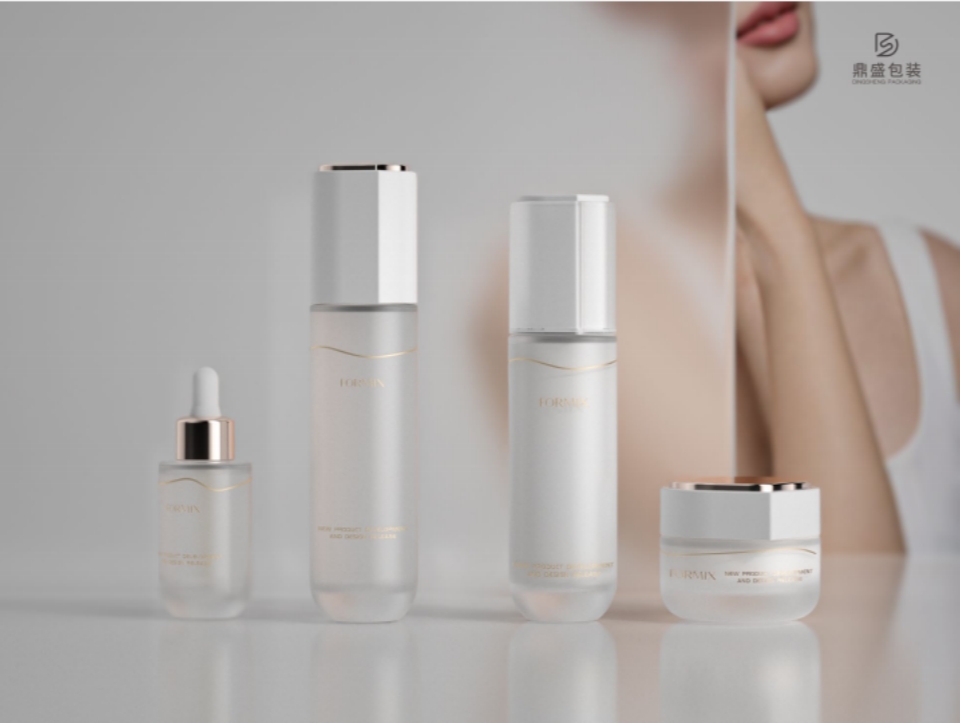
Customization & Surface Treatment: Advanced finishes like frosting, color coating, hot stamping, or custom 3D embossing will add to the unit cost but significantly elevate your brand's premium feel.
Cap and Closure Types: The choice between standard plastic pumps, eco-friendly bamboo lids, or premium metallic droppers will impact the overall price of the packaging set.
Material Quality: Opting for specialized glass, such as high-durability amber glass for UV protection, may have different pricing structures compared to standard clear glass.
By sourcing directly from a certified manufacturer like Dingsheng, you eliminate middleman markups and secure the best possible value for your packaging investment.
Red Flags to Avoid
Selecting the wrong manufacturer can lead to costly mistakes. Buyers should watch for these common red flags:
Unwillingness to provide references
Refusal to sign NDAs
Inconsistent sample quality
Vague answers about material sourcing
Tip: Practicing active listening, offering compromises, and using market data can help buyers negotiate better deals. Leveraging multiple offers and summarizing agreements also strengthens the final decision.
Choosing a reliable glass cosmetic bottle manufacturer in China involves several important steps. Buyers should assess production capabilities, review customization options, and confirm certifications. They need to check for strong quality control and after-sales support. A helpful checklist includes material selection, sourcing channels, and a three-tier QC process. Brands should reach out to potential suppliers, request samples, and verify export experience. Careful evaluation ensures safe, high-quality packaging and long-term business success.
FAQ
What certifications should a cosmetic bottle manufacturer in China have?
Buyers should look for ISO, FDA, and GMP certifications. These standards confirm quality management and material safety. Certified manufacturers help brands meet international regulations and ensure safe packaging for cosmetics.
How can buyers verify material safety when sourcing cosmetic bottles?
Buyers can request third-party test reports and sample bottles. Reliable manufacturers provide documentation that proves material safety. Testing ensures bottles do not contain harmful substances and meet cosmetic industry standards.
Can brands customize cosmetic bottles for unique designs?
Manufacturers in China offer customized solutions. Brands can customize cosmetic bottles by choosing shapes, colors, and closures. Advanced mold-making and printing methods allow for unique branding and product differentiation.
What is the best way to buy cosmetic bottles from China?
Buyers can use B2B platforms, attend trade shows, or hire sourcing agents. Each channel offers different advantages. Buyers should compare suppliers, request samples, and check certifications before making a decision to buy cosmetic bottles.
Why is after-sales support important for cosmetic bottle orders?
After-sales support helps brands resolve quality issues quickly. Manufacturers provide warranties, technical assistance, and spare parts. Strong support ensures smooth operations and builds trust between buyers and suppliers in the cosmetic industry.




 Network Supported