

Knowledge
Pick up a $200 high-end serum and a $15 drugstore alternative. Before you read the label, before you check the ingredients, your brain has already made a judgment about their respective values. The primary trigger for this instant valuation isn't the graphic design—it is the physical weight of the container.
In the competitive beauty market, tactile experience dictates brand positioning. For brand founders and product developers sourcing Custom Cosmetic Glass Bottles, the structural design of the base is an easily overlooked detail that significantly impacts consumer perception. Specifically, the thick-bottom design (often referred to in the industry as a heavy-base or high-glass-weight base) serves as a silent, immediate communicator of premium quality.
Let's break down the physical, psychological, and manufacturing dynamics behind thick-bottom glass packaging and why it matters for your next product launch.
Haptic perception—how we understand objects through touch—plays a fundamental role in consumer psychology. Multiple retail studies demonstrate a direct correlation between the physical weight of a product and its perceived monetary value.
When a consumer holds a heavy glass bottle, their brain subconsciously registers terms like substance, permanence, and quality. A lightweight plastic or thin-walled glass bottle, conversely, triggers associations with cost-cutting and mass production.
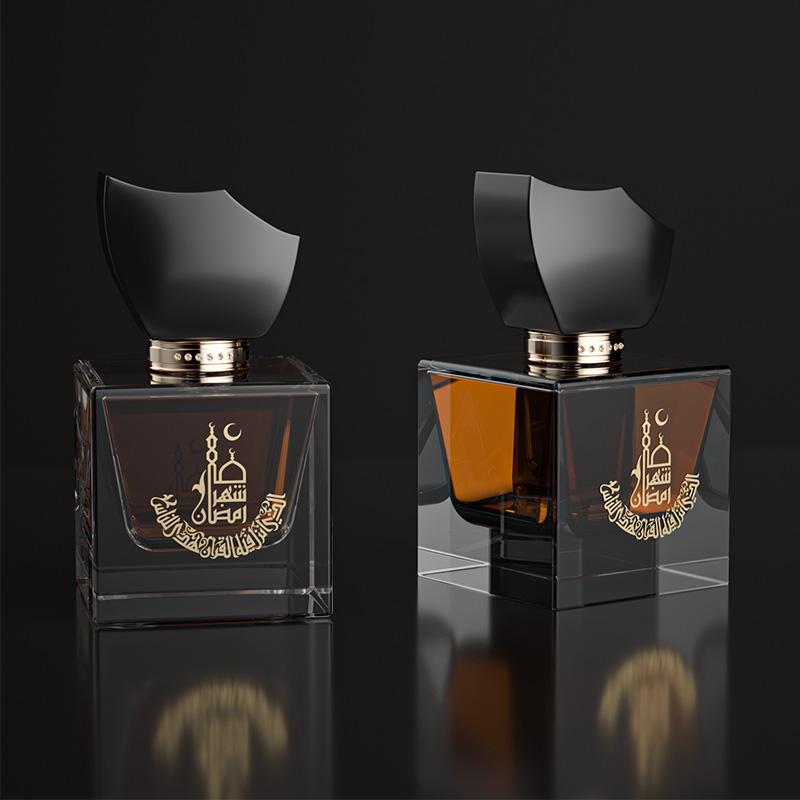
This is an optical and tactile illusion working in tandem. The external footprint of a 30ml heavy-base bottle is notably larger than a standard 30ml bottle. It takes up more real estate on the vanity, feels substantial in the palm, and physically grounds the product.
Based on industry haptic feedback testing for 30ml capacity containers.
| Container Type | Average Empty Weight | Base Glass Thickness | Consumer "Premium" Rating (Out of 10) | Expected Price Point |
|---|---|---|---|---|
| Standard PET Plastic | 12g - 18g | N/A | 3.5 | Entry-level |
| Standard Thin-Wall Glass | 45g - 55g | 2mm - 4mm | 6.0 | Mid-tier |
| Heavy-Base Glass | 85g - 120g+ | 10mm - 25mm | 9.2 | Luxury / Prestige |
Notice how a seemingly small increase in base thickness doubles the empty weight of the container, driving a disproportionate increase in the consumer's perceived value.
Beyond weight, thick-bottom glass physically alters how your skincare formula looks. Glass has a high refractive index. When a thick base is introduced, it acts as a subtle prism.
Light entering the bottle travels through the formula and then through the dense glass bottom. This creates a magnification effect. If your product is a lightly tinted oil, a suspended gel, or contains active beads, a heavy glass base catches retail lighting and bounces it back through the product. It gives the liquid a luminous, suspended appearance that thin-walled bottles simply cannot replicate.
This optical advantage is a primary reason why high-end Thick-Bottom Glass Dropper Bottles are the industry standard for premium vitamin C serums, face oils, and liquid highlighters. The base creates a visual separation between the surface the bottle sits on and the liquid itself, framing the formula like a piece of jewelry.
Understanding the physical benefits is only half the equation. Brand owners must also understand why this packaging commands a higher unit price from manufacturers. It is not merely the cost of raw silica and soda ash; the cost lies in the complex physics of the glass molding process.
Glass bottles are formed by dropping a "gob" of molten glass into a mold and blowing it into shape. When you design a bottle with a 15mm thick solid glass base and 3mm thin side walls, you create a massive temperature disparity during the cooling phase.
This extended time on the manufacturing line reduces the total daily output of the factory, which directly translates to a higher cost per unit for the brand.
| Metric | Standard Glass Bottle | Thick-Bottom Glass Bottle |
|---|---|---|
| Center of Gravity | Mid-to-high | Extremely low |
| Tipping Risk on Filling Line | Moderate (requires pucks) | Very low (highly stable) |
| Material Distribution | Even | Asymmetrical (bottom-heavy) |
| Cooling Cycle Time | Fast | Slow (Extended Annealing) |
This lower center of gravity is an operational asset. If you are running high-speed filling lines, bottles with a heavy base are far less likely to tip over on conveyor belts, reducing product waste and line downtime.
While a thick glass base is a powerful tool for elevating a product, it requires strategic application. Upgrading to Wholesale Luxury Skincare Glass Packaging impacts your entire supply chain, from freight to secondary boxes.
When to specify a thick-bottom design:
When to reconsider:
Selecting the correct glass architecture is a balance of physics, manufacturing feasibility, and brand positioning. The weight of your bottle speaks to your customer long before the formulation touches their skin.


Sitemap Blog Xml Privacy Policy
Copyright @2024 Dingsheng (Guangdong) Glass Technology Co.Ltd. All Rights Reserved.  Network Supported