

Knowledge
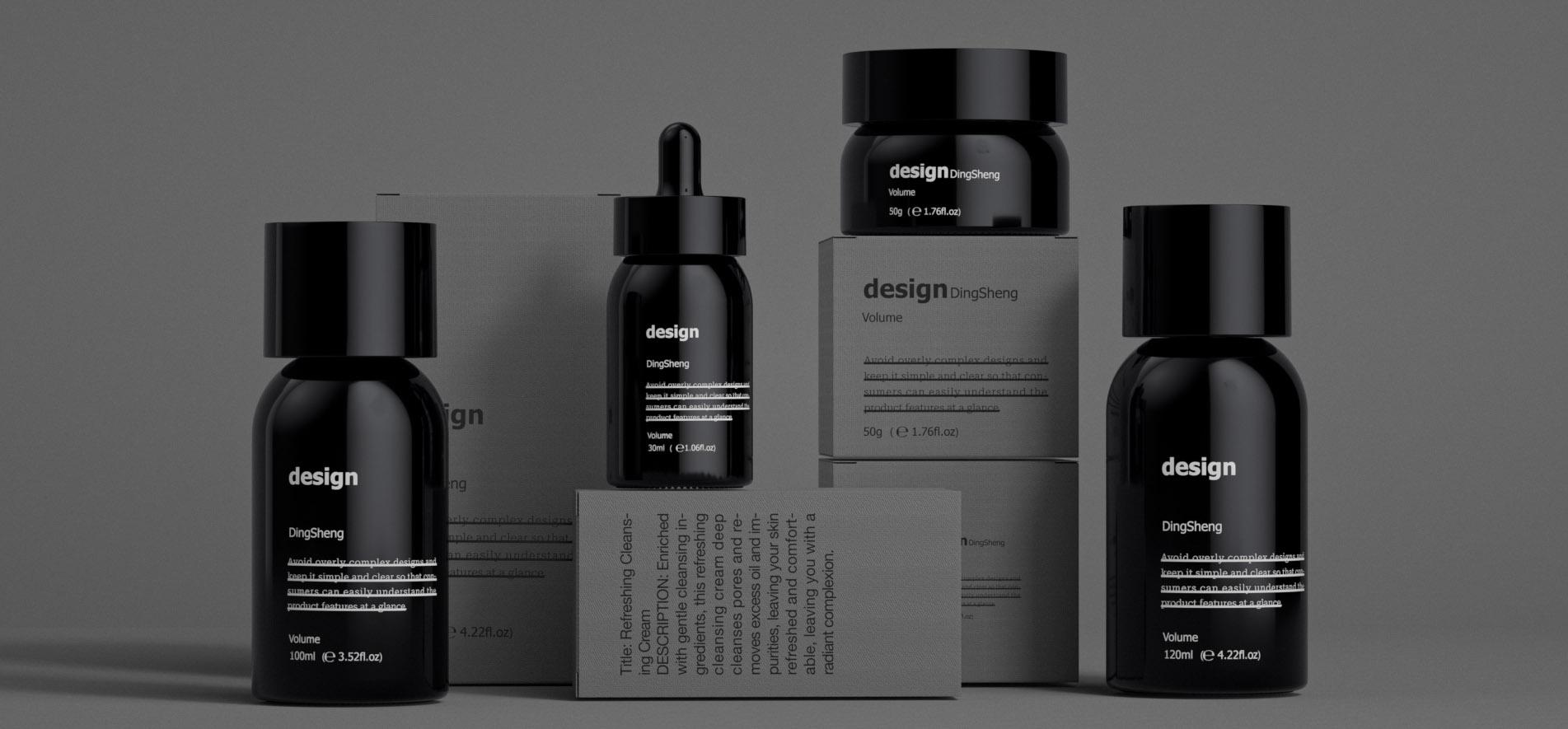
Glass stands out as the preferred material for premium glass skincare bottles, especially toners. It does not absorb or react with formulas. This quality keeps sensitive ingredients safe from contamination. Users trust glass to maintain product purity. Manufacturers choose glass because it protects both the formula and the user. The material’s stability ensures the best experience for those who care about effective skincare.
Glass toner bottles keep skincare formulas pure by preventing contamination and chemical reactions.
Using glass packaging supports sustainability, as it is highly recyclable and reduces environmental impact.
Glass protects sensitive ingredients from light and air, ensuring they remain effective and safe for users.
Consumers prefer glass for its luxurious feel and eco-friendly image, enhancing brand perception.
Despite being heavier and more fragile, the benefits of glass packaging outweigh its challenges in skincare.
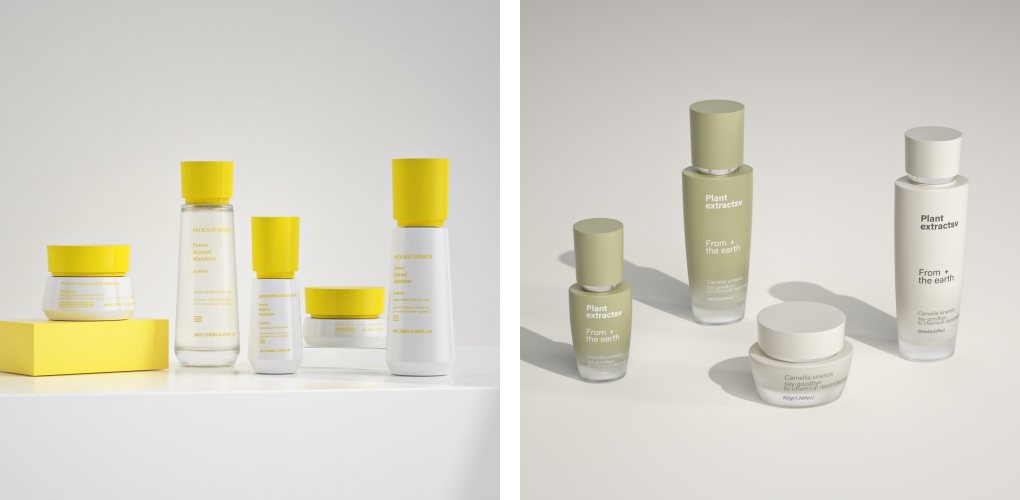
Glass offers a unique advantage for Skincare Toner Bottles because it does not absorb or release substances. This nonporous quality means that air, moisture, and contaminants cannot pass through the material. As a result, the contents remain pure and stable throughout their shelf life. Glass also resists chemical reactions, even when exposed to active ingredients or essential oils. This stability prevents unwanted changes in the formula.
Glass provides UV protection, which helps preserve the integrity of natural ingredients.
It does not react with chemicals, so it prevents contamination of the toner.
The material is impermeable, which means air cannot degrade active ingredients.
Glass maintains its shape and protective qualities, even with temperature changes.
The nonporous nature of glass also prevents several common issues found in other packaging materials:
|
Benefit |
Explanation |
|---|---|
|
Air infiltration |
Prevents oxidation of natural astringents. |
|
Volatile loss |
Ensures the toner’s fragrance and effectiveness stay intact. |
|
Bacterial contamination |
Allows for easy sterilization during the filling process. |
These qualities make glass a reliable choice for maintaining the safety and effectiveness of skincare products.
Many skincare formulas contain delicate ingredients that require extra protection. Glass acts as a superior barrier against oxygen, which helps prevent oxidation of sensitive components. Amber and other colored glass types can filter harmful UV rays, shielding light-sensitive ingredients such as Vitamin C. Plastic packaging often needs extra additives to offer similar protection, but these may not work as well as glass’s natural properties.
Glass provides a strong barrier against oxygen, which keeps ingredients from breaking down.
Colored glass can block UV rays, protecting formulas that include light-sensitive elements.
The material does not leach harmful substances, so it keeps the product pure.
Preserving the quality of essential oils and serums is critical for both safety and effectiveness. The following table highlights why ingredient preservation matters in Skincare Toner Bottles:
|
Factor |
Importance in Preservation |
|---|---|
|
Light Exposure |
Prevents degradation of light-sensitive ingredients by using opaque or UV-protective packaging. |
|
Oxygen Permeability |
Reduces oxidation of ingredients, maintaining efficacy and preventing irritation with low-permeability packaging. |
|
Moisture |
Protects water-sensitive ingredients by using moisture barrier materials to prevent composition alteration. |
|
Chemical Compatibility |
Ensures no adverse reactions between packaging and ingredients, preserving stability and efficacy. |
|
Temperature Stability |
Protects against temperature fluctuations that can alter product consistency and effectiveness. |
|
Durability |
Maintains integrity of the formulation by using robust packaging materials. |
|
Preservative Needs |
May reduce the need for preservatives if antimicrobial packaging is used, enhancing product safety. |
Glass packaging supports all these factors, making it the preferred material for those who want to keep their skincare formulas safe and effective.
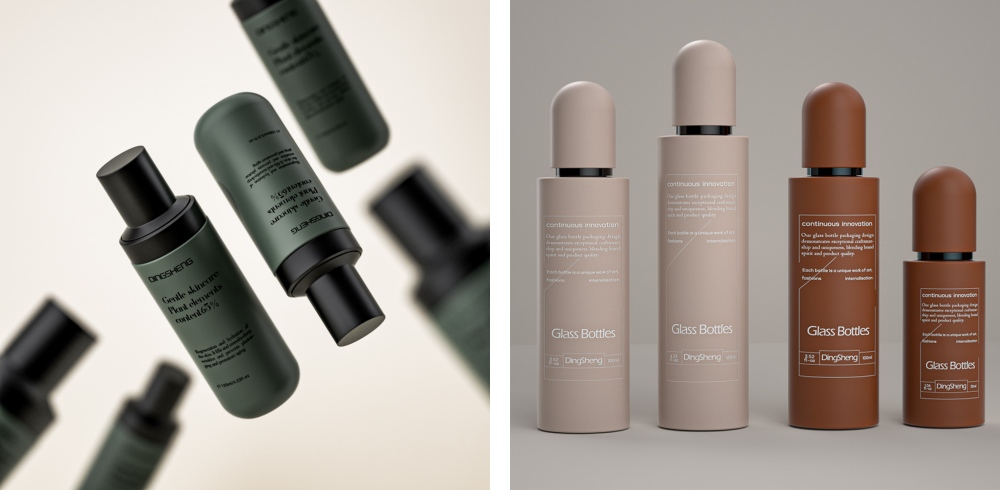
Many people choose glass for Skincare Toner Bottles because it does not react with skincare formulas. Glass remains chemically inert, so it does not release any substances into the product. In contrast, plastic containers can leach harmful chemicals, especially when they hold oil-based or alcohol-rich products. Some plastics may release phthalates or BPA, which can affect both the formula and the user’s health. Sensitive skin types benefit from glass packaging because it offers greater stability and safety.
Glass does not interact with active ingredients or essential oils.
Plastics may release unwanted chemicals, especially under heat or with certain formulations.
Glass provides a safer option for those who want to avoid exposure to potential toxins.
The choice of cosmetic glass packaging plays a key role in protecting skincare toners from environmental threats. Glass shields the product from light, air, and microorganisms, which helps maintain the effectiveness of active ingredients. Proper packaging prevents contamination and keeps the formula stable over time. When manufacturers use inadequate packaging, the product may degrade, which can affect both safety and integrity.
Glass packaging helps preserve the original quality of the toner.
It reduces the risk of contamination by acting as a strong barrier.
Regulations often restrict the use of certain chemicals in packaging, such as BPA and phthalates, to protect consumers.
Accurate labeling and environmental claims are required by law, ensuring transparency and safety for users.
Tip: Choosing glass packaging for skincare products can help users avoid unnecessary exposure to chemicals and maintain the quality of their skincare routine.
Glass stands out as a sustainable choice in the cosmetics industry. It is one of the easiest materials to recycle. Most glass packaging contains recycled content, which supports environmental goals. Unlike plastic, glass can be recycled multiple times without losing quality. This process reduces the need for new raw materials and lowers energy consumption. The following table shows the recycling rates for glass and plastic packaging worldwide:
|
Material |
Recycling Rate (%) |
|---|---|
|
Glass |
31.3 |
|
Plastic |
29 |
These numbers show that glass has a higher recycling rate than plastic. This advantage helps reduce waste and supports a circular economy.
Many people reuse glass bottles because they remain strong and do not degrade after washing. Empty glass skincare containers can be cleaned and refilled, which extends their life and reduces waste. The environmental impact of reusing glass bottles is much lower than using single-use plastic bottles. The table below compares the two materials:
|
Aspect |
Glass Bottles |
Plastic Bottles |
|---|---|---|
|
Recyclability |
Can be recycled endlessly without loss |
Often made from mixed materials, difficult to recycle |
|
Environmental Impact |
Supports long-term sustainability goals |
Contributes to pollution and waste |
|
Product Protection |
Inert material, preserves product purity |
Can leach chemicals into products |
|
Consumer Perception |
Conveys luxury and sustainability |
Often seen as less premium |
Glass packaging meets the demand for environmentally responsible options. It does not contribute to landfill waste or ocean pollution. Using glass also reduces the carbon footprint linked to new packaging production.
Consumers often view glass packaging as more appealing because of its luxurious feel. The non-reactive nature of glass ensures product safety and maintains the integrity of skincare formulas. Many people prefer glass because it aligns with eco-friendly values. Research shows that glass packaging is popular in the skincare sector, especially for premium products. Its appearance enhances the user experience and creates a positive impression.
Glass packaging enhances the perceived value of luxury skincare products and aligns with consumer preferences for eco-friendly materials. Its non-porous nature preserves product integrity, while its aesthetic appeal exudes luxury, allowing brands to stand out in a crowded market.
People are increasingly aware of the environmental impact of their purchases. Glass packaging supports sustainability and offers a premium experience for users of Skincare Toner Bottles.
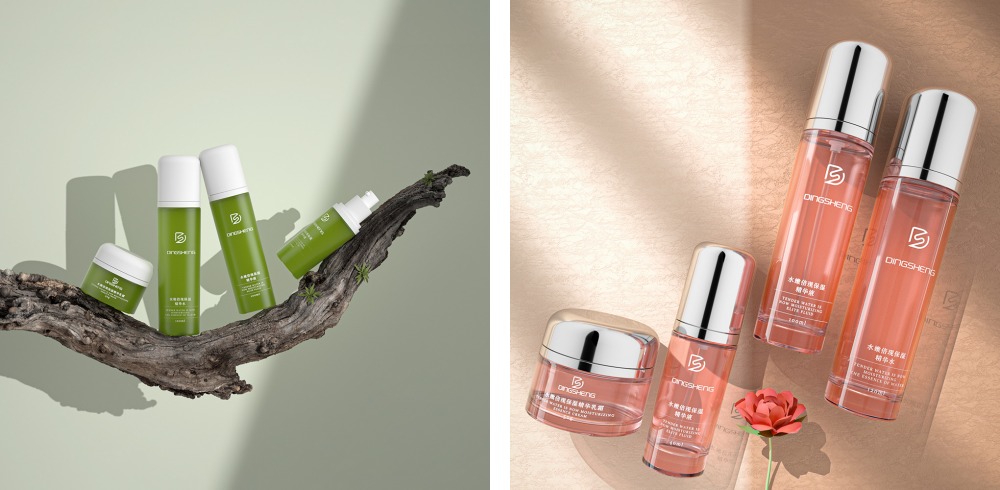
Glass toner bottles offer excellent protection for skincare formulas, but they present some durability challenges. Several factors can affect the longevity and safety of these bottles:
Metal caps may corrode when exposed to certain toner ingredients, which can weaken the seal and compromise product freshness.
Soda-lime glass, a common material, sometimes leaches sodium oxide into acidic formulas, reducing the potency of the toner.
Borosilicate glass provides greater stability and resists chemical reactions, helping to keep the toner fresh.
Soda-lime glass is more likely to crack when exposed to rapid temperature changes, while borosilicate glass remains resilient due to its low coefficient of thermal expansion.
The design of the bottle, especially the cap and neck, influences how well the bottle seals and how long it lasts.
Breakage remains a concern during shipping and daily use. Glass toner bottles have a breakage risk of about 2-3%. In contrast, plastic bottles, especially those made from PET, rarely break. This difference affects logistics, costs, and consumer safety.
Glass packaging weighs more than plastic, which impacts both shipping and everyday use. Heavier bottles increase shipping costs for brands and make products less convenient for consumers to carry. The fragility of glass also makes it less suitable for travel, as it can break more easily if dropped or mishandled. Higher production and shipping costs can influence the final price of the product.
To address these challenges, packaging designers and consumers have adopted several strategies:
Use of more stable glass types, such as borosilicate, to reduce chemical interaction and improve durability.
Engineering improvements, including stronger caps and reinforced necks, help prevent leaks and extend bottle life.
Protective packaging, such as custom boxes, partitions, and foam inserts, shields glass bottles during shipping.
Design features like frosted glass protect light-sensitive ingredients and enhance perceived value.
Thinner, tougher glass reduces weight, making bottles easier to carry and lowering shipping costs.
UV-protective glass extends product shelf life by blocking harmful rays.
Leak-proof caps and anti-drip features keep bottles clean and maintain serum integrity.
|
Design Feature |
Benefit |
Consumer Impact |
|---|---|---|
|
Frosted Glass |
Protects light-sensitive ingredients and enhances perceived value |
68% of luxury skincare buyers associate frosted glass with premium quality |
|
Thinner, Tougher Glass |
Reduces weight for portability and lowers shipping costs |
More convenient for travel and daily use |
|
UV-Protective Glass |
Blocks harmful UV rays, extending product shelf life |
Ensures product integrity and longevity |
|
Leak-Proof Caps |
Prevents leaks and contamination, maintaining serum integrity |
Reduces product spoilage by 45%, building consumer trust |
|
Anti-Drip Features |
Keeps the bottle clean and protects serum from degradation |
Enhances user experience by preventing mess and maintaining product quality |
Note: Consumers who value both product safety and sustainability often choose glass bottles with these advanced features, balancing the benefits of glass with practical needs.
Glass remains the top choice for Skincare Toner Bottles because it protects sensitive ingredients, supports sustainability, and enhances user experience. Studies show glass offers long-term recyclability and chemical stability, while consumers value its luxurious appeal and eco-friendly nature. Regulatory agencies recognize glass as chemically resistant, making it ideal for preserving product integrity. Although glass is heavier and more fragile, its benefits outweigh these challenges. When choosing skincare products, buyers should consider how packaging impacts both safety and the environment.
Glass does not react with skincare ingredients. It prevents contamination and keeps formulas stable. Users trust glass because it protects sensitive skin from exposure to harmful chemicals.
Glass bottles are highly recyclable. Most recycling centers accept glass. The material can be reused many times without losing quality. ♻️
Manufacturers often spend more on glass packaging. The higher cost comes from production and shipping. Consumers may pay a premium for glass bottles because they offer better protection and a luxury feel.
Users can store bottles in padded containers. They should avoid dropping bottles and handle them with care. Protective packaging helps reduce breakage during shipping.
Glass bottles extend the shelf life of toners. They block air and light, which keeps ingredients fresh. Colored glass offers extra protection for light-sensitive formulas.


Sitemap Blog Xml Privacy Policy
Copyright @2024 Dingsheng (Guangdong) Glass Technology Co.Ltd. All Rights Reserved.  Network Supported