How to Choose the Right Skincare Dropper Bottle for Your Brand
Apr 10, 2026
Selecting a skincare dropper bottle shapes how customers view a product’s quality and the company’s reputation. Many consumers notice packaging first; in fact, research shows that 66% try new items because the packaging stands out. High-quality materials such as glass often signal sophistication and reliability to shoppers. Choosing the right dropper bottle affects not only presentation but also performance and safety. Brands should reflect on their product’s needs and target audience when choosing dropper bottles for their skincare lines.
Key Takeaways
Choose glass for luxury skincare products. It signals quality and protects sensitive ingredients.
Consider amber glass for UV protection. It preserves the potency of light-sensitive ingredients.
Test packaging compatibility with formulas. This ensures safety and maintains product integrity.
Select the right dropper size for your product. Popular sizes include 15ml for targeted treatments and 30ml for daily use.
Incorporate child-resistant closures for safety. This prevents accidental access to harmful products.
Skincare Dropper Bottle Materials
Glass vs. Plastic
Brands often face a choice between glass and plastic when selecting material options for their skincare dropper bottle. Each material brings unique advantages and drawbacks that influence both product performance and brand perception.
Glass offers a premium look and feel. Many luxury skincare brands prefer glass because it signals quality and protects sensitive formulations. Glass does not react with active ingredients, which helps maintain product integrity. Over 70% of prestige skincare brands at higher price points use glass packaging to build trust with consumers. Glass is also 100% recyclable and does not absorb odors or flavors.
Plastic, on the other hand, appeals to mass-market brands due to its lightweight and durable nature. It is versatile and cost-effective, making it suitable for large-scale production. However, plastic can leach chemicals into the product and is not always recyclable. It also degrades during recycling and is non-biodegradable.
Tip: Brands targeting a luxury market should consider glass for its high-end appeal and chemical stability. Mass-market brands may choose plastic for its affordability and durability, but must weigh the risks of chemical leaching.
Amber Glass and UV Protection
Amber glass stands out among material options for its ability to protect sensitive skincare ingredients from harmful light. Studies show that UV exposure can degrade active ingredients like vitamin C and retinol by up to 60% within weeks. Amber glass blocks over 90% of UV rays, including both UVA and UVB, up to 450 nanometers. This protection helps preserve the potency and shelf life of light-sensitive products.
Many brands use amber glass dropper bottles for serums and oils that contain delicate actives. Amber glass does not require additional coatings to filter out damaging light, making it a reliable choice for maintaining product efficacy.
Amber glass provides superior UV protection.
It helps preserve the potency of light-sensitive ingredients.
It extends the shelf life of cosmetic products.
Material Compatibility and Safety
Material compatibility plays a critical role in the safety and effectiveness of dropper bottles. Chemical compatibility ensures that the packaging does not react with the skincare formula. Signs of poor compatibility include discoloration or changes in odor. Biological compatibility prevents harmful substances from migrating from the packaging into the product, which can pose health risks. Physical compatibility addresses issues like cracking or dissolution, which can compromise the bottle’s integrity.
Glass remains the preferred choice for most sensitive formulations because it is chemically inert and does not interact with active ingredients. Plastic may present risks such as leaching of plasticizers or other chemicals, especially with potent actives.
Note: Brands should always test their formulas with chosen packaging to confirm compatibility and ensure consumer safety.
Dropper Bottles Mechanisms
Standard and Bent Tip Droppers
Dropper bottles come with different tip designs that affect how users dispense skincare products. Standard tip droppers feature a straight end, making them suitable for most liquid dispensing needs. They work well for general applications, such as serums and facial oils. Bent tip droppers have an angled design. This shape allows users to reach product in hard-to-access areas, such as the bottom corners of small bottles. Brands often select bent tip droppers for products that require precise application or when packaging comes in compact containers. The choice between standard and bent tip droppers depends on the intended use and the level of control needed during application.
Child-Resistant and Orifice Reducers
Safety remains a top priority in skincare packaging. Child-resistant dropper mechanisms help prevent accidental access to potentially harmful products. These closures are designed to be difficult for children to open, reducing the risk of misuse. Many brands now use child-resistant caps, especially for products with hazardous ingredients. This trend has grown as younger generations show more interest in skincare. Orifice reducers also play a role in safety and user experience. They control the flow of liquid, preventing spills and allowing for precise dosing. Both features help ensure that dropper bottles meet safety standards and provide a secure experience for consumers.
Tip: Brands should consider child-resistant closures for any product that could pose a risk if ingested or misused.
Matching Mechanism to Product Type
Selecting the right dropper mechanism involves several important factors. Compatibility ensures the dropper fits the bottle and works with the product’s consistency. Material considerations affect durability and chemical resistance. Different product types, such as essential oils, serums, and pharmaceuticals, have unique dispensing needs. Essential oils often require droppers that allow for controlled flow rates, while cosmetics benefit from mechanisms that prevent overuse. Measured dosage droppers provide consistent dispensing, which is crucial for products that require accuracy. The type of thread and neck finish also affects how well the closure fits and maintains product integrity. Brands should always match the dropper mechanism to the specific requirements of their skincare formula to ensure safety, efficacy, and a positive user experience.
Choosing the Right Size
Best Sizes for Serums and Oils
Selecting the right size for glass dropper bottles for serums helps brands meet customer expectations and optimize product use. The most popular sizes for facial serums and oils include:
15ml bottles, which work well for concentrated treatments and targeted solutions.
30ml bottles, which serve as the standard for daily-use serums and oils.
Smaller bottles, such as 5ml or 10ml, which are ideal for samples, travel kits, or trial products.
Brands often choose 15ml bottles for products that require precise dosing, as users can control the amount applied with each use. The 30ml size remains a favorite for full-sized products because it balances value and convenience. Smaller sizes allow customers to test new formulas without committing to a larger purchase.
Tip: Offering multiple sizes can help brands reach different market segments, from first-time buyers to loyal customers seeking value.
Impact on Product Efficacy and Shelf Life
Bottle size plays a key role in maintaining product efficacy and extending shelf life. Glass dropper bottles provide an inert environment, which means they do not react with the skincare formula. This stability protects sensitive ingredients, such as vitamin C and retinol, from degradation. The airtight seal of a dropper bottle also limits air exposure, which helps preserve the potency of active ingredients over time.
Smaller bottles reduce the risk of contamination and ensure that users finish the product before it loses effectiveness. Larger bottles may offer better value but can expose the formula to air and light for longer periods, which may impact stability. Brands should consider the shelf life of their formulations when choosing dropper bottles, especially for products with delicate actives.
Cap and Closure Options
Leak Prevention and Security
Skincare brands must prioritize leak prevention when selecting cap and closure options for dropper bottles. Leaks can damage packaging, waste product, and reduce consumer satisfaction. Different closure types offer varying levels of protection. Screw caps create an airtight seal, making them highly effective for oils, serums, and powders. Caps provide versatility and cost efficiency, working well for toners, essences, and products with high viscosity. Droppers allow controlled dispensing, which is essential for liquids that require precise dosing.
Closure Type
Effectiveness in Preventing Leaks
Best Uses
Screw Caps
Airtight and secure
Oils, serums, and powders
Caps
Versatile and cost-efficient
Toners, essences, oils, and high-viscosity products
Droppers
Controlled dispensing
Liquids requiring precise dosing
Brands should test closure options with their formulas to ensure compatibility and prevent leaks during shipping and storage. Secure closures protect both the product and the brand’s reputation.
User Experience and Compliance
Cap and closure design impacts user experience and regulatory compliance. Easy-to-open caps improve accessibility for all users, including those with limited dexterity. Child-resistant closures add safety, especially for products with active ingredients. Brands must follow regulations that require specific closure types for certain formulations. Leak-proof designs reduce mess and make daily routines more convenient. Compliance with safety standards builds trust and supports consumer satisfaction. Brands that invest in secure and user-friendly closures demonstrate commitment to quality and safety.
Tip: Brands should consider both functionality and regulatory requirements when choosing cap and closure options.
Branding and Customization
Labeling and Decoration
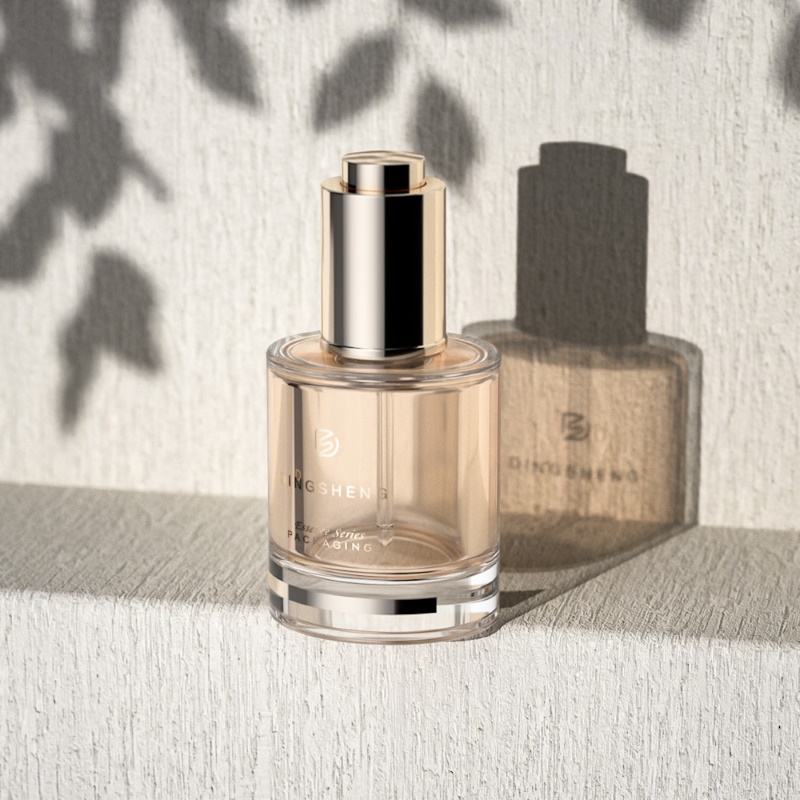
Luxury skincare brands often use labeling and decoration to set their products apart from competitors. They choose sustainable custom packaging, minimalist design, and limited-edition artwork to create a sense of exclusivity. Many brands use clean lines and neutral palettes for understated elegance. Some offer interactive packaging or special editions to engage consumers. Functional innovation, such as ergonomic shapes or airless dispensers, also enhances usability. Storytelling through design helps brands communicate their values, such as ethical sourcing or cultural influences. These strategies show that labeling and branding considerations play a major role in shaping consumer perception.
Color, Finish, and Unique Designs
Color and finish choices help brands reinforce their identity and attract target customers. Transparent bottles suggest honesty and purity, which appeals to natural skincare brands. Frosted finishes create a premium look and feel, often associated with luxury products. Opaque bottles protect light-sensitive formulas and give a clinical impression. Custom Pantone colors ensure consistency across product lines. Consumers prefer clean, modern designs with soft colors and simple shapes. Unique shapes and visual elements, such as custom labels, help products stand out on crowded shelves. Frosted glass not only looks sophisticated but also provides a tactile experience that signals quality packaging.
Aligning Packaging with Brand Identity
Brands must align packaging with their overall identity to build recognition and loyalty. Mass-market brands often use bold colors and practical designs to attract a wide audience. Luxury brands focus on subtle details, high-end materials, and unique customization and design options. These choices reflect the brand’s values and target market. Consistent use of color, finish, and decoration across all products strengthens brand recognition. Custom skincare dropper bottles, featuring special shapes or finishes, help consumers remember and trust the brand. When packaging matches the brand’s story and values, it creates a lasting impression.
Regulatory and Practical Considerations
Ingredient Compatibility
Ingredient compatibility stands at the core of safe and effective skincare packaging. Brands must ensure that the dropper bottle system forms a perfect seal at every connection point, including the bulb-to-cap, cap-to-bottle, and pipette-to-cap areas. Any flaw or mismatch in these seals can allow air to enter, which may compromise the product’s integrity. The ISO 22715 standards highlight the need for packaging materials with low chemical reactivity and require migration tests to confirm that no harmful substances transfer into the skincare formula. By prioritizing compatibility, brands protect both the formula and the end user.
Safety and Quality Assurance
Safety and quality assurance processes help brands deliver reliable products to consumers. Leading suppliers conduct several checks throughout production. These include raw material testing for purity, in-process inspections for defects, and final quality control for dimensional accuracy, strength, hygiene, and visual consistency. Compliance checks ensure that packaging meets global safety standards, such as FDA and EU REACH regulations. Brands must also follow regional labeling and packaging rules. For example, the EU requires details like the responsible person’s name, country of origin, and ingredient list, while the US mandates identity statements, net quantity, and warnings. These steps support customer safety and reinforce trust in the brand.
Supply Chain Reliability
Reliable supply chains play a vital role in the availability of custom dropper bottles. Consistent production schedules allow brands to launch and restock products on time. Trusted suppliers maintain certifications and quality controls, which are essential for brands focused on product integrity. Supply chain reliability also supports sustainability goals, such as reducing single-use packaging and promoting recyclable or refillable solutions. By working with dependable partners, brands ensure that quality packaging reaches the market efficiently and meets both regulatory and consumer expectations.
Common Mistakes with Best Dropper Bottles
Overlooking Material Compatibility
Many brands make the mistake of ignoring material compatibility when selecting the best dropper bottles. This oversight can cause chemical reactions between the formula and the packaging. Problems such as corrosion and micro-leaks may develop, leading to contamination of the skincare product. Brands that skip compatibility testing risk damaging both product safety and shelf life. They should always test packaging with their formulas to ensure the dropper bottles protect the product and maintain quality.
Overlooking compatibility can compromise packaging integrity.
Corrosion and micro-leaks may result in product contamination.
Compatibility testing is essential for safety.
Ignoring User Experience
Some brands focus only on aesthetics or cost and forget about the user experience. Neglecting this aspect can create usability issues. For example, older consumers may struggle to open bottles, and some designs require two hands to operate. These challenges can alienate certain groups and increase the risk of contamination. When customers find dropper bottles difficult to use, they may lose trust in the brand and look for alternatives. A positive user experience helps build loyalty and supports long-term sales.
Tip: Brands should test packaging with real users to identify and fix usability problems before launch.
Neglecting Branding
Branding plays a critical role in the success of skincare products. Brands that neglect branding in their packaging choices often see a drop in perceived value. Customers may not trust products that lack strong visual identity or clear messaging. Effective branding and packaging attract attention and signal quality. Without these elements, even the best dropper bottles may fail to stand out in a crowded market.
Diminished perceived value can hurt sales.
Lack of trust leads to fewer repeat purchases.
Strong branding helps products get noticed.
Missing Regulatory Requirements
Some brands overlook important regulatory requirements when choosing dropper bottles. Incorrect packaging can lead to leakage, oxidation, and waste, which damages product quality and customer satisfaction. Failing to meet safety standards may also result in recalls or legal issues. Brands must ensure their packaging complies with all relevant regulations to protect both consumers and their reputation.
Incorrect packaging can cause oxidation and contamination.
Non-compliance may lead to legal problems.
Meeting regulations supports brand credibility.
Choosing the best skincare dropper bottle involves careful consideration of material, dropper type, size, closure, branding, and supply chain. Brands benefit from consulting packaging experts who guide design and customization, helping products stand out. The right packaging improves product performance by allowing precise application and supports a strong brand image through unique design and functionality.
Proper selection enhances user experience and brand recognition.
Custom packaging attracts consumers and reflects brand values.
FAQ
What is the best material for skincare dropper bottles?
Glass remains the top choice for most skincare brands. It does not react with active ingredients and offers a premium look. Plastic works for mass-market products but may risk chemical leaching.
How do brands choose the right dropper size?
Brands select dropper sizes based on product type and usage. Serums and oils often use 15ml or 30ml bottles. Smaller sizes suit samples or travel kits. The right size helps maintain product freshness.
Why is amber glass popular for skincare packaging?
Amber glass blocks over 90% of UV rays. This protection helps preserve sensitive ingredients like vitamin C and retinol. Many brands use amber glass to extend shelf life and maintain product potency.
Are child-resistant dropper caps necessary?
Child-resistant caps add an extra layer of safety. Brands use them for products with active or potentially harmful ingredients. These caps help prevent accidental access by children.
Can dropper bottles be customized for branding?
Yes, brands can customize dropper bottles with unique colors, finishes, and labels. Customization helps products stand out and reinforces brand identity. Many luxury brands use special designs to attract attention.




 Network Supported